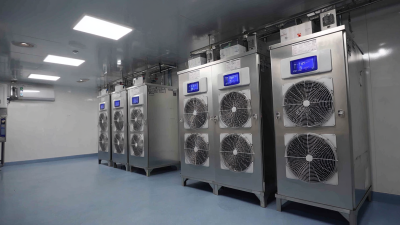
In today's fast-moving business world, staying efficient is more important than ever. That’s why a Walk-In Chiller can be a real game-changer for many companies. It offers some pretty big perks that can seriously boost how things run and help keep your products top-notch. For places like restaurants, grocery stores, and warehouses, keeping the right temperatures isn’t just a suggestion — it’s essential.
Having a Walk-In Chiller means you can keep perishable stuff fresh and ready to go. Its reliable refrigeration system helps prevent spoilage and cuts down on waste — nobody wants their hard-earned goods going bad, right? Plus, the extra space isn’t just for storage — it encourages better organization, which in turn makes everything run smoother. When your workspace is tidy and organized, everyone tends to be more productive, no surprise there.
That said, jumping into this kind of investment isn’t something to take lightly. Businesses really need to think about what their cooling needs are and how much space they have. Picking the wrong chiller can actually backfire — leading to inefficiencies and headaches down the line. So, understanding both the pros and cons is super important. By carefully evaluating these factors, companies can really improve their operations and set themselves up for long-term success.

Understanding Walk-In Chillers: An Overview for Businesses
Walk-in chillers are essential for many businesses, particularly in the food and beverage industry. These large refrigeration units provide ample space to store perishable products safely. They maintain optimal temperatures, ensuring freshness and quality. The ability to easily access ingredients enhances productivity and reduces time spent searching for items.
Understanding walk-in chillers involves recognizing their design and function. These units are built to withstand frequent opening and closing. However, they can be inefficient if not properly maintained. Regular checks are necessary to ensure effective performance. One common issue is condensation build-up, which can lead to mold. Additionally, businesses must consider the energy costs associated with these units. A well-insulated chiller can greatly reduce energy consumption.
It's vital for owners to choose the right size and configuration for their needs. Overloading a chiller can cause temperature fluctuations. On the other hand, an undersized unit may not suffice, resulting in spoiled goods. Awareness of these details can save businesses money and improve inventory management. While walk-in chillers are robust solutions, their effectiveness relies heavily on appropriate usage and maintenance.
Energy Efficiency: How Walk-In Chillers Save on Operating Costs
Walk-in chillers are gaining recognition for their energy efficiency. They play a crucial role in reducing operating costs for businesses. These units provide substantial cooling capacity while consuming less energy. This can lead to significant savings over time, especially for restaurants and warehouses.
The design of walk-in chillers enhances airflow and temperature regulation. Proper insulation and efficient compressors are vital for energy conservation. A well-maintained unit requires less power to operate, benefiting the environment. Businesses can lose savings if they ignore maintenance. Regular checks are necessary to ensure optimal performance.
Choosing energy-efficient models can further enhance savings. However, some units may seem expensive upfront. It's easy to overlook the long-term benefits. Investing in quality equipment often pays off in lower bills. It's important to research and understand what features maximize efficiency. This knowledge leads to informed choices and better investment in the future.
Enhanced Storage Capacity: Maximizing Your Refrigeration Space
When it comes to optimizing refrigeration in a business, enhanced storage capacity is crucial. Walk-in chillers provide a robust solution by maximizing vertical and horizontal space. According to industry reports, walk-in chillers can increase storage efficiency by up to 50%. This added capacity means you can store more products without changing your floor plan.
Investing in a walk-in chiller can greatly improve inventory management. These units often come with adjustable shelves and compartments. This flexibility allows businesses to organize items logically, improving accessibility. Reduced time spent searching for goods can lead to increased productivity. A study showed that better organization could boost efficiency by about 30%.
**Tip:** Regularly evaluate your storage needs. Changes in inventory can impact how much space you require.
There can be challenges too. Initial costs for walk-in chillers can be high, but the return on investment through efficiency gains can be substantial. Additionally, improper installation can lead to operational issues, which may affect temperature control.
**Tip:** Always consult with professionals for installation and maintenance. Proper setup and care will maximize your chilling system’s lifespan.
Temperature Consistency: The Importance of Controlled Environments
Temperature consistency is crucial for businesses that require precise climate control. In various industries, maintaining a stable temperature ensures product quality and safety. For instance, restaurants need to keep ingredients fresh. A walk-in chiller provides an ideal solution.
Inconsistent temperatures can lead to spoilage. Imagine a restaurant experiencing fluctuating fridge temperatures. This can ruin perishable goods. Staff must constantly monitor conditions, which is time-consuming. By using a walk-in chiller, businesses can maintain the desired environment more efficiently.
Quality control is paramount. A walk-in chiller minimizes human error and provides reliable storage. These units can maintain steady temperatures, ensuring products remain usable for longer. Reliable climate control helps businesses save money on wasted inventory. Over time, the efficiency of temperature regulation can lead to better operational costs and enhanced customer satisfaction.
Top 10 Benefits of Using a Walk In Chiller for Your Business
| Benefit |
Description |
Impact on Business |
| Temperature Consistency |
Maintains a stable temperature to preserve food quality. |
Enhances product shelf life and reduces waste. |
| Energy Efficiency |
Designed to consume less energy while operating. |
Lowers utility bills and operational costs. |
| Space Optimization |
Offers customizable sizes to fit various business needs. |
Maximizes storage space in kitchens and storage areas. |
| Improved Food Safety |
Ensures adherence to food safety regulations. |
Reduces risk of foodborne illnesses and liability. |
| Easy Accessibility |
Allows quick access to stored items with large doors. |
Improves workflow and saves time for employees. |
| Durability |
Constructed with high-quality materials for longevity. |
Reduces maintenance costs and the need for replacements. |
| Versatile Use |
Suitable for various industries including food service and pharmaceuticals. |
Expands business opportunities across different sectors. |
| Enhanced Work Environment |
Keeps food storage areas cool and manageable for staff. |
Boosts employee morale and productivity. |
| Cost-Effectiveness |
Investing in a walk-in chiller can lead to long-term savings. |
Overall lower cost of operations and inventory management. |
| Customization Options |
Available in various configurations and features to suit unique needs. |
Facilitates tailored solutions for specific business requirements. |
Improved Food Safety: Maintaining Quality and Reducing Waste
Using a walk-in chiller can significantly improve food safety for businesses in the food industry. According to the USDA, nearly 31% of the food supply in the U.S. is wasted annually. This waste often stems from improper food storage, which can lead to spoilage and foodborne illnesses. Walk-in chillers provide a controlled environment that maintains optimal temperatures. Keeping perishable items at the right temperature minimizes the risk of bacterial growth, ensuring safer consumption.
It’s crucial to monitor temperatures consistently. Temperature fluctuations can jeopardize food quality. Installing digital thermometers in your walk-in chiller is one way to enhance safety. According to Food Safety & Inspection Service guidelines, food should be stored at or below 40°F (4°C) to inhibit bacteria. An efficient walk-in chiller also allows for better organization. With adequate shelving, items can be easily accessed, reducing the time food is out of safe temperatures.
Consider regular maintenance for your walk-in chiller. Neglecting this can lead to inefficiencies, impacting both safety and the bottom line. Data from the Food Waste Reduction Toolkit suggests that a well-maintained system can reduce food waste by up to 20%. Always ensure proper sealing and insulation to maintain cold air. Training staff on food safety practices is just as important. A small investment in staff education can yield significant results in food safety and waste reduction.
Versatility in Usage: Applications for Various Industries
Walk-in chillers are crucial for various industries, offering significant versatility in their applications. These refrigerated units maintain a consistent temperature, ideal for preserving perishable products. In the food service industry, around 60% of food waste is due to improper storage. A reliable walk-in chiller can drastically reduce this waste, ensuring freshness while saving costs.
The healthcare sector also benefits significantly from these chillers. They store vital pharmaceuticals and vaccines requiring strict temperature controls. According to a report by the World Health Organization, maintaining proper storage conditions can improve vaccine efficacy by up to 95%. This highlights the critical role of walk-in chillers in safeguarding public health.
In retail, these chillers enhance customer experience by allowing constant access to fresh products. The National Association of Convenience Stores states that fresh food sections can drive up to 30% of total sales. However, investing in a high-quality walk-in chiller requires reflection on energy costs and maintenance needs. Balancing efficiency and reliability in your chiller choice is essential for long-term business success.
Easier Access and Organization: Streamlining Your Storage Solutions
A walk-in chiller transforms storage efficiency for businesses. With ample space, it allows for better organization of products. Items can be grouped by type, making access quicker and easier. Employees can locate ingredients without fumbling through cluttered shelves. This reduces time spent searching and enhances productivity.
The design of walk-in chillers supports optimal workflow. Wider aisles enable staff to move carts and equipment freely. This ensures that accessing inventory is a smooth and safe task. However, initial setup can require careful planning. Space allocation is critical for maximizing utility. Moreover, regular maintenance might be daunting for some. Ensuring the system functions properly is vital for keeping products fresh.
Organized storage leads to less waste. Knowing exactly what’s available prevents over-ordering. Businesses can make informed decisions based on visible inventory. Yet, balancing organization and available space can be challenging. A walk-in chiller is not just about refrigeration; it’s about structured efficiency. Consider the layout carefully to avoid pitfalls.
Innovative Solutions for Efficient Cooling: Exploring China's Evaporative Condenser and Chiller Technology
Evaporative condensers play a crucial role in the realm of industrial refrigeration, offering innovative solutions for efficient cooling. This technology utilizes the phase change of a working medium to effectively dissipate heat from industrial systems. Unlike traditional cooling towers, evaporative condensers can be distinguished by their flow configurations, which include countercurrent flow and mixed flow. These variations optimize the interaction between air and spray water, enhancing the cooling process and ensuring reliable thermal regulation even in demanding environments.
The development of evaporative condensers aligns with the pursuit of energy efficiency and sustainable practices in industrial operations. By harnessing the natural cooling capabilities of water evaporation, these systems reduce energy consumption while maintaining optimal cooling performance. This is particularly significant in sectors where consistent temperature control is essential, such as in food processing and chemical manufacturing. These innovative solutions are paving the way for more environmentally friendly cooling technologies, positioning industries to meet both operational demands and sustainability goals.
FAQS
: It ensures product quality and safety, especially for perishable goods.
It maintains ideal temperatures, keeping ingredients fresh and safe.
Inconsistency can cause spoilage and waste, impacting revenue and quality.
It provides ample space, allowing products to be grouped for easier access.
Careful planning for space allocation is crucial for its efficiency.
It reduces waste by helping businesses keep track of what they have.
Regular maintenance can be daunting but is essential for optimal function.
Efficiency in temperature control can lead to savings on wasted inventory.
The layout must be planned to balance organization and available space.
Fumbling through cluttered shelves wastes time and decreases productivity.
Conclusion
Walk In Chillers offer numerous benefits that can significantly enhance business operations, especially in industries reliant on proper refrigeration. These units provide energy efficiency, helping to reduce operating costs while maximizing storage capacity. With a focus on temperature consistency, Walk In Chillers ensure that perishable products are kept in controlled environments, which is crucial for maintaining food safety and reducing waste.
Additionally, the versatility of Walk In Chillers allows for application across various industries, making them a valuable asset for businesses looking to improve their storage solutions. The design of these chillers also facilitates easier access and organization, optimizing the use of available space. Overall, investing in a Walk In Chiller can lead to operational improvements and heightened product quality, making it an essential consideration for any business that requires reliable refrigeration.