
Wow, 2026 has really brought some big changes in how technology impacts different industries. One thing that’s been gaining quite a bit of attention is the rise of cold rooms. These specialized spaces are actually pretty essential when it comes to keeping perishable stuff fresh—think about the food guys and pharma companies. They do a great job at preventing spoilage and making sure products stay good longer.
If you start digging into the advantages of cold rooms, you'll see how much they boost business efficiency. Companies like FreshTech and PharmaCool swear by cold storage because it helps keep everything at just the right temperature, which is key for safety and quality. But, honestly, the upfront costs can be pretty intimidating—especially for smaller businesses, it might feel like a bit of a hurdle.
Even with those initial expenses, though, most folks agree that the long-term benefits are worth it. Cold rooms can actually save money over time and are also better for sustainability. All in all, when you're weighing the pros and cons, it’s good to see both sides. That way, businesses can make smarter choices about whether cold storage is right for them—or not.

Benefits of Cold Rooms in Preserving Perishable Goods in 2026
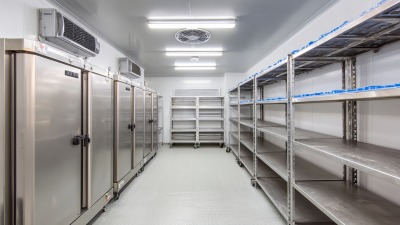
Cold rooms have become increasingly essential for preserving perishable goods in 2026. These temperature-controlled spaces help maintain the freshness of fruits, vegetables, and dairy products. With rising global temperatures, effective cooling solutions are critical. Cold rooms reduce spoilage and extend shelf life, contributing to less food waste.
In addition to preserving quality, cold rooms offer economic benefits. Businesses can store large quantities of perishable items, allowing for bulk purchasing. This practice decreases costs over time. However, operating a cold room can be energy-intensive. Some facilities struggle with high utility bills. Upgrading insulation or investing in energy-efficient technology could yield improvements.
Moreover, maintaining optimal conditions is not always straightforward. Staff training is vital to manage temperature and humidity effectively. Mistakes can lead to loss of inventory. Regular audits may identify areas for improvement. Investing in technology for real-time monitoring can help mitigate risks. This continuous reflection on processes is crucial for success in the future.

Market Trends and Innovations in Cold Room Refrigeration: Analyzing the Growth of Freezer Monoblock Condensing Units
The market for cold room refrigeration, particularly in the realm of freezer monoblock condensing units, is witnessing substantial growth. As businesses seek efficient solutions for small cold storage facilities—be it for vegetables, fruits, meat, or seafood—the demand for monoblock condensing chillers has surged. According to industry reports, the global market for cold chain solutions is projected to expand significantly, driven by the increasing need for temperature-controlled environments in the food supply chain and pharmaceuticals.
Monoblock condensing units are gaining popularity due to their compact design and straightforward installation process, making them ideal for small-scale operations. These systems typically range from 1 to 10 horsepower, offering varying cooling capacities to cater to diverse storage requirements. As users demand higher efficiency, modern units are equipped with advanced compressors that deliver high cooling capacity, operate quietly, and feature impressive durability. This trend towards innovation is underscored by data suggesting that energy-efficient and low-noise systems can lead to reduced operating costs and enhanced user satisfaction.
The competitive landscape also highlights the importance of excellent after-sales service, which can significantly impact customer loyalty in this sector. As companies prioritize maintaining ideal storage conditions amidst fluctuating temperatures, the evolution of monoblock condensing units is set to play a crucial role in shaping the future of cold room refrigeration. The emphasis on innovation and market adaptability positions these systems as the best choice for small cold storage facilities.

FAQS
: The product aims to enhance daily life. It simplifies tasks and offers convenience.
Users may notice changes within weeks. However, results can vary significantly by individual.
Yes, daily use is encouraged. It helps maintain consistency for better outcomes.
Some users report mild reactions. If you experience discomfort, consider reducing usage.
It’s not for everyone. Individual circumstances and needs vary greatly.
Keep it in a cool, dry place. Exposure to moisture may decrease its effectiveness.
Missing a day is okay. Just resume your routine as planned, but consistency matters.
Mixing may be beneficial, but results differ. Be cautious and observe how your body reacts.
If results are lacking, reflect on your routine. Adjusting usage habits may help improve outcomes.
The product typically has suggested guidelines. However, personal needs may lead to different amounts.
Conclusion
The article "What are the Benefits of Using Cold Rooms in 2026?" explores the numerous advantages of implementing cold rooms for the storage of perishable goods. In 2026, cold rooms are poised to enhance energy efficiency significantly, leading to reduced consumption compared to traditional refrigeration methods. These systems also extend product shelf life through data-driven insights, ensuring that food safety standards are met and maintained, which is crucial for compliance.
Moreover, the financial analysis indicates that cold rooms can lead to substantial cost savings while also integrating advanced technologies such as IoT and automation for improved management. Additionally, cold rooms play a pivotal role in optimizing the supply chain, allowing for better inventory management and enhanced distribution methods. Overall, the strategic use of cold rooms not only benefits storage practices but also contributes to more sustainable operations in the food industry.
Related Posts
-

2025's Top 10 Cold Rooms for Ultimate Storage Solutions: Innovative Features and Designs
-
7 Essential Tips for Maximizing Efficiency in Your Freezer Cold Room
-

10 Essential Tips for Setting Up Effective Coldrooms in Your Business
-

Exploring the Impact of Coldrooms on Food Safety: Essential Insights for the Hospitality Industry
-

What is a Freezer Room and How Does it Work?
-

Exploring the Science Behind Cold Rooms: How Temperature Control Revolutionizes Storage Efficiency
