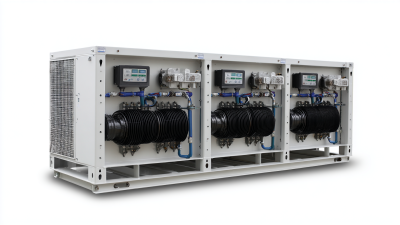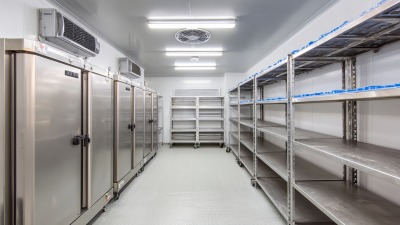
When it comes to industries that are super picky about temperature, Cold Rooms really come in clutch. John Smith, from CoolTech Solutions, puts it simply: "Getting the right Cold Room can seriously make or break the quality of your products." These spaces are basically built to keep temps just right, helping preserve everything from perishable foods to delicate materials.
But, honestly, not all Cold Rooms are created equal. A lot of folks miss out on key features that could boost efficiency—things like insulation quality, the type of doors used, or good temperature monitoring systems. Skipping over these details can end up wasting energy or even ruining products.
Picking out the perfect Cold Room isn’t just about size or cost—it’s about really thinking through your needs. Things like layout and cooling tech need to match what you’re trying to do. Sometimes, businesses go for the cheapest option and end up regretting it later. At the end of the day, investing in a good Cold Room pays off big time in keeping products fresh and running your operation smoothly.
Cold rooms serve an essential role in various industries. They help maintain specific temperature ranges for perishables. This is crucial for food, pharmaceuticals, and certain chemicals. The right temperature control can extend shelf life. It also ensures product safety and quality.
To optimize temperature control, consider these tips: regularly check temperature readings. Use calibrated thermometers for accuracy. Make sure seals on doors are tight. This prevents unwanted temperature fluctuations. Proper insulation is key. It minimizes external influences. Cold rooms should be regularly maintained to avoid breakdowns.
Understanding the significance of cold rooms helps in planning logistics better. Ignoring their importance can lead to spoilage and loss. Cold rooms must also comply with health regulations. Failure to do so may result in serious repercussions. Consider periodic audits for compliance and efficiency.
When considering the ideal cold room for temperature control, key features play a crucial role. A well-designed cold room should maintain a consistent temperature range, typically between 1°C and 4°C for food storage. According to industry studies, fluctuations can lead to spoilage. In fact, even a 2°C increase in temperature can accelerate microbial growth. This underlines the importance of precise temperature regulation.
Moreover, insulation is vital. High-quality insulation materials can reduce energy costs by up to 30%. Effective insulation not only helps in maintaining the temperature but also lessens the load on cooling systems. Adequate air circulation is another critical aspect. Poor ventilation can create cold spots, leading to uneven temperatures. In some cases, this has resulted in organizations facing quality control issues.
Monitoring equipment should not be overlooked. Advanced sensors can provide real-time data on temperature and humidity levels. Reports suggest that facilities without proper monitoring face a 20% loss in product quality. Investing in reliable monitoring can improve efficiency and ensure compliance with safety standards. Designing a cold room may seem straightforward, yet the details matter significantly. Continuous evaluation of these features is essential for optimal performance.
| Key Feature | Description | Optimal Temperature Range (°C) | Capacity (Cubic Meters) | Energy Efficiency Rating |
|---|---|---|---|---|
| Insulation Material | High-density polyurethane foam for superior thermal performance. | -18 to 5 | 15 | A++ |
| Temperature Control System | Digital thermostat with precise temperature control and monitoring. | -20 to 0 | 20 | A+ |
| Refrigeration System | Reliable compressor and evaporator systems for consistent cooling. | -15 to 2 | 25 | A |
| Lighting | LED lighting for energy efficiency and enhanced visibility. | N/A | 30 | A++ |
| Door Type | Sliding or hinged doors with airtight seals to prevent thermal loss. | -10 to 4 | 12 | B |
Walk-in cold rooms are ideal for larger storage needs. These spacious areas allow easy entry and exit for handling big quantities of products. Restaurants, grocery stores, and warehouses often use them. They provide ample space, but can be costly. If space is limited, a reach-in cold room may be a better fit. These units are sized for smaller areas and are perfect for quick access to food items. They are more affordable, yet still effective in temperature control.
Modular cold rooms offer flexibility and customization. They can be built to specific dimensions. This option allows businesses to design their cooling space. However, installation can be complicated. Another consideration is the initial investment, which may be significant. The choice between these types depends on your needs. Reflecting on the space you have and the products you store is crucial. Understanding your requirements will help you make the right decision.
Temperature control is crucial for cold rooms. Effective systems maintain the required climate for perishable goods. Reports indicate, globally, 32% of food is wasted due to improper temperature management. Precision in temperature regulation can reduce this waste significantly.
Advanced technologies play a key role. Sensors that monitor temperature fluctuations are essential. Many systems now use IoT devices, providing real-time data. This allows for quick adjustments, ensuring optimal conditions. However, there are limitations. Not all facilities can implement high-tech solutions.
Furthermore, staff training is often overlooked. Even the best technology won't work if users lack knowledge. A study found that 75% of cold storage issues stem from human error. Regular training sessions are vital for maintaining standards. Investing in both technology and education yields the best results.
Maintaining optimal conditions in cold rooms is crucial for various industries, including food storage and pharmaceuticals. A study from the International Institute of Refrigeration indicates that maintaining temperature within specified limits reduces spoilage rates by up to 30%. To achieve this, ensure the cold room is properly insulated. Any gaps can lead to fluctuating temperatures, negatively impacting stored items.
Regular monitoring is essential. Utilize temperature data loggers to keep track of conditions throughout the day. Many operations find that even a slight deviation of 1-2°C can significantly affect product quality. It’s not uncommon for cold room operators to overlook these details, which can lead to costly losses in inventory. Staff training is also vital. Employees must understand the importance of keeping the doors closed and monitoring equipment regularly.
Cleaning and organizing the cold room is another best practice that is often neglected. A cluttered space can hinder air circulation, leading to uneven cooling. The Food and Drug Administration has documented that improper storage practices can lead to temperature irregularities, endangering sensitive products. Regular inspection schedules can help maintain compliance and overall efficiency. Simple tasks can make a big difference.
When selecting a cold room, several key factors come into play. Temperature control is paramount. Data shows that a temperature variance of 1°C can significantly affect product quality. Precision matters. Most cold storage facilities maintain temperatures between -20°C to +4°C to preserve freshness. Think about how each degree impacts your inventory.
Humidity levels also play a crucial role. Maintaining appropriate humidity is vital for product preservation. Reports suggest that an ideal humidity level ranges from 50% to 70% for most perishables. Extreme humidity can lead to mold, while too low levels dry out products. This balance is not always easy to achieve.
Space utilization can sometimes be overlooked. A well-organized cold room enhances operational efficiency. Inefficient layouts waste time and resources. Consider the types of shelving and packaging used. Are they suitable for your specific products? The design must maximize airflow while minimizing clutter. Each decision shapes the room's functionality, and it's worth reflecting on.
Cold rooms play a vital role in numerous industries. They ensure that perishable goods remain fresh and safe for consumption. In the food industry, restaurants and grocery stores rely on these spaces to store meat, dairy, and fruits. The right temperature is crucial. Even a slight fluctuation can ruin products and impact business.
Pharmaceutical companies also depend heavily on cold rooms. Medications and vaccines often require strict temperature control. Improper storage can compromise their effectiveness, putting lives at risk. Some facilities may struggle with maintaining consistent temperatures due to equipment failures or poor planning.
Beyond food and pharmaceuticals, cold rooms are essential for laboratories. They help preserve samples and research materials. However, challenges like power outages can disrupt operations. It's vital for users to have backup plans in place. Overall, the significance of cold rooms cannot be understated. They safeguard quality across various sectors, yet they require constant monitoring and adjustment.
This chart illustrates the optimal temperature control settings for various applications of cold rooms across different industries. Proper temperature regulation is crucial for ensuring product quality and safety in sectors such as food storage, pharmaceuticals, and floral preservation.
: They aim to inform readers about specific topics in a clear way.
Each article has clear sections that address key points directly and simply.
Yes, each article includes actionable advice readers can apply to real situations.
Some articles feature images or charts to illustrate concepts.
It’s important to reflect on the information and consider alternative viewpoints.
Updates occur regularly, but not every article receives immediate attention.
Most articles cater to beginners, but some may require prior knowledge.
Some articles may discuss sensitive subjects, encouraging thoughtful discussion.
Readers are encouraged to share feedback or opinions, fostering dialogue.
It’s okay to take breaks and revisit challenging sections later.
Cold rooms are specialized storage areas designed to maintain low temperatures for preserving perishable goods and sensitive materials across various industries. They play a crucial role in safeguarding product quality, making an understanding of their purpose and importance essential. An ideal cold room should incorporate key features such as effective insulation, reliable temperature control systems, and adequate space for accessibility. Various types of cold rooms, including walk-in, reach-in, and modular options, cater to diverse storage needs.
To ensure optimal temperature control, cold rooms utilize advanced technologies and require adherence to best practices for maintenance, including regular temperature monitoring and proper organization of stored items. When selecting a cold room, factors such as size, energy efficiency, and specific application requirements should be carefully considered. Ultimately, cold rooms are vital in industries such as food service, pharmaceuticals, and healthcare, ensuring that products are stored under conditions that preserve their integrity and safety.