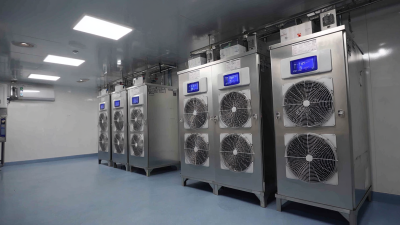
When it comes to refrigeration, picking a reliable condenser is a big deal if you're aiming for good efficiency. Honestly, a lot of buyers worldwide struggle a bit to find the perfect fit. There are so many things to think about—like how much cooling power you need, and how much energy it will gulp down. Going for a high-quality condenser can really make a difference in how well your whole refrigeration system works.
Now, contrary to what some folks think, not all condensers are made equal. Some brands might brag about fancy features, but that doesn’t always mean they’re reliable. It’s really important to look into the manufacturer’s reputation and experience. Big names like Carrier and Copeland have built trust over the years because they’ve proven themselves. But, hey, don’t sleep on newer companies — they might just surprise you with their options too.
Understanding the different types of refrigeration condensers out there is pretty crucial. You’ve got air-cooled, water-cooled, evaporative ones — each designed for different situations. If you rush your decision or don’t do your homework, you might end up with poor cooling or higher energy bills than you’d like. So, taking the time to research before buying is totally worth it. Also, don’t forget to consider how well the system will fit into what you already have — installation needs matter more than you think. A little extra effort upfront can save you a ton of trouble and money down the road.
Refrigeration condensers play a crucial role in cooling systems. They are essential for transferring heat from the refrigerant to the outside air or water. Various types of condensers include air-cooled, water-cooled, and evaporative condensers. Each type has specific functions and ideal applications.
Air-cooled condensers are common in small systems. They use fans to draw air over coils, facilitating heat exchange. Water-cooled condensers require a water source and are often used in larger systems. They can be more efficient than air-cooled models but require more maintenance. Understanding the differences helps buyers choose the right condenser for their needs.
Evaluating energy efficiency and installation costs is key. Some may overlook maintenance needs and long-term expenses, focusing solely on initial costs. It's essential not to rush this decision. An informed choice can enhance system performance and reduce operational costs over time. Each type has its pros and cons, requiring careful consideration.
When selecting a refrigeration condenser, several key factors emerge. Efficiency is paramount. According to industry data, a highly efficient condenser can reduce energy consumption by up to 30%. This translates into significant cost savings, particularly for businesses operating on a large scale. Whether for commercial or industrial use, understanding the efficiency ratings can guide buyers towards sustainable choices.
Another factor to consider is the condenser's capacity. The right capacity ensures optimal cooling performance. Oversized or undersized condensers can lead to increased wear and tear. A study by the International Institute of Refrigeration highlighted that improperly sized units can decrease lifespan by nearly 15%. Evaluating the specific cooling needs and environmental conditions is essential.
Furthermore, material selection impacts durability and maintenance. Copper and aluminum are common materials, each with its unique benefits. However, the choice can affect the cost and longevity of the unit. A report from the Air-Conditioning, Heating, and Refrigeration Institute indicates that improper material choices can lead to corrosion and costly repairs. Buyers should weigh the long-term implications of their selections carefully.
When shopping for refrigeration condensers, understanding the variety is crucial. Buyers face numerous options that vary in efficiency, durability, and noise levels. Some models excel in cooling performance but may lack energy efficiency, which can lead to higher operational costs. It's essential to weigh these factors, as an ideal condenser should balance performance and energy usage effectively.
Brand reputation often correlates with quality, yet not every newcomer is unreliable. Some lesser-known brands bring innovative designs that challenge established players. However, choosing the right model requires careful consideration. For instance, a condenser with a high SEER rating may promise better efficiency but could be more costly upfront. Buyers should analyze their specific needs against potential benefits.
Detailed reviews highlight real-user experiences with various models. Common complaints include noise and maintenance challenges. It’s beneficial to read both positive and negative feedback. This approach reveals possible shortcomings, guiding buyers towards making informed decisions. Emphasizing real-world performance data can often shine a light on hidden issues that specs alone won’t disclose. Evaluating these factors helps in selecting a suitable refrigeration condenser that truly meets one's requirements.
Energy efficiency is a crucial factor when selecting refrigeration condensers. Buyers need to understand the implications of energy consumption. High-efficiency models can reduce electricity bills and carbon footprints. Lower energy usage translates into significant savings over time.
Consider the environmental impact of refrigeration systems. Efficient condensers minimize greenhouse gas emissions. They play an essential role in sustainable refrigeration solutions. However, achieving optimal efficiency often requires a balance. Not all condensers perform equally in different conditions.
Buyers should assess their specific needs. Climate, application, and load conditions matter. An efficient condenser in one scenario may fail in another. It's vital to research and gather data before making a decision. Reflecting on these factors can lead to a more informed choice.
The global refrigeration condenser market shows a dynamic landscape. According to a recent report, the market size is expected to reach around $10 billion by 2025. This growth reflects the increasing demand for energy-efficient systems. Emerging economies are rapidly industrializing, which drives the need for advanced cooling solutions.
In North America, the push for sustainability is influencing trends. Industry players are focusing on eco-friendly condenser designs. Data indicate a shift towards natural refrigerants. This change not only meets regulatory standards but also enhances operational efficiency. Approximately 30% of new installations prioritize these green technologies.
In Asia-Pacific, factors like population growth and urbanization are significant. The rise in the food and beverage sector amplifies the demand for reliable refrigeration. However, challenges remain. Supply chain disruptions have impacted availability. Price fluctuations also create uncertainty for buyers. Understanding these nuances is crucial for making informed decisions in the market.
This chart illustrates the market demand for refrigeration condensers across various global regions in 2023. North America leads with a demand of 250 million USD, followed by Europe at 400 million USD, and Asia Pacific significantly higher at 600 million USD. Latin America and the Middle East & Africa show comparatively lower demand, reflecting the diverse market dynamics in the global refrigeration sector.
When selecting a refrigeration condenser, understanding technical specifications and performance ratings is crucial. Key factors include cooling capacity, energy efficiency ratio (EER), and refrigerant compatibility. According to the International Institute of Refrigeration (IIR), a condenser with a high EER can reduce energy costs and enhance overall system reliability. Regularly checking these ratings is essential, as even minor changes in performance can impact efficiency metrics.
Consider the design type as well. Air-cooled and water-cooled condensers each serve unique applications. The ASHRAE Handbook emphasizes that water-cooled systems often achieve better heat exchange efficiency. However, installation costs can be higher. Ensure proper maintenance protocols are in place to extend lifespan.
Tips: Regularly monitor performance metrics to catch issues early. This practice can prevent costly breakdowns. Always evaluate noise levels, especially in residential installations. A quieter unit can improve the environment for users. Conducting field tests after installation may reveal discrepancies in expected performance versus actual results. These insights are vital for optimizing choices and ensuring long-term satisfaction.
When sourcing refrigeration condensers, global buyers should consider several key factors to make informed decisions. Recent industry reports indicate that the global refrigeration market is expected to grow at a CAGR of 6.2% from 2021 to 2028. This growth emphasizes the need for efficient and reliable condensers. Understanding the types of condensers available—air-cooled, water-cooled, and evaporative—can help buyers match their needs with the right product.
Tips for sourcing include evaluating energy efficiency ratings. Look for models with a high Coefficient of Performance (COP). This ensures lower operational costs and better environmental impact. Additionally, consider the manufacturer's reputation and service support availability. Collaborating with suppliers who provide comprehensive warranty options can also mitigate risks.
Another important aspect is assessing compliance with international standards, such as ASHRAE and ISO. Such certifications not only ensure safety but also enhance reliability. International suppliers may have differing compliance measures, so conducting due diligence is crucial. Accepting inconsistencies in manufacturing quality may lead to performance issues down the line. Prioritize suppliers who maintain consistent quality checks to avoid these pitfalls.
Evaporative condensers play a crucial role in maximizing efficiency and sustainability within modern refrigeration systems. Unlike traditional cooling towers, evaporative condensers operate by utilizing the phase change of the working medium. They come in two primary flow types: countercurrent flow and mixed flow, which allows for enhanced cooling performance and energy efficiency. The design of these condensers enables them to utilize ambient air and sprayed water to facilitate heat exchange, significantly improving energy consumption when compared to conventional refrigeration solutions.
The sustainable aspect of evaporative condensers is particularly noteworthy. By efficiently transforming heat through evaporation, they minimize the energy requirement for refrigeration processes, thereby reducing the overall carbon footprint. Additionally, their ability to leverage natural resources contributes to a greener process, aligning with global efforts towards environmental preservation. As industries continue to seek methods to enhance performance while reducing impact on the planet, evaporative condensers emerge as a leading technology, seamlessly integrating efficiency with sustainability in industrial refrigeration applications.
: They transfer heat from the refrigerant to the outside air or water.
The common types are air-cooled, water-cooled, and evaporative condensers.
They use fans to draw air over coils, enabling heat exchange efficiently.
They require a water source and more maintenance compared to air-cooled models.
A highly efficient condenser can cut energy consumption by up to 30%, saving costs.
An incorrect size can increase wear, decreasing the lifespan by nearly 15%.
Copper and aluminum affect durability and maintenance needs, influencing overall cost.
It's crucial to evaluate both initial costs and long-term operational expenses.
Yes, neglecting maintenance can lead to increased expenses and equipment failures.
Assess environmental conditions and applications to choose the right condenser type.
The article "Find the Best Refrigeration Condenser for Global Buyers" provides a comprehensive overview of refrigeration condensers, detailing their various types and functions. It emphasizes the key factors that buyers should consider when selecting the right condenser, including energy efficiency, technical specifications, and performance ratings. The discussion also includes an analysis of current global market trends in the supply and demand for refrigeration condensers, helping buyers understand the economic landscape.
Furthermore, the article offers practical tips for sourcing refrigeration condensers, ensuring that global buyers are equipped with the necessary knowledge to make informed decisions. By comparing different models and brands, the content guides readers through the complexities of choosing a high-performance refrigeration condenser that meets their specific needs while keeping sustainability in mind.