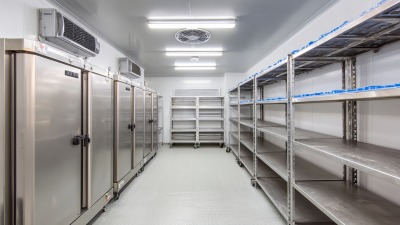
Nowadays, when it comes to keeping products fresh and safe, understanding what a Chilled Room actually is becomes pretty important. Think of it as a high-tech cooler designed to keep things at just the right temperature. You’ll find these setups especially useful in industries like pharma or food processing—places where even a tiny temperature slip-up can affect quality and safety.
These rooms work thanks to advanced refrigeration systems that do the heavy lifting—cooling the air down to prevent spoilage and help products last longer. Everything from insulation to how the air flows inside is carefully planned out to make sure everything stays just right. Companies like EcoTemp Solutions are big players in this space, offering these specialized environments that focus on regardless of efficiency or dependability.
But, let's be honest, using Chilled Rooms isn’t all smooth sailing. They can burn a lot of energy, and maintaining them isn’t exactly a walk in the park—you usually need experts to keep them running smoothly. Decision-makers often have to think about whether the costs are worth the benefits. Plus, with the world pushing for greener solutions, improving how these rooms work without sacrificing the environment is more important than ever. Finding that balance between being efficient and eco-friendly is definitely something we need to keep thinking about—and improving upon.

What is a Chilled Room: Definition and Conceptual Overview
A chilled room is a specialized space designed to maintain specific low temperatures for various applications. Its primary function is to keep sensitive items, such as pharmaceuticals or perishable goods, safe from spoilage. The concept revolves around the precise control of temperature and air circulation. This environment helps to preserve the integrity of products that require strict temperature management.
Creating an effective chilled room involves understanding insulation and airflow. Proper insulation minimizes energy loss and maintains stable temperatures. An efficient air circulation system ensures even temperature distribution. This control is crucial for preventing temperature fluctuations that can compromise stored items.
Tips: Always monitor the temperature regularly. Use high-quality thermometers for accuracy. Consider a backup power source for emergencies to avoid temperature rise.
Designing a chilled room requires thoughtful planning. It's essential to assess the specific needs of the items stored. Make adjustments based on usage patterns and seasonal changes. Rely on professional guidance to ensure optimal design and functionality. Regular inspections can help identify potential issues before they escalate.
Key Components of a Chilled Room: Essential Equipment and Materials
Chilled rooms are essential for various industries, especially for food storage and pharmaceuticals. Their design focuses on climate control. Several key components contribute to their efficient operation.
Insulation is crucial for maintaining low temperatures. High-quality insulation reduces energy consumption. Refrigeration units are also vital, as they actively cool the air within the room. These units require regular maintenance to ensure optimal performance. Air circulation systems help distribute cool air evenly. They prevent hot spots that could compromise stored goods.
Monitoring equipment plays an important role in maintaining the right environment. Temperature and humidity sensors provide real-time data. Operators can respond quickly if conditions deviate. While technology has advanced, human oversight is still necessary. Regular checks of equipment functionality can prevent failures. This balance of tech and human efforts ensures reliability in chilled rooms.
How Chilled Rooms Maintain Temperature: Principles of Cooling Technology
Chilled rooms are specialized environments designed to maintain low temperatures for a variety of products. These rooms utilize advanced cooling technologies to preserve items, ranging from food to pharmaceuticals. At the heart of this technology is the refrigeration cycle, which harnesses the principles of thermodynamics to control temperature efficiently.
Cooling systems, such as vapor-compression refrigeration, play a crucial role in chilled rooms. According to industry data, approximately 25% of energy used in commercial buildings is consumed by refrigeration systems. This highlights the importance of optimizing energy usage. The principle of heat transfer is fundamental here; as heat is removed from the room, a carefully controlled atmosphere is created. Often, insulation materials are employed to minimize thermal exchange with the external environment.
Despite advancements, challenges remain. Temperature fluctuations can occur due to equipment failure or human error, undermining the effectiveness of chilled rooms. Reports suggest that about 10% of perishable goods could be lost if these systems fail. Implementing regular maintenance and monitoring systems can help mitigate risks. The balance between cost, efficiency, and reliability continues to be a topic of ongoing research in the industry.
Applications of Chilled Rooms in Various Industries: A Comprehensive Review
Chilled rooms are vital across various industries, serving as controlled environments for sensitive products. In the pharmaceutical sector, chilled rooms preserve vaccines and medicines. Data from the World Health Organization highlights that maintaining the cold chain can reduce vaccine spoilage by 80%. This is crucial for ensuring product efficacy and public health.
In the food industry, chilled rooms are essential for food safety. Research indicates that nearly 10% of foodborne illnesses stem from improper temperature control. By utilizing chilled storage, food can remain fresh longer. Studies show that maintaining proper temperatures can extend the shelf life of perishable goods by up to 50%. Such statistics underline the importance of efficiency in chilled room operations.
Chilled rooms also find applications in technology. Electronic components often require specific temperature settings to operate effectively. The National Institute of Standards and Technology reports that a stable environment can enhance device performance and longevity. However, maintaining these environments can be challenging. Many facilities find it difficult to achieve consistent cooling, leading to potential device failures. This highlights a need for ongoing improvements in chilled room technology and infrastructure.
Applications of Chilled Rooms in Various Industries
The chilled room is utilized across various industries for specific applications such as pharmaceuticals, food storage, research laboratories, electronics, and horticulture. The chart illustrates the percentage distribution of these applications, highlighting the significance of chilled environments in maintaining optimal storage conditions.
Energy Efficiency in Chilled Room Design: Metrics and Standards
In recent years, the focus on energy efficiency in chilled room design has significantly increased. Chilled rooms, essential in maintaining low temperatures for various applications, must adhere to strict standards. According to the U.S. Department of Energy, energy consumption in temperature-controlled environments can account for up to 55% of total energy use in industrial facilities. Designing these rooms with energy efficiency in mind can reduce costs and minimize environmental impact.
Key metrics for evaluating energy efficiency include the cooling load calculation and the coefficient of performance (COP). A well-designed chilled room should optimize cooling loads while maintaining ideal temperatures. Research indicates that implementing proper insulation can lower energy costs by up to 30%. Furthermore, using energy-efficient refrigeration systems can improve the COP, achieving ratios of 4.0 or higher, drastically reducing energy demands.
However, there are challenges in achieving these efficiencies. Installation quality and maintenance play crucial roles. Regular audits are necessary, as neglected systems can lead to energy wastage. Additionally, reliance on outdated metrics can hinder progress. Striking a balance between efficient design and operational demands remains a critical area for ongoing improvement. By addressing these hurdles, we can further enhance the capabilities of chilled rooms while being mindful of energy consumption.
Safety and Maintenance Practices for Optimal Chilled Room Functionality
Chilled rooms are essential for preserving perishable goods across various industries. Proper safety and maintenance practices significantly enhance their functionality. Research indicates that maintaining optimal temperature stability is critical. Fluctuations can lead to spoilage and financial loss.
Regular maintenance checks are vital. Routine inspections of cooling systems ensure they operate efficiently. Cleaning air filters and checking for refrigerant leaks help maintain energy efficiency. The failure to address these issues can lead to unexpected downtime and repairs, which may disrupt business operations.
Tip: Schedule maintenance every three months to catch potential problems early. It’s also wise to keep detailed service records for reference.
Temperature monitoring is crucial in a chilled room. Consider installing redundant systems for critical refrigeration units. Data from industry reports show that 30% of temperature alarms go unchecked, risking inventory loss.
Tip: Utilize smart monitoring systems that send alerts to staff immediately. This proactive approach can save time and resources, preventing larger issues.
Future Innovations in Chilled Room Technology: Trends and Predictions
Chilled rooms are gaining attention for their potential in various industries, especially in food preservation and pharmaceuticals. Experts predict that the chilled room market will grow significantly, driven by advancements in cooling technology. According to a recent study, the global market for chilled storage is expected to reach $150 billion by 2025, reflecting a compound annual growth rate of 8%. Innovative materials and energy-efficient designs are leading this transformation.
One noteworthy trend is the integration of IoT technology in chilled rooms. Sensors now monitor temperature and humidity levels in real-time. This data helps optimize settings and reduce energy costs. However, as this technology evolves, it is essential to address cybersecurity risks associated with connected systems. Protecting sensitive data should be a priority.
**Tip:** Regularly assess your system’s vulnerabilities. Knowledge of potential threats is crucial.
Sustainability is another focus area. The industry is moving towards eco-friendly refrigerants and equipment. Regulatory changes are promoting greener solutions. Nevertheless, the transition requires investment and careful planning. Companies need to weigh the long-term benefits against initial costs. The path forward must consider both innovation and environmental impact.
**Tip:** Explore energy-efficient options to cut costs in the long run.
What is a Chilled Room and How Does it Work? - Future Innovations in Chilled Room Technology: Trends and Predictions
| Feature |
Description |
Benefits |
Future Trends |
| Temperature Control |
Maintains consistent low temperatures for sensitive materials. |
Preserves product integrity, extends shelf life. |
Integration of IoT for smart monitoring. |
| Energy Efficiency |
Utilizes advanced cooling systems to reduce energy consumption. |
Lower operational costs, eco-friendly. |
Adoption of renewable energy sources. |
| Modular Design |
Flexible configurations that can be expanded or modified. |
Customizable solutions for varying needs. |
Trend towards scalable and customizable solutions. |
| Automated Systems |
Use of robotics and automated processes for loading/unloading. |
Increased efficiency and reduced labor costs. |
Further developments in AI and machine learning. |
Maximizing Freshness: The Essential Guide to Flower Storage Cold Rooms for Optimal Quality and Longevity
The proper storage of flowers is crucial for maintaining their freshness and aesthetic appeal over time. One of the most effective ways to achieve this is through the use of specialized cold rooms designed specifically for floral storage. These cold rooms are meticulously engineered to regulate both temperature and humidity levels, creating an ideal environment for preserving the vibrancy of flowers. By keeping the conditions just right, these facilities ensure that flowers not only stay fresh longer but also retain the beauty of their petals.
Airflow is another critical component of flower storage in cold rooms. Proper ventilation prevents the buildup of excess moisture and ensures that all flowers receive adequate air circulation. This controlled airflow is essential in minimizing the risk of mold and deterioration, which can compromise the quality of the flowers. By utilizing these specialized cold rooms, florists and suppliers can extend the longevity of their floral products, ensuring that each arrangement remains as captivating as the day it was created.
FAQS
: A chilled room is designed to maintain low temperatures for sensitive items. It prevents spoilage of pharmaceuticals and perishables.
Proper insulation minimizes energy loss and keeps temperatures stable. It is crucial for maintaining the effectiveness of the chilled environment.
Efficient air circulation ensures even temperature distribution. This helps prevent dangerous temperature fluctuations that can spoil items.
Regular temperature monitoring is essential. Use high-quality thermometers for accurate readings.
Assess the needs of stored items carefully. Adjust based on usage patterns and consult professionals for optimal design.
IoT technology allows real-time monitoring of temperature and humidity. This helps optimize settings and reduce energy costs.
Cybersecurity risks can arise from connected systems. Regular assessments of vulnerabilities are important to protect sensitive data.
There is a shift towards eco-friendly refrigerants and equipment. Balancing initial costs with long-term benefits is crucial for companies.
The market is expected to grow significantly, driven by innovative materials and energy-efficient designs.
Companies need to evaluate innovation, long-term benefits, and environmental impacts carefully.
Conclusion
A Chilled Room is a specialized space designed to maintain low temperatures for the preservation and storage of temperature-sensitive materials. This article provides a comprehensive overview of the concept, focusing on the essential components and cooling technology that ensure efficient temperature control. Key aspects of chilled room design include the necessary equipment and materials, which work together to create an optimal environment for various applications across industries such as food storage, pharmaceuticals, and research.
Furthermore, the article addresses energy efficiency metrics and standards, highlighting the importance of sustainable practices in chilled room operation. It also outlines safety and maintenance practices critical for the functionality of these rooms and explores future innovations in chilled room technology, examining emerging trends and predictions that promise to enhance their effectiveness and sustainability.