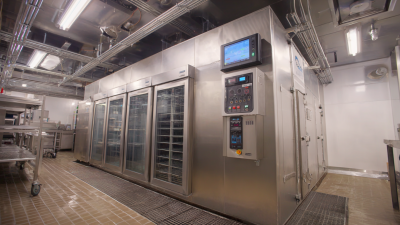
Hey, in the fast-paced world of food service these days, you really can't overlook how crucial good refrigeration is. I read in this IBISWorld report that the commercial fridge market is on track to hit around $19 billion by 2025 — pretty staggering, right? That just shows how important it is for businesses to have reliable cooling systems. When it comes to choosing, finding the right Walk-In Freezer can make a huge difference in how smoothly things run — like, it affects your storage space, how efficiently you operate, and ultimately, your profits. These big, insulated rooms do more than just keep things cold; they help keep your inventory organized and easy to access.
With more demand for top-notch frozen foods, you’re seeing a lot more restaurants, grocery stores, and food manufacturers turning to Walk-In Freezers. The National Restaurant Association even reports that about 96% of restaurant owners believe upgrading their refrigeration can seriously boost the quality of their dishes. As everyone tries to meet stricter food safety rules and save energy, it’s super important to understand what features and benefits these Freezer Walk Ins offer. When you get it right, a solid setup can really be a game-changer — helping your business stay ahead of current needs and prepare for whatever's coming next.

Understanding Different Types of Walk-In Freezers for Business Use
When selecting the best walk-in freezer for your business, it's vital to understand the different types available to meet your unique operational needs. Generally, walk-in freezers are categorized into three primary types:
reach-in,
modular, and
custom-built units. Reach-in freezers are ideal for smaller spaces or businesses that require quick access to frozen goods, making them efficient for restaurants and catering services.
On the other hand, modular walk-in freezers can be easily expanded or modified, which is perfect for growing businesses with changing storage demands.
Tips: To ensure you select a walk-in freezer that caters to your specific needs, consider the layout of your workspace. Properly gauging dimensions can save you from costly adjustments later. Additionally, take into account the energy efficiency of the unit; selecting a model with good insulation and efficient cooling systems ultimately leads to lower operational costs.
Another essential factor is temperature control. Some businesses may require varying temperature zones to store different types of products safely. This is where custom-built walk-in freezers shine, as they offer tailored solutions to meet specific temperature needs, giving you flexibility as your inventory and business requirements evolve.
Key Factors to Consider When Selecting a Walk-In Freezer
When selecting a walk-in freezer for your business, several key factors should be carefully considered to ensure it meets your operational needs. First and foremost, assess the size and layout of the space where the freezer will be installed. The dimensions should accommodate your storage requirements while allowing for easy access and organization of products. Additionally, consider the door configuration and location, as this will influence the efficiency of loading and unloading goods.
Another critical factor is the insulation and energy efficiency of the freezer. High-quality insulation will help maintain consistent temperatures while minimizing energy consumption, ultimately reducing operating costs. It is also important to evaluate the cooling system; options range from both remote and self-contained systems, each with its own advantages depending on your business’s layout and needs. Lastly, don’t overlook the importance of selecting a unit that complies with local health and safety regulations, as this will help avoid potential fines and ensure the safety of stored products.
Assessing Your Space Requirements for a Walk-In Freezer
When selecting a walk-in freezer for your business, evaluating your space requirements is critical. According to the U.S. Department of Agriculture, the average space needed for a walk-in freezer can range from
150 to 1,200 cubic feet, depending on the volume of goods and type of operation. To ensure optimal storage capacity while maintaining efficiency, businesses should conduct a thorough assessment of their current and future inventory levels, which can fluctuate seasonally or due to changes in demand.
Tips: Measure the area where the freezer will be installed, considering ceiling height, access routes, and door swings. Create a scale drawing of your space, which will help visualize how the walk-in freezer will fit and function with existing operations. Additionally, include room for important utilities such as electrical outlets and refrigeration lines.
Determining the correct dimensions for your walk-in freezer involves analyzing not just the size of the products but also how they will be stored. The Food and Drug Administration recommends leaving sufficient airflow space between items to ensure even cooling. This could affect the freezer layout, so incorporate shelving and pallet storage into your planning. Accurate forecasting and efficient inventory management will further enhance the usefulness of the space you decide on, maximizing productivity in your business's operations.
Evaluating Temperature Control and Efficiency Features
When selecting a walk-in freezer for your business, one of the most critical factors to evaluate is its temperature control capability. A reliable freezer should consistently maintain the desired temperature to preserve the quality of perishable goods. Look for models equipped with advanced thermostats and digital monitoring systems that allow for accurate temperature readings and adjustments. Additionally, ensuring that your freezer has a rapid pull-down feature can help minimize temperature fluctuations, especially when new items are added.
Efficiency features are equally important as they directly impact your operational costs. Energy-efficient walk-in freezers are designed to reduce electricity consumption while maintaining optimal cooling performance. When assessing different options, consider freezers with well-insulated walls and doors, as these reduce thermal loss and help maintain stable internal temperatures. Furthermore, options with LED lighting and high-performance compressors contribute to better energy efficiency, ultimately benefiting your bottom line while ensuring your products are stored safely at the right temperatures.
Budgeting for Purchase and Maintenance of Walk-In Freezers
When considering the purchase of a walk-in freezer for your business, budgeting for both the initial acquisition and ongoing maintenance is crucial. The upfront cost often varies significantly based on size, refrigeration capacity, and additional features like shelving and energy efficiency. Businesses should conduct thorough research to estimate these costs accurately. Including installation fees, delivery charges, and any necessary permits in the budget is essential to avoid unexpected expenses. Taking the time to assess the space required for the freezer can also help to prevent overestimating needs, which can lead to inflated costs.
Once the freezer is operational, maintenance becomes a key component of the budget. Routine maintenance tasks, including cleaning condenser coils and checking door seals, should be factored in, along with potential repair costs. Creating a reserve fund for emergency repairs can protect the business from significant financial strain in the event of a breakdown. Additionally, businesses may benefit from investments in energy-efficient models, which, while initially more expensive, can lead to substantial savings in electricity bills over time. Balancing the initial purchase price with long-term operating costs will help ensure that the investment in a walk-in freezer aligns with the overall financial health of the business.
Compliance with Health and Safety Regulations in Walk-In Freezers
When investing in a walk-in freezer for your business, it is crucial to ensure compliance with health and safety regulations. Walk-in freezers must adhere to specific guidelines that ensure food safety, protect employees, and promote overall operational efficiency. According to the Food and Drug Administration (FDA), proper temperature control is essential, with freezers required to maintain temperatures at or below 0 degrees Fahrenheit. Regular monitoring and documentation can prevent food spoilage and ensure compliance during health inspections.
Tips: Conduct regular training sessions for staff on temperature checks and maintenance procedures. This not only promotes compliance but also fosters a culture of food safety within the organization.
In addition to temperature requirements, walk-in freezers should be designed with safety features. This includes proper insulation, appropriate shelving to prevent overcrowding, and emergency exit protocols. The Centers for Disease Control and Prevention (CDC) highlights that up to 50% of foodborne illnesses can be traced back to improper food storage. As a result, ensuring that your walk-in freezer meets safety regulations is not just a legal obligation but a key component in maintaining customer trust and business integrity.
Tips: Invest in high-quality monitoring systems that can alert you to changes in temperature or equipment failure, enhancing both safety and compliance. Regular audits can also identify potential risks before they become significant issues, keeping your business on track with health regulations.
Walk-In Freezer Temperature Compliance Ratings
This chart displays the compliance ratings for different temperature ranges commonly required in walk-in freezers to meet health and safety regulations.
Sourcing Reliable Suppliers and Installation Services for Freezers
When sourcing reliable suppliers for your walk-in freezer, it is crucial to conduct thorough research to ensure you choose a partner that meets your business needs. Start by evaluating potential suppliers based on their industry reputation, customer reviews, and experience in providing freezer solutions. Reach out to other businesses in your sector for recommendations, as firsthand experiences can offer valuable insights. Additionally, consider suppliers that offer customizable options, as each business might have unique requirements regarding size, temperature control, and energy efficiency.
Installation services are equally important when selecting a freezer. A well-executed installation is vital to the operational effectiveness of the unit. Look for suppliers that not only provide the freezers but also offer comprehensive installation services, including site assessment and setup, to minimize complications during the process. Verify that the technicians are certified and experienced in handling walk-in freezers to ensure adherence to safety standards and regulations. Engaging a supplier who offers both equipment and expert installation can lead to a smoother operational setup and long-term satisfaction with your investment.
Maximizing Efficiency and Quality: The Benefits of 10*10*2.7m Walk-In Freezer Cold Storage Solutions
When it comes to cold storage solutions, the 10*10*2.7m walk-in freezer stands out for its efficiency and quality. These spacious units provide ample room for a variety of products, making them ideal for businesses that require reliable refrigeration, from food processing plants to restaurants and supermarkets. The design allows for optimal organization, ensuring easy access while maintaining a controlled environment.
The key to maximizing the benefits of these walk-in freezers lies in the customization options available. As a factory dedicated to refrigeration equipment, we specialize in developing tailored solutions that meet the specific needs of our clients. Each unit undergoes stringent quality inspections throughout the manufacturing process, ensuring the highest standards are met before delivery. For transparency and assurance, we can document every step of the production process with photographs, providing our customers with peace of mind regarding the quality of their investment.
Choosing the right cold storage solution is essential for ensuring product quality and minimizing waste. The 10*10*2.7m walk-in freezer not only enhances operational efficiency but also promotes long-term sustainability in food storage practices. By investing in a customizable, quality-controlled solution, businesses can streamline their operations and deliver fresher products to their customers.
FAQS
: The main types of walk-in freezers are reach-in, modular, and custom-built units. Reach-in freezers are suitable for smaller spaces needing quick access, modular freezers can be expanded or modified, and custom-built freezers offer tailored solutions for specific temperature needs.
To determine the appropriate size, assess the dimensions of your workspace and evaluate your storage requirements. Ensuring there is easy access and organization of products is essential.
Energy efficiency is important because high-quality insulation and efficient cooling systems help maintain consistent temperatures while minimizing energy consumption, leading to lower operating costs.
No, walk-in freezers offer different cooling systems, including both remote and self-contained options. Each type has its advantages based on the specific layout and needs of your business.
Consider whether your business requires varying temperature zones to safely store different types of products. Custom-built walk-in freezers are specifically designed to meet unique temperature requirements.
Compliance with local health and safety regulations is crucial to avoid potential fines and ensure the safety of stored products. Selecting a unit that meets these regulations protects both your business and your customers.
Conclusion
When selecting a Freezer Walk In for your business, it's essential to understand the various types available and how they fit your specific needs. Key factors to consider include assessing your spatial requirements, evaluating temperature control and efficiency features, and ensuring compliance with relevant health and safety regulations.
Additionally, budgeting for both the initial purchase and ongoing maintenance is crucial to avoid unexpected costs. Finding reliable suppliers and installation services can greatly enhance your experience and ensure that your Freezer Walk In operates effectively and complies with industry standards. By carefully considering these aspects, you can make an informed decision that supports your business operations.