Welcome to our websites!
0%

When you get into refrigeration systems, picking the right condensing unit actually makes a huge difference in how efficiently everything runs and how much energy you end up using. I came across a recent report from the Refrigeration Industry Association that really caught my eye — it said that more than 30% of the energy costs in commercial refrigeration come from using inefficient condensing units. That just goes to show how crucial it is to pick the right one based on what you actually need. Skimp or overlook this step, and you could be looking at higher bills or even system breakdowns down the line.

Dr. John Thompson, who’s pretty much an expert in this stuff, stresses how important it is to look closely at design details. He mentions, “A good condensing unit isn’t just about performance; it also helps the whole refrigeration setup last longer.” These days, with all the tech advances, modern units come with features like variable speed compressors and energy-saving modes. That means you can really fine-tune your system to match your space and needs — pretty cool, right?

The refrigeration world keeps changing fast, and understanding the basics of condensing units can really help everyone involved make smarter choices — whether it’s about saving energy or keeping costs down now and in the future. So, it’s super important to do a thorough check of what you truly need before you pick a unit. When you take that time to analyze your specific situation, you’ll be in a better spot to choose a system that’s ready to handle both today’s needs and whatever’s coming next.

How to Choose the Right Condensing Unit for Your Refrigeration Needs

Understanding the Basics of Condensing Units in Refrigeration

Condensing units play a vital role in refrigeration systems, serving as the heart of both commercial and industrial applications. These units are responsible for dissipating heat absorbed by the refrigerant in the evaporator, allowing the refrigerant to condense back into a liquid state. Understanding the basics of how condensing units operate is essential for selecting the right unit for your specific refrigeration needs. According to industry reports, about 60% of energy costs in commercial refrigeration can be attributed to the efficiency of the condensing unit. Therefore, choosing a unit that balances performance with energy efficiency is crucial.

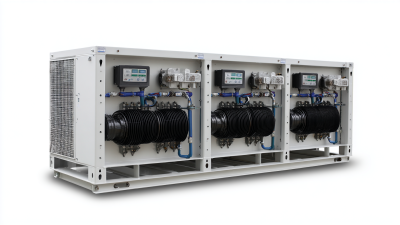
The primary components of a condensing unit include a compressor, condenser coil, and a fan, each designed to work together to optimize refrigeration cycles. Efficiency ratings, such as the Energy Efficiency Ratio (EER) and Seasonal Energy Efficiency Ratio (SEER), are critical metrics when assessing a unit's performance. For instance, a study published by the U.S. Department of Energy highlights that units with higher SEER ratings can potentially result in energy savings of up to 30% over standard units. It's important to evaluate these ratings in the context of your operational needs, load requirements, and local climate conditions to ensure the unit you choose can handle your cooling demands effectively while minimizing energy consumption.

Annual Energy Consumption of Different Condensing Units

Key Factors to Consider When Choosing a Condensing Unit

When it comes to selecting the right condensing unit for your refrigeration needs, several key factors come into play. First and foremost, consider the capacity requirements of your specific application. Whether you are cooling a small display case or a large industrial freezer, understanding the required BTU (British Thermal Units) will help you avoid under- or over-sizing the unit, which can lead to inefficiency and increased operational costs.

Another critical factor is the ambient temperature and environmental conditions where the unit will operate. Units are designed to function optimally within certain temperature ranges. Ensure that the unit you choose is capable of handling the highest expected ambient temperature so it can operate efficiently. Additionally, consider the noise level; if the unit is to be installed in a noise-sensitive area, look for models designed for quieter operation.

Tips: Always consult with a refrigeration specialist to determine the ideal configuration tailored to your needs. Regular maintenance and monitoring of the system post-installation can also extend the lifespan of the unit, ensuring optimal performance. Moreover, look for units that offer energy-efficient operation, as this can significantly reduce energy costs over time. By taking these factors into account, you can make a well-informed decision that aligns with your refrigeration requirements.

How to Choose the Right Condensing Unit for Your Refrigeration Needs

Factor Description Example Value
Cooling Capacity The amount of heat the unit can remove, usually measured in BTUs. 5,000 - 30,000 BTU/h
Energy Efficiency Measured in SEER or EER ratings, it indicates how efficiently the unit uses energy. 12 - 20 SEER
Refrigerant Type The type of refrigerant used can impact efficiency and environmental impact. R-410A or R-404A
Installation Space Consider the available space for installation, including height restrictions. Min Height: 30in, Min Width: 24in
Noise Levels The sound produced by the unit during operation, measured in decibels (dB). 50 - 70 dB
Climate Rating Units are rated for specific climates, affecting performance and durability. T1, T3 ratings

Evaluating Capacity Requirements for Your Refrigeration System

When selecting a condensing unit for your refrigeration system, evaluating capacity requirements is a critical first step. Understanding the specific cooling demand of your application ensures you choose a unit that can efficiently maintain the desired temperature. Begin by calculating the total load, which includes factors such as the size of the space being cooled, the type and quantity of products stored, and environmental conditions that impact temperature control. Pay attention to heat generated by lights, machinery, and external weather, as these elements can significantly influence your refrigeration needs.

Once you have a comprehensive understanding of your capacity requirements, you can look into the cooling capacity of potential condensing units. These units are typically rated based on their ability to dissipate heat and are measured in BTUs per hour or tons. An ideal unit should match or slightly exceed the calculated load to accommodate peak demands while maintaining energy efficiency. Additionally, consider the unit's operational efficiency, as a more efficient model can lead to significant energy savings in the long run, ultimately reducing overall operational costs. By thoroughly evaluating these factors, you can select the right condensing unit that aligns with your refrigeration needs.

Assessing Energy Efficiency and Operating Costs

When selecting a condensing unit for refrigeration, energy efficiency and operating costs play a critical role in ensuring optimal performance and long-term savings. Energy efficiency can significantly influence monthly electricity bills. Look for units with high energy efficiency ratings, as they operate using less power to provide the same cooling output. This not only helps reduce costs but also contributes to a lower carbon footprint, which is increasingly important in today’s environmentally conscious market.

In addition to energy efficiency, it's essential to consider the overall operating costs associated with the condensing unit. These costs include maintenance, repair, and potential downtime. Choosing a unit that requires less frequent maintenance can lead to considerable savings over time. An efficient condensing unit should have durable components and the ability to run effectively across various operating conditions, minimizing the risk of unexpected failures. By carefully evaluating these factors, businesses can ensure they select a condensing unit that balances initial investment with long-term operational efficiency and cost-effectiveness.

Types of Condensing Units: Which One is Right for You?

How to Choose the Right Condensing Unit for Your Refrigeration Needs

When selecting a condensing unit for refrigeration, it’s crucial to understand the different types available, as each serves specific needs. Air-cooled condensing units are popular for their simplicity and ease of installation. They work by using ambient air to cool the refrigerant, making them ideal for smaller applications or locations with adequate airflow. These units are often used in commercial settings like convenience stores or restaurants, where space and air circulation are manageable.

On the other hand, water-cooled condensing units are preferable for larger commercial operations or when ambient temperatures are high. They efficiently dissipate heat by using water rather than air, leading to improved performance and energy efficiency. This type is typically found in larger installations such as industrial refrigeration systems or centralized cooling systems. In contrast, remote condensing units offer flexibility in design, as they can be located away from the equipment being cooled, allowing for quieter operation and better aesthetics in a facility. Understanding the strengths and weaknesses of each type is essential for making an informed decision that aligns with specific refrigeration needs.

Maintenance Requirements for Different Condensing Unit Types

When selecting the right condensing unit for refrigeration needs, understanding the maintenance requirements of different types is crucial. For instance, air-cooled condensing units typically require less maintenance than their water-cooled counterparts, primarily due to their simpler design and fewer components susceptible to scale buildup or corrosion. According to industry data, air-cooled units can operate effectively with minimal routine checks, primarily focused on filter cleaning and inspecting fan operation. Regular maintenance intervals can extend the lifespan of these units, often exceeding ten years when properly cared for.

Air-Cooled Unit

On the other hand, water-cooled condensing units necessitate more intensive maintenance due to their operational dependencies on water quality and system efficiency. Regular monitoring of water chemistry is essential to prevent fouling and scaling, which can significantly impact performance. Reports indicate that systems with a proactive maintenance schedule can reduce energy consumption by up to 15% and prevent costly downtime. In addition, periodic checks on the cooling towers and associated pumps are vital for ensuring optimal performance, as neglect in these areas can lead to significant operational inefficiencies. Understanding these differences ensures that facility managers can allocate appropriate resources for maintenance, leading to enhanced reliability and longevity of their refrigeration systems.

Common Brands and Models of Condensing Units to Consider

When selecting a condensing unit for refrigeration, it's essential to consider various brands and models that align with your specific needs. Commonly reputable brands typically offer a range of units with varying capacities and efficiencies, catering to different applications from commercial refrigeration to industrial cooling systems. It's beneficial to research models that have a proven track record in reliability and performance, ensuring they meet the demands of your refrigeration tasks. Look for features such as energy efficiency ratings, noise levels, and ease of maintenance, as these can significantly impact operational costs and overall satisfaction.

In addition to energy efficiency, it’s crucial to assess the compatibility of the condensing unit with your existing refrigeration system. Many manufacturers provide detailed specifications and guidelines to help users select the appropriate model. Consider units designed with advanced technologies, such as variable speed compressors, which can enhance performance and reduce energy consumption. Furthermore, ensure that the brand offers robust customer support and service options, which can be invaluable for maintenance and troubleshooting after purchase. By focusing on trusted brands and evaluating their models thoroughly, you can make an informed decision that best suits your refrigeration needs.

FAQS

: What is the main function of a condensing unit in refrigeration systems?

: The main function of a condensing unit is to dissipate heat absorbed by the refrigerant in the evaporator, allowing the refrigerant to condense back into a liquid state.

Why is energy efficiency important in condensing units?

Energy efficiency is crucial because approximately 60% of energy costs in commercial refrigeration can be attributed to the efficiency of the condensing unit. Higher efficiency units can lead to significant energy savings.

What are the primary components of a condensing unit?

The primary components of a condensing unit include a compressor, condenser coil, and a fan, which work together to optimize refrigeration cycles.

How do efficiency ratings like EER and SEER impact condensing unit selection?

Efficiency ratings such as Energy Efficiency Ratio (EER) and Seasonal Energy Efficiency Ratio (SEER) help assess a unit's performance, with higher ratings potentially resulting in energy savings of up to 30% compared to standard units.

What should be considered when choosing the capacity of a condensing unit?

When choosing the capacity, it's essential to calculate the total load based on factors such as space size, product types, quantity, and environmental conditions to avoid under- or over-sizing the unit.

How do ambient temperatures affect the selection of condensing units?

Ambient temperatures impact the unit's ability to operate efficiently; it's important to select a unit that can handle the highest expected ambient temperature for optimal performance.

Why is noise level an important factor in the selection of condensing units?

The noise level is important if the unit will be installed in a noise-sensitive area; models designed for quieter operation are preferable in such situations.

How can regular maintenance affect a condensing unit's performance?

Regular maintenance and monitoring of the system post-installation can extend the lifespan of the unit and ensure optimal performance.

What should one do to ensure they select the right condensing unit for their needs?

It is advisable to consult with a refrigeration specialist to determine the ideal configuration for your needs and to consider factors such as capacity, efficiency, and environmental conditions.

How can selecting an energy-efficient condensing unit impact operational costs?

Choosing a unit that offers energy-efficient operation can significantly reduce energy costs over time, leading to lower overall operational expenses.

Conclusion

Choosing the right condensing unit for your refrigeration needs is crucial for optimal performance and efficiency. Understanding the basics of condensing units is the first step, as it lays the groundwork for making informed decisions. Key factors to consider include the capacity requirements of your refrigeration system, which depend on the specific applications and load demands. Additionally, evaluating energy efficiency and operating costs will help in selecting a unit that not only meets your needs but also remains economical over time.

There are various types of condensing units available, and determining which one is right for you involves assessing maintenance requirements and the operational environment. It’s also beneficial to familiarize yourself with the common brands and models on the market to find a solution that aligns with your refrigeration goals. In conclusion, careful consideration of these elements will enable you to select a condensing unit that suits your specific refrigeration needs effectively.

Ethan

Ethan

Ethan is a dedicated marketing professional with a deep expertise in cold storage solutions. He plays a pivotal role in showcasing the company's core offerings, which include comprehensive cold storage planning, design, and equipment provision. His commitment to delivering one-to-one services......
Previous Mastering the Setup: A Comprehensive Guide to Installing Condensing Unit Cold Rooms