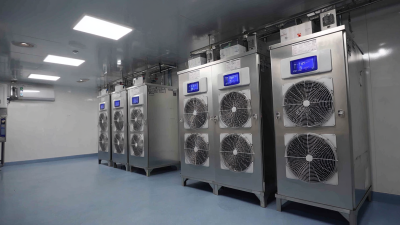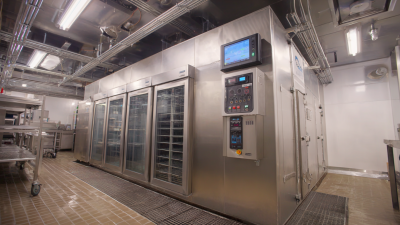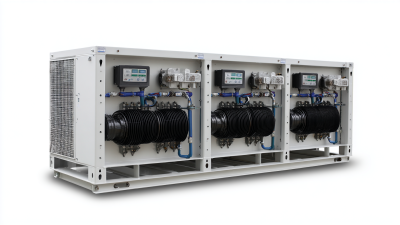
In the fast-changing world of the food and drink industry, picking the right equipment isn't just important — it's kind of a big deal if you want things to run smoothly. One option plenty of folks go for is the 'Freezer Walk-In.' It’s versatile enough to meet different storage needs and helps keep food safe and fresh. I’ve chatted with industry expert James Thornton, a refrigeration pro at Cold Storage Solutions, and he’ll tell you, "The trick to making everything work well often comes down to choosing the right Freezer Walk-In that fits your specific business needs."
As businesses try to get the most out of their storage, it’s pretty essential to understand the different kinds of Freezer Walk-Ins out there and what they offer. Things like temperature control, how much energy they use, and how they make the best use of space—those are all super important to consider when you're making your choice. Whether you're running a busy restaurant or a food processing plant, knowing what to pick can actually save you money and keep your products top-notch.
Moving forward, I’d say entrepreneurs should really take the time to analyze what they need and maybe check in with experts if they’re unsure. With the right Freezer Walk-In, you can boost your storage game and make sure your products stay in great shape — which, honestly, just helps your business succeed in this competitive world.
When choosing a walk-in freezer for your business, it's essential to understand the different types available to determine which best meets your needs. The two primary categories of walk-in freezers are indoor and outdoor models.
Indoor walk-in freezers are typically installed within a building's premises, making them ideal for restaurants, catering companies, and food storage facilities. They offer easy access and can be customized to fit available space, ensuring optimal flow in food handling processes.
On the other hand, outdoor walk-in freezers are designed for external placement and are often more robust to withstand various weather conditions.
These units are typically used by businesses that require large storage capacities but may not have the available space indoors. They come with additional insulation and weatherproofing features, making them suitable for industries like wholesale distribution and farms. Understanding these essential differences will help business owners make informed decisions based on their specific operational requirements and space limitations, ensuring a seamless integration of the freezer into their existing setup.
When considering a walk-in freezer for your business, several key factors can influence your decision. First and foremost, it’s crucial to assess your space and the available layout in your establishment. Measure the area where you plan to install the freezer to ensure it fits comfortably while allowing for easy access and movement. Additionally, consider the door design and placement; a location that minimizes foot traffic disruption is ideal for busy environments.
Another significant factor to consider is the size and capacity of the freezer. Evaluate your storage needs based on the volume and type of products you will be storing. This assessment will help you determine whether a standard size will suffice or if a customized solution is necessary. Keep in mind that opting for a slightly larger freezer than you think you need can provide flexibility for future growth in your inventory.
Tips: Look for energy-efficient models to minimize operational costs, and pay attention to insulation quality, as it greatly affects temperature maintenance. Lastly, consider the long-term costs associated with maintenance and repairs. Investing in quality materials upfront can lead to significant savings and greater reliability over time.
When selecting a walk-in freezer for your business, a thorough assessment of your storage needs and available space is crucial. According to the Food and Drug Administration (FDA), maintaining proper storage conditions for food items is vital for safety and quality. For instance, a walk-in freezer should ideally maintain a temperature of -10°F or lower, ensuring that food remains frozen and safe for consumption. To determine the right size, businesses should evaluate their current inventory, taking into account peak usage periods which may occur seasonally or during special promotions. Industry reports indicate that, on average, foodservice operators experience a 15-20% increase in storage requirements during peak seasons.
Space availability is another critical factor influencing the choice of a walk-in freezer. The layout of your facility must accommodate the freezer without disrupting operational flow. In a recent survey by the National Restaurant Association, 37% of operators reported that spatial constraints were a significant challenge when managing their cold storage needs. Calculating the footprint of the walk-in freezer is essential; it should allow for ample airflow around the unit for efficient cooling while not impeding movement in the workspace. Moreover, businesses must consider local building codes and health regulations, ensuring that their chosen freezers fit within legal requirements for ventilation and accessibility. Properly assessing your business’s storage needs and spatial limitations can lead to enhanced operational efficiency and compliance with industry standards.
When selecting a walk-in freezer for your business, energy efficiency and operating costs are paramount considerations. A walk-in freezer that operates efficiently not only reduces your carbon footprint but also lowers your monthly energy bills. One crucial aspect to evaluate is the unit's insulation. Quality insulation helps maintain a consistent internal temperature, thereby reducing the workload on the refrigeration system. Look for units with high R-value insulation, as this translates to better energy savings over time. Additionally, energy-efficient compressors and fans can significantly contribute to decreased power consumption.
Operating costs extend beyond energy bills; maintenance and repair expenses also factor into the overall cost of ownership. Regular maintenance ensures that the freezer functions optimally, preventing potential breakdowns that could lead to costly repairs or product loss. Consider models that offer easy access to key components for maintenance, as this can save time and money in the long run. Furthermore, investing in energy-efficient technologies, such as LED lighting and smart temperature controls, can help streamline operations and maximize efficiency, ultimately contributing to your bottom line.
When selecting a walk-in freezer for your business, the quality of temperature control plays a pivotal role in preserving the integrity of your products. A freezer's ability to maintain consistent temperatures is crucial, as fluctuations can lead to spoilage or food safety issues. To ensure optimal performance, look for units that feature advanced temperature monitoring systems and reliable cooling technology. This ensures that the internal environment remains stable even during frequent door openings or changes in surrounding temperatures.
Insulation quality is another vital factor to consider. A freezer with superior insulation not only helps maintain the desired temperature but also reduces energy costs. High-density insulation materials minimize heat transfer, keeping the cold air in and the warm air out, which is essential for energy efficiency. Additionally, good insulation extends the life of the freezer by reducing the workload on the cooling system, thus providing a more sustainable option for your business in the long run. In conclusion, focusing on temperature control and insulation quality is key to making an informed decision when choosing the best walk-in freezer for your business needs.
| Dimension | Importance | Recommended Standard | Impact on Business |
|---|---|---|---|
| Temperature Control | Maintains product quality and safety | -18°C (0°F) for frozen food | Prevents spoilage and reduces waste |
| Insulation Quality | Reduces energy costs and improves efficiency | R-value of 24 or greater | Savings on utility bills and better performance |
| Size and Capacity | Sufficient storage for business needs | Determined by inventory volume | Avoids overcrowding and facilitates organization |
| Accessibility | Eases loading and unloading processes | Multiple access points recommended | Increases efficiency and minimizes downtime |
| Compliance | Adheres to health and safety regulations | Local and federal guidelines | Avoids fines and ensures safe operations |
When selecting a walk-in freezer for your business, evaluating brand reputation is crucial. Reliable brands often have positive feedback in the industry, demonstrating their commitment to quality and customer service. Research online reviews and seek recommendations from other business owners in your network. A brand with a strong reputation is likely to provide a product that not only meets your storage needs but also adheres to performance and durability standards essential for commercial use.
In addition to brand reputation, warranty options can significantly impact your decision. A solid warranty indicates that a manufacturer stands behind their product. Look for freezers that offer comprehensive coverage for a reasonable duration, which often includes parts and labor. This not only provides peace of mind but also helps protect your investment in the long run.
Tips: When assessing warranties, pay attention to what they cover specifically. Does the warranty include the compressor, electrical components, and labor costs? A longer warranty with extensive coverage can save you from unexpected repair expenses. Remember, a walk-in freezer is a major investment for your business; choosing one with a reputable brand and strong warranty can lead to better operational efficiency and reliability.
When it comes to selecting a walk-in freezer for your business, understanding the installation and maintenance considerations is crucial. According to industry reports, an efficiently installed walk-in freezer can reduce energy costs by up to 30%, making it a sound investment for businesses. Proper ventilation and insulation are key factors; ensuring that the unit is well-insulated can prevent heat from entering and, in turn, lessen the workload on the refrigeration system. Inadequate installation can lead to premature compressor failure, which can be costly in terms of repairs and lost inventory.
Maintenance plays an equally important role in the longevity and performance of your walk-in freezer. Regular cleaning of condenser coils can improve efficiency and extend the life of the unit. The North American Refrigeration Association indicates that up to 70% of refrigeration failures could be tied to improper maintenance. Schedule routine checks for temperature consistency, door seals, and drain lines to prevent costly repairs.
**Tips:** Always keep a log of maintenance activities and checklists; this not only helps in tracking performance improvements but can also be beneficial if you decide to sell or upgrade your equipment in the future. Additionally, consider training staff on the operational procedures of the walk-in freezer to ensure that it is being utilized effectively and maintained properly.
The optimization of cold storage solutions has become increasingly essential in the food industry, particularly regarding the efficiency of food preservation. A key example is the 10*10*2.7m walk-in freezer, which offers ample space for storing perishable goods while maintaining optimal temperature control. This specific design not only maximizes storage capacity but also enhances the preservation quality of various food items, reducing spoilage and waste significantly.
Manufacturers of refrigeration equipment play a crucial role in this optimization process. By providing products that can be customized and tailored to specific needs, they address the diverse requirements of food storage. Stringent quality inspections during the manufacturing process ensure that the walk-in freezers operate effectively and maintain low energy consumption. The ability to document each step of assembly through photography offers additional transparency for clients, reinforcing confidence in the product's reliability and performance. In conclusion, the 10*10*2.7m walk-in freezer exemplifies how innovative cold storage solutions can lead to remarkable improvements in food preservation efficiency.
: The two primary types of walk-in freezers are indoor and outdoor models. Indoor walk-in freezers are installed within a building, making them suitable for restaurants and food storage facilities. Outdoor models are designed for external placement and are often more robust, catering to businesses that need large storage capacities in challenging weather conditions.
Temperature control is crucial as it maintains consistent temperatures to preserve the integrity of products. Fluctuations in temperature can lead to spoilage and food safety issues, so it's vital to select units with advanced temperature monitoring systems.
Good insulation quality is essential for maintaining the desired temperature and reducing energy costs. High-density insulation minimizes heat transfer, keeping cold air in and warm air out, which leads to improved energy efficiency and extends the life of the freezer.
When choosing a walk-in freezer, look for features like advanced temperature monitoring systems, reliable cooling technology, and high-quality insulation materials. These features ensure optimal performance and energy efficiency.
Outdoor walk-in freezers are advantageous for businesses that need substantial storage but may lack indoor space. They are built to withstand various weather conditions and come equipped with additional insulation and weatherproofing.
Walk-in freezers with superior insulation reduce the workload on the cooling system by minimizing heat transfer. This not only helps maintain the desired temperature but also lowers energy consumption, leading to cost savings over time.
Yes, indoor walk-in freezers can be customized to fit the available space in a facility, ensuring optimal flow in food handling processes, which is crucial for efficiency in operations.
Outdoor walk-in freezers are typically used in industries such as wholesale distribution and farms, where large storage capacities are necessary, and outdoor placement is feasible.
Frequent door openings can lead to temperature fluctuations; therefore, it's important to choose a freezer with advanced temperature control features to maintain a stable internal environment despite these changes.
By investing in a walk-in freezer with high-quality temperature control and insulation, businesses can ensure durability, reduce energy costs, and maintain product integrity, providing a more sustainable option over time.
When selecting a Freezer Walk In for business needs, it is essential to understand the different types available and how they fit specific operational requirements. Factors such as storage capacity, space availability, and energy efficiency play a crucial role in making an informed decision. Businesses must assess their unique storage needs while considering the operating costs related to energy consumption.
Moreover, the importance of temperature control and insulation quality cannot be overstated, as these elements directly impact food safety and product longevity. Evaluating brand reputation and warranty options ensures that the chosen freezer meets industry standards and offers reliable performance. Lastly, installation and maintenance considerations should be factored into the decision-making process to ensure longevity and optimal functionality of the Freezer Walk In.