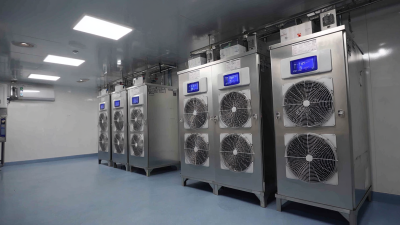
Picking the right Walk-In Chiller can honestly feel a bit overwhelming, especially with so many options out there. You wanna make sure you choose one that fits your needs because, trust me, it can really make a difference in how smoothly your business runs and how fresh your products stay. It’s not just about size or price — things like how functional it is and how efficient it is on energy really matter too.
Every business is different. For example, restaurants often need sturdy chillers that can handle lots of perishables, while grocery stores might want bigger units to store all kinds of products. Taking the time to figure out what you really need can save you a lot of headaches later on. Oh, and where you put the chiller matters just as much. If it’s in a awkward spot, it could slow down your workflow without you even realizing it.
Sometimes, you might be tempted to go for a snazzy-looking model, but honestly, practicality should be your top priority. Things like proper insulation, easy temperature control, and how accessible it is — those little details can make a big difference day to day. Talking to experts or vendors can give you some solid insights too. And don’t be shy about checking out different brands and models — after all, a Walk-In Chiller is an investment, so it’s worth giving it some good, careful thought and planning.

Understanding the Basics of Walk-In Chillers for Businesses
Understanding the basics of walk-in chillers is essential for businesses looking to maintain food safety and quality. These large refrigeration units are crucial in many industries, particularly in food service and storage. According to recent industry reports, about 70% of foodborne illnesses are linked to improper food temperature control. A reliable walk-in chiller can play a significant role in preventing these issues.
When selecting a walk-in chiller, consider the size based on your storage needs. A common mistake is underestimating space requirements. Businesses often choose a unit too small, causing overcrowding. Overcrowding leads to poor air circulation, which can compromise cooling efficiency. Data suggests that improper storage can reduce product life by up to 50%.
Energy efficiency is another vital factor. Walk-in chillers can account for up to 40% of a business’s total energy consumption. Opting for models with better energy ratings can significantly lower utility bills over time. However, the initial investment may be higher. This trade-off requires careful consideration of long-term savings versus upfront costs. Making informed choices can ultimately benefit the bottom line.
Key Factors to Consider When Choosing a Walk-In Chiller
Choosing the right walk-in chiller requires careful thought. Space is crucial; measure your area to ensure the unit fits well. Consider the layout. A poorly designed space might lead to inefficiency. Keep in mind air circulation too. This affects cooling performance.
Energy efficiency is another key factor. Look for models with good energy ratings. While they may cost more upfront, savings over time can be significant. Also, think about the insulation quality. Better insulation reduces energy loss, further enhancing efficiency.
Lastly, reflect on your specific needs. Different businesses have varied cooling requirements. Think about what you will store. If you need to chill large quantities, ensure the chiller meets that need. Revisit your choices regularly, and adapt your selection based on changing demands.
Assessing Your Business's Size and Storage Needs
When choosing a walk-in chiller, assessing your business's size and storage needs is crucial. The National Restaurant Association notes that 60% of restaurants experience a need for additional storage space within the first 12 months. Understanding your specific needs can prevent such early challenges. A small café may require only 300 cubic feet, while a bustling supermarket may need over 1,500 cubic feet. Each business is unique, so tailoring your storage capacity to fit your operations is essential.
Consider the volume of perishable goods you typically handle. For instance, a bakery might prioritize temperature control for dough, while a grocery store may focus on produce. According to industry standards, a chiller should maintain temperatures between 32°F to 41°F to ensure food safety. It's also important to reflect on your future needs. An expansive growth plan could mean outgrowing your initial choice within a few years.
Also, think about the layout of your space. If your kitchen lacks room for a large chiller, a compact design might be necessary. This decision can influence employee workflow and energy efficiency. Moreover, energy-efficient models might have a higher upfront cost, but they can lead to savings in the long run. Balancing these variables can be a challenge. It’s vital to ask the right questions and visualize the fit within your operation. This thoughtfulness can ultimately lead to better decision-making and business performance.
Energy Efficiency Ratings and Their Impact on Costs
When selecting a walk-in chiller, energy efficiency ratings play a critical role. These ratings indicate how well a unit uses energy, influencing operational costs. Chillers with higher energy efficiency ratings can significantly reduce electricity bills over time. For instance, a chiller with an Energy Star rating can be up to 30% more efficient than non-rated models.
Understanding the impact of these ratings is essential. A highly efficient chiller might have a higher initial cost, but the long-term savings can outweigh this investment. Additionally, lower energy consumption means reduced environmental impact. Research shows that many businesses overlook these ratings, which can lead to higher operational costs.
Investing in a chiller that meets stringent efficiency guidelines may require effort. However, examining energy usage can provide clearer insights into overall savings. Many operators find this process daunting. Yet, taking the time to analyze energy efficiency will pay off. Monitoring energy bills and performance regularly is crucial. If a unit underperforms, adjustments might be necessary. Improved efficiency not only affects costs but enhances the overall sustainability of your operations.
Energy Efficiency Ratings of Walk In Chillers
This bar chart illustrates the energy efficiency ratings of various walk-in chiller models, measured in kilowatt-hours per year. A lower number indicates better energy efficiency, which can impact operational costs significantly.
Types of Walk-In Chillers: Which One is Right for You?
When choosing a walk-in chiller, understanding the types available is crucial. Two common types are
solid door and glass door walk-in chillers.
Solid door chillers provide better insulation, making them ideal for storage in environments where
energy efficiency matters. They are also more cost-effective. However, you can’t easily see the contents without opening the door.
This could lead to more frequent door openings, potentially increasing energy costs.
Glass door walk-in chillers offer a different advantage. They allow easy visibility of the
products inside. This feature can enhance the buying experience for customers. However, they might consume
more energy due to the glass structure. Analyze your business needs and consider whether visibility or efficiency is paramount.
Each type has its own pros and cons, and neither is perfect. If your business has high foot traffic, a glass door might attract
more customers. On the other hand, consider a solid door for back-of-house areas where
accessibility is less critical. Balancing these factors is essential for making an
informed decision.
Maintenance Requirements for Different Walk-In Chiller Models
When selecting a walk-in chiller, maintenance is a crucial aspect. Different models can have various maintenance needs that directly impact efficiency. Regular maintenance ensures optimal performance, preventing costly breakdowns and food spoilage.
For example, condenser coils must be cleaned frequently to avoid dust buildup. Dirty coils can lead to higher energy consumption. Schedule cleanings at least every six months. This simple task can extend the lifespan of your unit significantly.
Check the door seals regularly. Worn seals can allow cold air to escape, increasing energy costs. If you notice frost buildup, it might indicate a seal issue. Replacing seals is generally easy but often neglected.
Consider the training of your staff. Proper training on usage and maintenance routines can minimize mistakes. Create easy-to-follow checklists for daily tasks. This habit fosters a culture of care around your equipment.
How to Choose the Right Walk In Chiller for Your Business? - Maintenance Requirements for Different Walk-In Chiller Models
| Chiller Model |
Cooling Capacity (BTU/hr) |
Dimensions (ft) |
Energy Efficiency Rating |
Maintenance Frequency |
Typical Lifespan (Years) |
| Model A |
5000 |
8 x 10 |
High |
Quarterly |
15 |
| Model B |
10000 |
10 x 12 |
Medium |
Bi-Annual |
12 |
| Model C |
7500 |
9 x 11 |
Low |
Monthly |
10 |
| Model D |
12000 |
12 x 14 |
High |
Annual |
20 |
Budgeting for Purchase and Operational Costs of a Walk-In Chiller
When budgeting for a walk-in chiller, it's crucial to consider both initial purchase costs and ongoing operational expenses. The upfront cost can vary widely based on size, type, and features. Smaller chillers might start around a few thousand dollars, while larger, more advanced units could cost significantly more. Assess your business needs carefully to avoid overspending on unnecessary features.
Operational costs add another layer to your budget. Electricity consumption plays a major role in these expenses. Walk-in chillers can use substantial power, leading to higher utility bills. Routine maintenance is equally important. Neglecting it can lead to bigger repair costs down the line.
Tips: Always calculate total ownership costs. Look beyond the sticker price. Compare energy efficiency ratings. Understand the impact of raising and lowering temperatures.
Consider potential issues. For example, an improperly installed unit might waste energy. It’s worth investing time to plan before making a purchase. Explore various financing options if upfront costs seem daunting. This allows you to prioritize quality while managing cash flow.
FAQS
: Consider the volume of perishable goods you handle. Assess if your current space meets your requirements.
A small café may only require around 300 cubic feet of storage capacity.
Energy efficiency impacts operational costs. More efficient models can reduce electricity bills significantly over time.
Higher energy efficiency ratings lead to lower energy consumption, resulting in reduced utility bills in the long run.
Yes, an expanding business may outgrow its initial chiller choice. Planning ahead is crucial.
A chiller should keep temperatures between 32°F and 41°F to ensure food safety.
Limited space may require a compact chiller design. This affects workflow and energy efficiency.
Yes, while they may cost more upfront, long-term savings can outweigh this investment.
Regularly monitor energy bills and performance. Make adjustments to improve efficiency if necessary.
Consider your workflow and available space. Asking the right questions helps you make a thoughtful choice.
Conclusion
When selecting the right Walk In Chiller for your business, it is essential to first understand the basics of these refrigeration units, which provide efficient storage for perishable goods. Key factors to consider include the size and specific storage needs of your business, as well as the energy efficiency ratings that directly impact operational costs.
Additionally, different types of Walk In Chillers cater to various industries, making it crucial to assess which model aligns best with your requirements. Maintenance needs can vary significantly between models, influencing long-term performance and reliability. Finally, budgeting for both the initial purchase and ongoing operational costs will ensure that your investment in a Walk In Chiller is both practical and supportive of your business's growth.