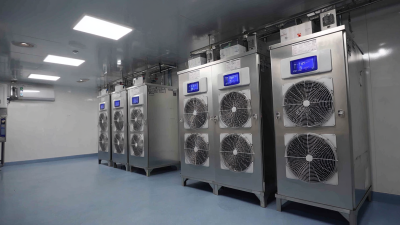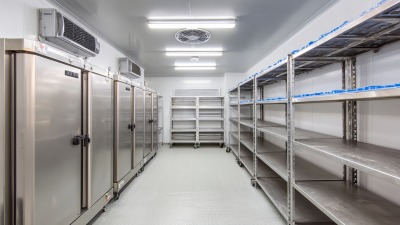
In today's super competitive market, picking the right coldrooms for your business is more important than ever. I mean, according to a recent report by Allied Market Research, the global cold chain industry is expected to hit around $585 billion by 2027. A big chunk of that growth is driven by the skyrocketing demand for temperature-sensitive products, like food and meds. Coldrooms are basically the backbone of keeping these products safe and effective all along the supply chain — without them, everything risks going bad.
Getting the right coldroom isn’t just about keeping products fresh, though. It can actually save your business a ton of money too. The International Institute of Refrigeration pointed out that energy-efficient cold storage options can cut operational costs by up to 30%. Plus, investing in smarter, more advanced coldroom tech helps with better inventory control, reduces spoilage, and even keeps you in line with all the rules and regulations. So, it’s pretty clear — understanding the different types of coldrooms and choosing the one that fits your specific needs is key to running things smoothly, saving money, and staying sustainable in the long run.
A coldroom plays a crucial role in various businesses, particularly in industries such as food service, pharmaceuticals, and biotechnology. According to a report by MarketsandMarkets, the global cold storage market is expected to grow from USD 112.3 billion in 2020 to USD 234.6 billion by 2025, highlighting the increasing recognition of cold storage solutions. Coldrooms provide an essential environment for preserving perishable goods, ensuring product quality, and extending shelf life, which directly impacts a company's bottom line.
Moreover, the benefits of a well-designed coldroom extend beyond mere storage. The right coldroom can significantly enhance operational efficiency by optimizing workflow and reducing spoilage rates. For instance, the Food and Agriculture Organization (FAO) estimates that around one-third of food produced for human consumption is wasted globally, and proper cold storage can mitigate this issue effectively. By investing in a suitable coldroom, businesses can ensure compliance with health regulations, meet customer demands for fresh products, and ultimately position themselves competitively in the market.
When selecting the right cold room for your business, it's crucial to thoroughly assess your specific temperature control requirements. Different industries have unique needs; for instance, the food and beverage sector typically requires stringent temperature regulations, maintaining a range of 0°C to 4°C for fresh produce and up to -18°C for frozen goods. According to the Global Temperature Controlled Packaging Solutions report from 2022, the demand for efficient cold storage solutions in the food industry has risen by approximately 25% over the last five years, underscoring the need for tailored solutions that can accommodate varying temperature zones.
In addition to temperature considerations, the storage capacity and operational efficiency of cold rooms must be evaluated. A report by the International Institute of Refrigeration highlights that businesses can save up to 30% on energy costs through optimized temperature management and proper insulation in cold storage facilities. Moreover, if your business deals with pharmaceuticals, maintaining compliance with regulations, such as the FDA’s guidelines requiring specific temperature controls for certain medications, becomes imperative. This necessitates a comprehensive analysis of your products' requirements to select a cold room that not only meets these guidelines but also protects the integrity of your inventory.
When selecting a coldroom for your business, it is essential to evaluate the various types available in the market to ensure you meet your specific needs. Commonly, coldrooms can be categorized into walk-in coolers, reach-in units, and portable cold storage. Walk-in coolers are spacious and ideal for businesses with high-volume storage needs, such as restaurants and grocery stores. In contrast, reach-in units are more suited for smaller operations, providing quick access to stored items while maintaining temperature.
According to industry reports, the global cold chain market is projected to reach $500 billion by 2025, with an increasing demand for efficient cold storage solutions. This growth highlights the importance of carefully considering the type of coldroom that aligns with your operational requirements and helps maintain the quality of your products.
Tips: When choosing a coldroom, evaluate the size of your inventory and choose a unit that allows room for expansion. Additionally, consider the energy efficiency of the coldroom since energy costs can significantly impact your bottom line. Look for models with advanced insulation materials to enhance temperature retention and reduce operational costs.
When selecting the right coldroom for your business, analyzing space and location considerations is crucial. A recent industry report by the Global Cold Chain Alliance highlights that 45% of businesses underestimate the importance of spatial planning in coldroom installation. Factors such as the size of the coldroom, access to transportation routes, and proximity to suppliers can significantly influence operational efficiency and costs.
Businesses should ensure that the coldroom is sized appropriately to accommodate their inventory needs, while leaving additional space for future expansion, as studies show that a growing number of businesses expect increased demand over the next five years.
Location also plays a pivotal role in the success of a coldroom installation. Research indicates that cold rooms situated within 20 miles of their supply chain partners tend to reduce logistics costs by up to 25%. This proximity not only lowers transportation expenses but also minimizes potential spoilage or product loss, which can occur with longer transit times. Additionally, when choosing a location, consider local zoning regulations and energy accessibility, as these can impact both the installation process and ongoing operational costs. Proper evaluation of these factors ensures that the coldroom serves your business needs efficiently, supporting streamlined operations and enhanced profitability.
When determining the ideal size and capacity for your coldroom, consider the specific needs of your business. Assess the types of products you will store, as different items may require varying amounts of space. For instance, perishable foods often need more room to maintain proper air circulation, while pharmaceuticals might be stored in a more compact arrangement. Analyzing your inventory turnover rate can also help establish capacity needs; businesses with high turnover may require a larger coldroom to accommodate bulk storage.
It’s also essential to account for seasonal fluctuations in demand. If your business experiences peak seasons, ensuring that your coldroom has sufficient capacity to handle increased stock levels is crucial. Additionally, think about future growth; investing in a slightly larger coldroom may provide the flexibility needed to expand offerings or respond to market changes without requiring immediate upgrades. By carefully evaluating these factors, you can select a coldroom that not only meets your current needs but also supports your business's long-term sustainability.
When selecting a coldroom for your business, assessing energy efficiency features should be a top priority. Energy-efficient coldrooms not only lower operating costs but also reduce environmental impact. Look for units with advanced insulation materials that minimize heat gain, as well as high-efficiency compressors that consume less energy while maintaining optimal cooling temperatures. Additionally, consider options with variable-speed fans and evaporators that adjust to cooling demands, ensuring efficiency without compromising performance.
**Tips:** When evaluating coldroom models, check for energy certifications such as ENERGY STAR ratings, which indicate compliance with strict energy efficiency regulations. Implementing monitoring systems can also help track energy usage over time, allowing for proactive management of operational costs.
Another key feature to consider is the use of LED lighting inside the coldroom, which generates less heat and consumes significantly less energy compared to traditional lighting. Opting for units that incorporate smart technology can further enhance energy efficiency, enabling remote management and real-time data analytics to optimize performance and save energy.
**Tips:** Conduct regular maintenance checks to ensure cooling systems operate at peak performance. Forgotten maintenance can lead to increased energy consumption and decreased efficiency over time.
| Coldroom Model | Size (Cubic Feet) | Energy Efficiency Rating | Temperature Range (°F) | Power Consumption (kWh/Year) | Pricing (USD) |
|---|---|---|---|---|---|
| Model A | 1000 | A+ | -10 to 32 | 1500 | 4500 |
| Model B | 1500 | A | -20 to 40 | 1700 | 6000 |
| Model C | 2000 | A+ | -5 to 35 | 1600 | 7000 |
| Model D | 2500 | B | -10 to 30 | 1900 | 8000 |
When selecting the right supplier and installation services for your coldroom, it is critical to prioritize factors like experience, reputation, and technical expertise. According to a report by the International Institute of Refrigeration, approximately 75% of cold storage failures are attributed to improper installation and maintenance. This underscores the importance of working with a supplier that is not only well-established but also has proven credentials in the industry. Look for suppliers that offer references or case studies demonstrating their success in implementing cold storage solutions for businesses similar to yours.
Additionally, consider the available installation services as part of your decision-making process. A comprehensive installation package should include site assessments, custom design, and ongoing support. According to a study conducted by the Global Cold Chain Alliance, nearly 30% of businesses reported that inadequate installation led to premature equipment failure, resulting in significant financial losses. Therefore, it is essential to collaborate with suppliers who can provide a tailored installation strategy while ensuring compliance with both local regulations and best practices in cold room technology. This proactive approach will help to optimize your cold room efficiency and extend the lifespan of your systems.
: A coldroom is essential for preserving perishable goods, ensuring product quality, and extending shelf life, which can positively impact a company's revenue.
A well-designed coldroom can optimize workflow and reduce spoilage rates, helping businesses to minimize waste and improve productivity.
Different industries have unique temperature needs; for instance, food services often require temperatures between 0°C to 4°C for fresh goods and up to -18°C for frozen items.
Energy-efficient coldrooms can reduce operating costs and environmental impact, leading to significant savings and a smaller carbon footprint.
Businesses should consider advanced insulation, high-efficiency compressors, variable-speed fans, LED lighting, and smart technology for optimized cooling and reduced energy consumption.
Compliance with regulations, especially in pharmaceuticals, is crucial to ensure product integrity and meet safety standards.
Regular maintenance checks should be conducted to ensure that cooling systems operate optimally, as neglect can lead to higher energy consumption and reduced efficiency.
Energy-efficient coldrooms help reduce greenhouse gas emissions and overall environmental impact by consuming less energy and minimizing waste.
Proper cold storage can considerably mitigate food waste, as a significant portion of food produced for human consumption is wasted globally.
Conducting a thorough analysis of the business's products and their temperature needs is essential to select a coldroom that meets both operational and regulatory demands.
Choosing the right coldroom for your business is crucial to ensure effective temperature control and product preservation. Understanding your specific needs involves assessing the types of coldrooms available and evaluating the required temperature ranges based on what you store. Additionally, considering space and location for installation is vital, as this impacts accessibility and efficiency.
Determining the ideal size and capacity of your coldroom helps in optimizing workflow and storage. Furthermore, reviewing energy efficiency features can lead to significant cost savings in the long run. Finally, selecting a reliable supplier and installation service ensures that your coldroom operates effectively and meets regulatory standards, ultimately supporting your business's operational success.