Welcome to our websites!
0%

A Cold Room is a pretty crucial part of a lot of businesses these days, especially in industries where keeping things at just the right temperature is a big deal. Basically, it’s a specially controlled space that stays cold enough to keep things like food, medicines, and chemicals safe and fresh. As companies focus more on working smarter and staying compliant, having a Cold Room can really make a difference in how smoothly everything runs.

There are quite a few benefits to adding a Cold Room to your business setup. For one, it helps products last longer, which means less waste and more money in your pocket. Plus, it makes managing inventory a lot easier because you’ve got a dedicated space for those temperature-sensitive items, reducing spoilage and making sure your stock stays fresh. On top of that, using a Cold Room can help you stick to health and safety rules, which in turn builds trust with your customers and helps keep your reputation strong.

All in all, a Cold Room isn’t just some fancy extra — it’s actually a must-have for businesses that want to run more efficiently and keep their products top-notch. Investing in this kind of setup can boost your operations, keep customers happy, and give you a leg up on the competition.

What is a Cold Room and How Does it Benefit Your Business Operations

What is a Cold Room? Definition and Purpose Explained

A cold room is a specialized refrigerated space designed to maintain low temperatures, allowing for the safe storage of perishable goods. Its primary purpose is to extend the shelf life of products such as food, pharmaceuticals, and other temperature-sensitive materials. By controlling the environment within these rooms—specifically temperature and humidity—businesses can significantly reduce spoilage and waste, ultimately enhancing their operational efficiency.

In commercial settings, cold rooms are often employed in food service industries, including restaurants, grocery stores, and warehouses. They provide a vital solution for maintaining the freshness of products, which in turn can lead to increased customer satisfaction. Additionally, cold rooms are beneficial for pharmaceutical companies, as precise temperature control is essential for the integrity of vaccines and medications. Through effective management of stored items, businesses can ensure compliance with health regulations, reduce costs associated with waste, and improve their overall supply chain operations.

Different Types of Cold Rooms Used in Various Industries

Cold rooms are specialized refrigerated spaces designed to store products at controlled temperatures, ensuring they remain fresh and safe for consumption or use. Various industries utilize cold rooms for specific purposes, catering to their unique requirements.

In the food industry, for instance, cold rooms are essential for preserving perishable goods such as fruits, vegetables, dairy, and meats. These rooms maintain optimal temperatures to slow down the spoilage process and extend the shelf life of these items. Similarly, in the pharmaceutical sector, cold storage is crucial for storing vaccines, medications, and other temperature-sensitive products that must be kept within strict temperature ranges to ensure their efficacy.

Additionally, the floriculture industry benefits from cold rooms to keep flowers and plants fresh before they reach retail distribution. By controlling humidity and temperature, growers and distributors can significantly reduce spoilage and waste, leading to enhanced product quality and customer satisfaction. Each of these applications highlights the importance of cold rooms in facilitating efficient operations and preserving the integrity of valuable products across diverse sectors.

Cold Room Type Comparison in Various Industries

Key Benefits of Cold Rooms for Business Operations

Cold rooms play a crucial role in various industries by providing temperature-controlled environments essential for preserving perishable goods. One key benefit of cold rooms is the extension of product shelf life. By maintaining optimal temperatures, businesses in the food and pharmaceutical sectors can prevent spoilage and degradation. This ensures that products remain fresh and safe for consumption, which is vital for maintaining customer satisfaction and minimizing waste.

Another significant advantage of cold rooms is enhanced operational efficiency. By storing products in a controlled environment, businesses can streamline their supply chain processes. This allows for better inventory management, reducing the need for frequent restocking and facilitating the planning of production schedules. Furthermore, consistent temperature control can reduce energy costs in the long run, as businesses can avoid frequent fluctuations that might lead to increased energy consumption or equipment maintenance issues.

Overall, cold rooms not only safeguard the integrity of products but also support businesses in optimizing their operations, ultimately leading to increased profitability and sustainability in their practices.

How Cold Rooms Help in Preserving Perishable Goods

A cold room is an essential facility in various industries for storing perishable goods. This specialized refrigeration space maintains temperatures typically below 0°C (32°F), effectively slowing down the spoilage process of items like fruits, vegetables, dairy products, and meats. According to a report from the Food and Agriculture Organization, up to one-third of food produced for human consumption is lost or wasted each year, largely due to improper storage conditions. Cold rooms play a crucial role in mitigating this loss by providing optimal environments for food preservation.

In addition to enhancing food safety, cold rooms can have significant impacts on business operations. By investing in proper refrigeration systems, companies can extend the shelf life of their products, reduce waste, and improve overall inventory management. A study published by the Global Cold Chain Alliance indicated that effective temperature control can increase the lifespan of perishables by up to 50%, translating to higher profitability and customer satisfaction.

**Tips for Success:** Ensure that your cold room is regularly monitored for temperature fluctuations, as even small variations can affect product quality. Additionally, consider implementing inventory rotation practices, such as FIFO (First In, First Out), to minimize spoilage and maximize freshness. Regular maintenance and innovative temperature technology are key factors in maintaining the efficiency of your cold storage solutions.

Considerations for Designing an Effective Cold Room

When designing an effective cold room, several critical considerations must be taken into account to ensure optimal functionality and efficiency for business operations. First and foremost, the temperature management system is paramount. According to the International Institute of Refrigeration, maintaining the correct temperature can reduce spoilage rates by up to 30%. Therefore, investing in advanced refrigeration technology tailored to specific products is vital. For instance, using energy-efficient systems not only reduces operational costs but also aligns with sustainability goals, as efficient designs can lead to a 20% reduction in energy consumption compared to older models.

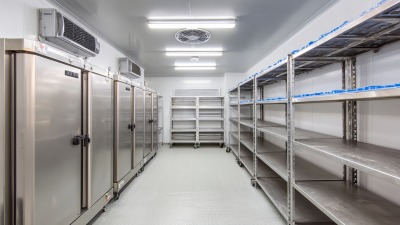
Space optimization is another crucial aspect of cold room design. Utilizing vertical space through shelving and understanding the workflow can enhance the efficiency of operations. Industry reports indicate that effective shelving systems can increase storage capacity by as much as 40%, enabling businesses to manage larger inventories without compromising on quality. Additionally, proper insulation techniques are essential to maintain temperature stability while minimizing energy loss. Utilizing high-quality insulating materials can lead to significant energy savings, with studies showing potential reductions of up to 50% in energy costs when designed properly. These considerations collectively demonstrate the importance of a well-structured cold room in supporting efficient business operations and reducing overall costs.

Best Practices for Maintaining Cold Room Efficiency

What is a Cold Room and How Does it Benefit Your Business Operations

Maintaining the efficiency of a cold room is crucial for businesses that rely on temperature-sensitive products. To achieve optimal performance, regular maintenance is essential. This includes routine inspections of insulation, seals, and doors to prevent cold air leakage, which can lead to energy loss and increased operational costs. Furthermore, ensuring that refrigeration units are functioning properly and are not obstructed by accumulated frost or debris can greatly enhance the system's efficiency.

Another best practice for maintaining cold room efficiency is effective organization and inventory management. Keeping the cold room well-organized allows for proper airflow around products, which aids in maintaining consistent temperatures. It's also important to implement a first-in, first-out (FIFO) inventory system to minimize spoilage. Monitoring temperature levels regularly using digital thermometers or monitoring systems can help identify any fluctuations early, enabling prompt actions to mitigate potential issues and ensure product safety.

Cost Implications and ROI of Implementing Cold Rooms

What is a Cold Room and How Does it Benefit Your Business Operations

Implementing a cold room can significantly impact your business operations from a cost perspective, especially for industries like food service, pharmaceuticals, and biotechnology. The initial investment in temperature-controlled storage may seem high, but the long-term savings can offset these costs. Businesses can reduce spoilage and waste of perishable goods, leading to financial savings. Additionally, a cold room enables extended product shelf life, allowing for better inventory management and reduced replenishment frequency, translating to lower operational costs.

Moreover, the return on investment (ROI) of cold rooms is often realized through increased efficiency and revenue generation. By ensuring that products are stored in optimal conditions, businesses can enhance their quality offerings, thereby attracting more customers and potentially allowing for higher pricing strategies. Businesses that implement cold rooms often experience improved compliance with health and safety regulations, reducing the risk of fines or product recalls. Consequently, the savings in lost inventory, combined with increased customer satisfaction and loyalty, contribute to a favorable ROI, making a compelling case for the integration of cold storage solutions.

The Essential Guide to Choosing the Right Freezer Unit for Optimal Cold Room Refrigeration

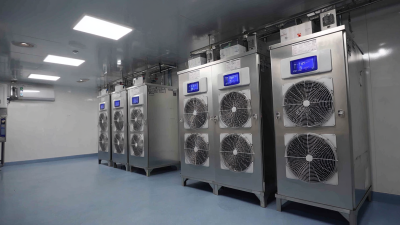
When it comes to setting up an optimal cold room refrigeration system, selecting the right freezer unit is crucial for ensuring the freshness and longevity of your products. Monoblock condensing chillers offer an excellent solution for small cold storage facilities, particularly those handling vegetables, fruits, meat, and seafood. These units provide power options ranging from 1 to 10 horsepower, allowing for flexibility in cooling capacity based on specific storage needs.

One of the standout features of these chillers is their compact design, making installation straightforward and hassle-free. Additionally, they are engineered to deliver high cooling capacity with minimal operating time, which enhances efficiency in maintaining the desired temperature for stored goods. The low noise operation means they can run effectively without causing disruption in your working environment. Coupled with dependable after-sales service, monoblock condensing chillers represent a smart investment for anyone looking to optimize their refrigeration solutions.

FAQS

: What is the primary function of cold rooms in business operations?

: Cold rooms provide temperature-controlled environments essential for preserving perishable goods, preventing spoilage, and extending product shelf life.

How do cold rooms contribute to business efficiency?

By maintaining optimal temperatures, cold rooms improve inventory management, reduce the need for frequent restocking, and enable better production planning, ultimately enhancing operational efficiency.

What types of products benefit most from being stored in cold rooms?

Perishable goods such as fruits, vegetables, dairy products, and meats benefit significantly from cold rooms, as they slow down spoilage and maintain product quality.

How can cold rooms affect waste management in businesses?

Cold rooms help reduce waste by preserving the quality of products for longer periods, which can lead to less spoilage and lower loss rates in inventory.

What are some best practices for maintaining cold room efficiency?

Regular maintenance of insulation and refrigeration units, effective organization of inventory, and monitoring temperature levels are key practices to maintain cold room efficiency.

Why is temperature monitoring important in cold rooms?

Regular temperature monitoring helps identify fluctuations that can affect product quality, enabling timely action to mitigate potential issues.

What inventory management practice can help minimize spoilage in cold rooms?

Implementing a first-in, first-out (FIFO) inventory system can help minimize spoilage and maximize the freshness of products stored in cold rooms.

How can energy costs be impacted by the use of cold rooms?

Consistent temperature control in cold rooms helps reduce energy consumption, as it prevents fluctuations that can lead to higher operational costs and equipment maintenance.

What is the recommended temperature range for cold rooms?

Cold rooms typically maintain temperatures below 0°C (32°F) to effectively slow down spoilage processes for perishable goods.

What role does proper organization play in cold rooms?

Proper organization in cold rooms ensures adequate airflow around products, helping to maintain consistent temperatures and overall product quality.

Conclusion

A Cold Room is a controlled environment designed to preserve various perishable goods, playing a crucial role in multiple industries such as food, pharmaceuticals, and biotechnology. This specialized facility helps businesses maintain product quality and extend shelf life by regulating temperature and humidity levels. Different types of Cold Rooms cater to specific operational needs, providing significant benefits such as reduced waste, improved inventory management, and enhanced compliance with health regulations.

Moreover, effective Cold Room design is essential for maximizing efficiency and functionality. Considerations such as insulation, layout, and temperature control systems are paramount. Ensuring regular maintenance and implementing best practices further contribute to the longevity and operational success of Cold Rooms. While there are cost implications associated with setting up these facilities, the return on investment can be substantial, as Cold Rooms decrease losses due to spoilage and improve overall business performance.

Emily

Emily

Emily is a dedicated marketing professional with extensive expertise in cold storage solutions. With a strong focus on one-stop services that encompass planning, design, and equipment provision, she plays a crucial role in ensuring that clients experience a seamless purchasing process. Emily's deep......
Previous Mastering the Setup: A Comprehensive Guide to Installing Condensing Unit Cold Rooms