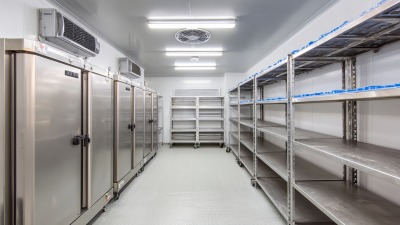
In today's world, keeping food fresh and of good quality is more important than ever. That’s where a cool, well-maintained cold room really comes in handy. It’s basically a lifesaver when it comes to storing and preserving perishable stuff. With proper temperature control, it can really help extend the shelf life of fruits, veggies, dairy, meats—you name it. For businesses like FreshKeep Solutions, the benefits of having a cold room are pretty obvious.
These specialized rooms can hold all sorts of things—fruit, vegetables, dairy products, meats—and the right environment means things stay fresh longer while spoilage slows down. But here’s the thing—if you don’t keep up with regular maintenance and check the temperatures often, even the best setup can let you down. Missing those quick checks can lead to wasted food and money, which nobody wants.
And let’s not forget, cold rooms can actually save some serious cash in the long run. Sure, setting one up might seem a bit pricey upfront, but the savings—avoiding spoiled goods and reducing waste—really add up over time. Of course, it’s not just about installing the system; it’s about staying vigilant and managing it properly. Basically, a cold room isn’t just some storage space—it’s a crucial part of running a smart, efficient food business.
Cold rooms play a crucial role in prolonging the shelf life of various foods. By maintaining a consistent low temperature, they slow down the growth of bacteria and molds. This is particularly vital for perishable items like fruits, vegetables, and dairy products. With proper storage, fresh produce can last weeks longer than it would at room temperature, retaining its nutritional value and taste.
However, the benefits of cold rooms extend beyond just longevity. Foods stored at optimal temperatures remain visually appealing. Crisp vegetables and vibrant fruits are more enticing. This can lead to reduced food waste, as consumers are more likely to use items that look fresh. Not all cold rooms are created equal, though. Worker awareness and organization can affect efficiency. If items are not properly rotated or labeled, some may spoil unnoticed.
The challenge of managing cold rooms lies in ensuring consistency. Occasionally, fluctuations in temperature can occur. Regular monitoring is vital. When temperatures rise, even briefly, food quality can degrade. Therefore, while cold rooms are essential for food preservation, their effectiveness relies heavily on diligent management.
When it comes to food storage, temperature control is crucial. Different types of food require specific temperature ranges to maintain freshness. For instance, most fruits and vegetables thrive between 32°F to 41°F (0°C to 5°C). Cooling these items effectively helps to slow down spoilage. However, if temperatures drop below freezing, some produce may suffer from cellular damage, leading to loss of texture and flavor.
Meat, on the other hand, necessitates stricter temperature maintenance. Industry guidelines often recommend storing beef, pork, and poultry at temperatures below 40°F (4°C) to minimize the risk of bacterial growth. Interestingly, studies show that bacteria can double in number approximately every 20 minutes at room temperature. Therefore, using a cold room aids in preserving meat quality over extended periods.
Dairy products also have strict requirements. Keeping them at around 34°F to 38°F (1°C to 3°C) extends shelf life. However, many users fail to monitor these temperatures closely. This oversight could lead to spoilage and waste, impacting both safety and cost-effectiveness. Using a cold room for precise temperature control can help mitigate such risks, yet many still grapple with maintaining consistent conditions.
Cold storage significantly impacts food waste reduction in the supply chain. By maintaining a stable, low temperature, food remains fresh for a longer time. This helps to decrease spoilage during transportation and storage. It’s a vital step toward sustainability in the food industry. The right storage conditions can extend the shelf life of perishable items.
Tips: Regularly monitor temperature levels. Ensure that the cold room is well-insulated to maintain efficiency.
Many businesses underestimate the importance of effective cold storage. A lack of proper equipment can lead to losses. It’s essential to invest in reliable cold storage solutions. This not only reduces waste but also positively affects profit margins. Food that spoils quickly results in more waste. It can also affect consumer trust and satisfaction.
Tips: Train staff on best practices for food handling. Use clear labeling to track expiration dates on products.
Embracing better cold storage practices can redefine how businesses handle food products. Small changes can lead to significant savings in waste. The challenge lies in consistently maintaining those well-established practices. Understanding this impact is crucial for any organization in the food supply chain.
When comparing cold rooms with traditional refrigeration, energy efficiency stands out as a key advantage. Cold rooms often have better insulation. This insulation minimizes energy loss, reducing operational costs significantly. For businesses that store large quantities of food, this can translate to substantial savings over time. The controlled environment within cold rooms keeps temperatures steady, unlike conventional fridges that cycle on and off.
However, cold rooms require a higher initial investment. This may deter some users. Calculating long-term savings is crucial before making a decision. The potential for savings should be assessed against the upfront costs. It's important to consider the size of your food inventory and turnover rate. A larger operation will benefit more from the energy efficiency of a cold room. Yet, the transition might be daunting for smaller businesses.
Maintenance plays a vital role in energy efficiency as well. Neglecting regular upkeep can lead to inefficiencies. Cold rooms, if not properly maintained, can lose their benefits. Users must stay vigilant to ensure immediate issues do not escalate. Balancing cost, efficiency, and maintenance needs careful thought. In many cases, the benefits of cold rooms become evident only through experience and reflection on energy usage patterns.
This bar chart compares the energy consumption of Cold Rooms and Traditional Refrigeration systems, showcasing the significant energy efficiency advantage of using Cold Rooms for food storage and preservation.
Cold rooms are essential for food safety. They provide a controlled environment that can significantly reduce bacterial growth. Lower temperatures slow down the activity of pathogens, helping to keep food fresh. When food is stored at appropriate temperatures, the risk of foodborne illnesses decreases. For example, meat and dairy products benefit greatly from cold storage.
However, not all cold rooms are created equal. A poorly maintained cold room can become a breeding ground for bacteria. It’s crucial to regularly monitor temperature settings and ensure that the space is clean. This responsibility can sometimes be overlooked, leading to potential health risks. Small lapses in hygiene can have big consequences, reminding us that vigilance is key.
In addition to temperature control, proper air circulation is vital. Stagnant air can allow bacteria to thrive, undermining the safety of stored food. It’s important to check airflow regularly. Even minor adjustments can make a difference. There’s always room for improvement in maintaining a cold room’s conditions. Regular training for staff on best practices can help keep food safe and reduce waste.
When it comes to cold room storage, adhering to industry standards is crucial. These regulations ensure that food remains safe and fresh. Temperature control is a key factor in these guidelines. For most perishable items, temperatures should be maintained below 4°C (39°F). This prevents bacterial growth, which can pose health risks.
Proper ventilation is another important aspect. Cold rooms need good air circulation to maintain uniform temperatures. This can be a challenge, especially in busy storage facilities. Regular monitoring of temperature and humidity levels is essential. This ensures compliance with health and safety standards. Neglecting these can lead to spoilage or contamination of food items.
Training staff on these practices is often overlooked. Many workers may not fully understand the importance of these protocols. They may skip vital steps in the storage process. It impacts food quality and safety. Investing time in training can help reinforce these standards, leading to better outcomes.
Cold rooms are essential for preserving food and maintaining quality. Recent technological innovations significantly enhance their efficiency. Advanced sensors and monitoring systems now provide real-time data on temperature and humidity. This allows for better control over the storage environment. Ensuring that food items remain fresh for longer periods becomes much easier.
To maximize the benefits of a cold room, consider these tips. Regularly check the calibration of your temperature sensors. Ensure that they are accurate to avoid food spoilage. Investing in backup power sources can also save your inventory during outages. Additionally, regular maintenance is crucial. Inspect the insulation and seals to avoid energy loss.
You might also rethink your storage layout. Organizing items by type or usage frequency can improve airflow. It can lead to better cooling efficiency. However, even the best systems can fail. Be prepared with a contingency plan, just in case. It's important to stay vigilant and proactive when it comes to food storage.
When it comes to efficient solutions for commercial freezing, monoblock condensing units stand out as a top choice for small cold storage facilities. These units are particularly well-suited for storing a variety of perishable goods such as vegetables, fruits, meat, and seafood. They come with power options ranging from 1 to 10 horsepower, allowing businesses to select a unit that fits their specific cooling capacity needs. The compact design of these machines makes installation a breeze, which is essential for businesses looking to maximize their operational efficiency without extensive downtime.
In addition to their ease of installation, monoblock condensing units are known for their exceptional performance. They provide high cooling capacity while maintaining low energy consumption, ensuring that perishable items remain fresh without incurring excessive operational costs. The low noise levels during operation make these units an ideal choice for environments where ambient sound levels matter. Furthermore, the robust after-sales support serves as an assurance that users will have access to maintenance and assistance when needed, enhancing the overall value of choosing monoblock condensing units for commercial freezing applications.
: The product aims to enhance everyday experiences. It offers specific solutions to common challenges.
Follow the instructions provided. Proper usage ensures optimal performance and satisfaction.
Yes, it can be versatile. Many users find creative ways to adapt it for various needs.
Some users report minor difficulties with setup. Others mention occasional performance inconsistencies.
Generally, a limited warranty is available. However, the details may vary and should be checked.
Reach out for customer support. They can help troubleshoot and guide you through solutions.
Yes, certain usage guidelines exist. It's important to read them to avoid potential issues.
Many channels are available for feedback. User reviews and surveys can help improve future iterations.
It depends on the specific product features. Some models are designed for indoor use only.
Yes, regular cleaning is advised. This can prevent issues and extend the product's lifespan.
Cold rooms offer numerous benefits for food storage and preservation, significantly extending the shelf life and freshness of perishable items. By maintaining optimal temperature ranges tailored to specific foods, cold rooms help minimize spoilage and reduce food waste throughout the supply chain. Additionally, their energy efficiency compared to traditional refrigeration methods allows for cost-effective operation while supporting sustainable practices.
Moreover, cold rooms play a crucial role in food safety, effectively controlling bacteria growth and ensuring compliance with industry standards and regulations. Technological innovations in cold room design and monitoring enhance their performance, making them an indispensable asset in modern food storage solutions. Overall, utilizing cold rooms not only preserves the quality of food but also contributes to a more efficient and safe food supply system.