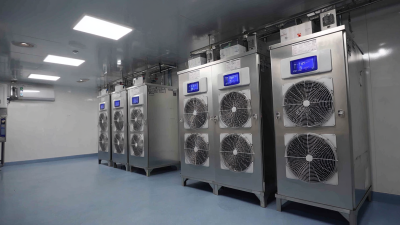
Lately, The Cold Rooms have really started to catch on across different industries. These spaces are pretty cool—they offer temperature-controlled environments that can be used for all sorts of things. Whether it's preserving delicate artworks or storing fancy gourmet foods, their flexibility is honestly impressive. More and more, businesses and art collectors are seeing how useful they can be.
By 2026, the buzz around The Cold Rooms seems to mirror a bigger trend—people are more into sustainability and high quality. Companies like CoolSpace Innovations have been leading the pack with designs that focus on saving energy and allowing for customization. It’s pretty amazing how a room can be both practical and stylish at the same time.
That said, it’s not all rainbows and sunshine. Setting up these rooms can be pricey upfront, and some folks have mentioned that maintenance and energy bills can get pretty steep. There’s definitely still room for tech improvements and smarter designs. But as society keeps adopting The Cold Rooms, these challenges can hopefully inspire new innovations and make the experience better for everyone.

What Are Cold Rooms: Definition and Basic Concept
Cold rooms are specialized spaces designed for temperature-sensitive items. These rooms maintain low temperatures for optimal preservation. In 2026, their popularity surged, mainly within the food and pharmaceutical industries. A recent report by industry analysts estimates the global cold storage market will reach $112 billion by the year's end. This growth reflects increased demand for perishable goods, particularly in urban areas.
Many businesses embrace cold rooms for inventory management. For instance, fresh produce and vaccines require strict temperature controls. A well-designed cold room can reduce spoilage rates by 30% or more. However, implementing such facilities poses challenges, like high initial costs and energy consumption. Efficient design is crucial for minimizing these issues.
Tips: Always consult with experts before installation. Consider sustainable materials and energy-efficient systems. Regular maintenance is essential to prevent equipment failures. Be aware of regulations regarding temperature monitoring. Understand your specific needs before investing in a cold room.
The Evolution of Cold Rooms: A Historical Perspective
Cold rooms, once a niche solution, have undergone significant evolution since their inception. Initially designed for storing perishables, their function has expanded vastly. Reports indicate that the cold storage industry is projected to reach $150 billion by 2026. This growth reflects increased demand across various sectors, including pharmaceuticals and food distribution. The impact of climate change has also urged businesses to innovate in preserving products longer.
The traditional cold room consists of insulated walls and refrigeration units. However, recent advancements include energy-efficient cooling systems and smart technology integration. Over the years, the regulatory landscape has tightened too. Temperature monitoring is now mandatory in many sectors to ensure quality control. This shift toward compliance often leads to improvements in operational efficiency.
**Tips: Consider how much space you need before investing. Not all businesses require large cold rooms. Small modifications can often yield significant results. Audit your current processes; inefficiencies may indicate the need for better solutions.**
Growth of Cold Rooms: 2020-2026
This chart illustrates the rapid growth of cold room installations from 2020 to 2026. As we see, the demand for cold rooms has significantly increased, reflecting their rising importance in various industries such as food storage, pharmaceuticals, and climate-controlled environments.
Key Features and Technologies Behind Modern Cold Rooms
Cold rooms are gaining attention in 2026 due to their essential role in numerous industries. These specialized spaces maintain controlled temperatures for storing perishable goods. With the global cold chain market projected to reach $500 billion by 2027, the demand for efficient cold storage solutions is undeniable.
Modern cold rooms feature advanced insulation materials, which enhance energy efficiency. High-density polyurethane foam is commonly used for walls and ceilings. This material can reduce energy use by up to 30%. Moreover, state-of-the-art refrigeration systems ensure stable temperatures, contributing to food safety. According to the Food and Agriculture Organization, roughly one-third of food produced is lost or wasted. Effective cold storage could mitigate this issue significantly.
Technology also plays a key role in cold room designs. IoT sensors monitor temperature and humidity levels in real-time. This data facilitates prompt interventions when deviations occur. A report from MarketsandMarkets indicates that the smart cold chain market is expected to grow at a CAGR of 12.5% from 2021 to 2026. However, the cost of implementing such technologies can be high. Businesses must weigh the benefits against the initial investments. This balance is crucial for long-term sustainability in operations.
Benefits of Cold Rooms in Various Industries
Cold rooms are gaining popularity in various industries. These specialized environments are designed to maintain low temperatures for storage and processing. They find applications in food preservation, pharmaceuticals, and even technology sectors. The precise temperature control helps in preserving the quality and extending the shelf life of products.
In the food industry, cold rooms are essential. They store perishable items like meat and dairy. This storage method reduces waste and ensures safety. However, improper usage can lead to spoilage if the temperature fluctuates. The pharmaceutical sector also benefits significantly. Vaccines need strict temperature controls to remain effective. A small mistake can compromise patient safety.
The rise of cold rooms highlights the importance of efficiency. Industries are constantly seeking ways to optimize their processes. Yet, the technology isn't perfect. There are ongoing issues with energy consumption and maintenance. Businesses must consider sustainability alongside the much-needed temperature stability. Finding the balance will require ongoing innovation and reflection.
What Are The Cold Rooms and Why Are They Trending in 2026? - Benefits of Cold Rooms in Various Industries
| Industry |
Key Benefits |
Temperature Ranges (°C) |
Applications |
| Food Industry |
Preservation of perishable goods, extended shelf life |
-20 to 0 |
Meat, dairy products, fruits, vegetables |
| Pharmaceuticals |
Maintains stability of medications, compliance with regulations |
2 to 8 |
Vaccines, biologics, temperature-sensitive drugs |
| Floral Industry |
Enhances flower longevity, reduces waste |
0 to 5 |
Cut flowers, plants, floral arrangements |
| Chemical Industry |
Stabilizes volatile compounds, ensures product quality |
-10 to 5 |
Specialty chemicals, adhesives, coatings |
| Technology |
Protects sensitive equipment, enhances performance |
10 to 15 |
Data centers, electronic components, sensitive machinery |
Factors Driving the Popularity of Cold Rooms in 2026
Cold rooms are gaining immense popularity in 2026. Various factors are driving this trend. One key reason is the rising demand for fresh produce and pharmaceuticals. According to a recent industry report, the cold storage market is expected to grow by over 10% annually. This growth points to a heightened awareness of food safety and quality.
In addition, the need for sustainable practices cannot be ignored. Many businesses are adopting cold rooms to reduce waste. Cold storage technology is becoming more energy-efficient. Some reports show that efficient cold rooms can reduce energy costs by up to 30%. This is attractive for businesses trying to cut expenses and minimize their carbon footprint.
However, challenges exist. Not all companies can afford the high initial investment in cold storage facilities. Additionally, the maintenance of these systems can be complex and costly. The industry must address these challenges to ensure continued growth. The balance between quality and cost remains a critical conversation among stakeholders in the cold storage sector.
Future Trends and Innovations in Cold Room Designs
Cold rooms are increasingly becoming essential in various sectors. Their design continues to evolve, driven by innovations in technology. The trend towards sustainability is particularly noteworthy. Cold rooms are now being designed with energy efficiency in mind. Advanced insulation materials help maintain internal temperatures while reducing energy loss.
In addition, the integration of smart technology is changing how cold rooms operate. IoT devices allow for real-time temperature monitoring. This can prevent spoilage and ensure optimal storage conditions. However, there are challenges. Not all businesses can afford the latest technology, which raises access issues.
Another notable trend is the aesthetic appeal of cold rooms. Many designs now prioritize visual attractiveness. This can make a space feel less sterile and more inviting. The blending of functionality and style poses questions. Can we ensure efficiency while creating a pleasant environment? Balancing these aspects remains a work in progress. Cold rooms are not just about keeping things cold anymore; they reflect evolving standards and preferences in modern design.
Environmental Impact and Sustainability Considerations in Cold Rooms
Cold rooms are gaining popularity in 2026. Their role in sustainability is becoming more vital. These rooms offer efficient storage solutions, especially for perishables. Reports indicate that they can reduce food waste by up to 40%. However, this benefit comes with environmental costs.
Energy consumption is a critical issue. Cold rooms require significant energy to maintain optimal temperatures. A study by the International Energy Agency hints that refrigeration accounts for nearly 17% of global electricity use. This raises concerns about the carbon footprint associated with prolonged usage. While advancements in energy-efficient technologies exist, not all setups utilize them.
Water usage and refrigerant impact are other challenges. Many cold rooms depend on traditional refrigerants that are harmful to the ozone layer. The transition to eco-friendly alternatives is slow. Industry reports show that adopting natural refrigerants could potentially cut greenhouse gas emissions by 60%.
Adopting cold rooms isn’t a one-size-fits-all solution. Each setup must consider its local context and environmental impact. Balancing efficiency with sustainability remains an ongoing challenge in the industry.
Maximizing Freshness: The Importance of Flower Storage Cold Rooms for Florists and Distributors
In the floral industry, maintaining the freshness of flowers is paramount for both florists and distributors. This is where the significance of specialized cold rooms becomes evident. These cold rooms are meticulously engineered to regulate temperature and humidity levels, ensuring flowers remain vibrant and appealing. The ideal storage conditions are critical, as prolonged exposure to unfavorable environments can lead to wilting and decay, ultimately impacting both aesthetic value and customer satisfaction.
Moreover, the airflow in these cold rooms is carefully controlled to further enhance the preservation of flower petals. Proper air circulation prevents the buildup of excess moisture and helps maintain an even temperature, which is essential for prolonging the life of floral arrangements. By investing in efficient cold room systems, florists can ensure that their products not only stay fresh but also retain their beauty, allowing them to meet the demands of their customers and deliver stunning displays for various occasions. Implementing such measures is essential for any florist looking to maximize quality and satisfaction.
FAQS
: The product is designed to enhance daily convenience. It aims to simplify tasks for users.
Anyone seeking efficiency can benefit. Busy individuals may find it particularly useful.
Yes, clear instructions are provided. Following them ensures optimal performance and results.
If issues arise, refer to the troubleshooting guide. Consider reaching out for support as well.
Usage frequency depends on individual needs. Assess your routine to find the best schedule.
Compatibility varies with different items. Some may work well together, while others may not.
Side effects are rare, but not impossible. Pay attention to your body’s response.
Regular maintenance is key for longevity. Neglecting it may lead to decreased effectiveness.
Yes, returns are accepted under certain conditions. Review the policy for specifics before purchasing.
Reflect on your usage first. If dissatisfaction persists, consider the support options available.
Conclusion
The Cold Rooms are specialized environments designed to maintain low temperatures for various applications, ranging from food storage to pharmaceuticals. Historically, these rooms have evolved significantly, integrating advanced technologies to enhance efficiency and energy management. Today, the key features of modern cold rooms include improved insulation, smart temperature controls, and sustainable refrigeration systems, addressing the needs of diverse industries.
As we move into 2026, the popularity of cold rooms is driven by factors such as the growing demand for fresh produce, increased regulatory requirements for food safety, and the need for energy-efficient solutions. Future trends indicate a focus on innovative designs and technologies aimed at minimizing environmental impact, enhancing sustainability, and optimizing operational performance. The Cold Rooms will continue to play a crucial role in meeting these evolving demands while contributing to a more sustainable future.