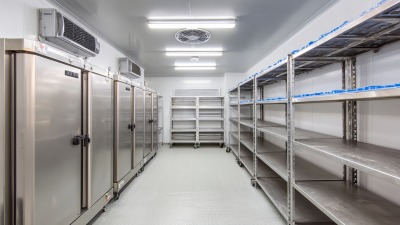
When it comes to keeping perishable goods fresh and maintaining quality, a good coldroom is pretty much a must for any thriving business. Think of it as a controlled environment that not only keeps your products fresh but also helps everything run smoother—whether you’re in the food, beverage, or even pharma game. But setting up a coldroom isn’t just about technical specs; you’ve got to plan carefully and think about what really works for your specific needs.
In this guide, I’m sharing ten key tips to help you set up coldrooms that fit your business perfectly. We’ll cover everything from keeping the temperature just right, making the most of your space, to saving energy—and trust me, all these little details really add up to ensure your coldroom runs like a well-oiled machine. Follow these tips, and you’ll be better equipped to protect your inventory and boost profits. Honestly, in today’s market, having a solid coldroom setup is more important than ever to stay ahead of the game.

Understanding the Purpose and Importance of Coldrooms in Business
Coldrooms play a pivotal role in various businesses, particularly in the food and pharmaceutical industries. Their primary purpose is to provide a controlled environment where temperature-sensitive products can be stored safely. By maintaining specific temperature ranges, coldrooms prevent spoilage and maintain the quality of perishable goods. This is essential not only for compliance with health regulations but also for ensuring customer satisfaction and trust in the products being offered.
The importance of coldrooms extends beyond mere storage; they are critical for inventory management and operational efficiency. By optimizing the conditions in which products are kept, businesses can extend shelf life, reduce waste, and enhance overall productivity. Furthermore, with the increasing demand for fresh and organic products, having well-functioning coldrooms is fundamental to meeting market expectations. Properly set-up coldrooms can also streamline logistics, making it easier to manage stock and turnover effectively, ultimately contributing to the success and sustainability of a business.
Coldroom Efficiency Metrics
Key Factors to Consider When Choosing Coldroom Location
When choosing the location for a coldroom, it is crucial to consider factors that will impact both efficiency and functionality. One primary aspect is the proximity to the supply chain. Selecting a location that minimizes the distance between incoming products and their storage area can significantly reduce transport time and potential temperature fluctuations. This proximity not only helps maintain product integrity but also enhances overall operational efficiency, as workers can quickly access supplies when needed.
Another important consideration is the ambient environment around the coldroom. Locations that experience extreme temperature variations can pose challenges to maintaining the desired internal climate. It is wise to select a site that is shielded from direct sunlight and other heat sources, which can compromise the coldroom’s performance. Additionally, ensuring adequate ventilation and accessibility for maintenance is essential. This approach not only facilitates routine inspections and repairs but also reinforces a consistent temperature control system, protecting the valuable inventory stored within.
Essential Equipment and Technology for Effective Coldrooms
When setting up effective coldrooms for your business, selecting the right equipment and technology is crucial. At the forefront of this selection is the refrigeration system, which needs to be both efficient and reliable. High-quality compressors, condensers, and evaporators are integral to maintaining the desired temperature and humidity levels within the coldroom. Additionally, choosing the right insulation materials will help minimize energy loss, thereby reducing operational costs and enhancing sustainability. Temperature control systems, such as digital thermostats and monitoring devices, are essential to maintain consistent conditions and automate adjustments when needed.
Another critical aspect is the layout and shelving within the coldroom. Utilizing adjustable racks and shelves allows for optimal organization and access to stored items while ensuring good airflow and temperature distribution. Implementing technology solutions like RFID tagging for inventory management can significantly improve tracking and reduce waste. Furthermore, advanced monitoring systems that alert you to temperature fluctuations can prevent spoilage and ensure food safety. By focusing on robust equipment and intelligent technology, businesses can enhance the functionality and efficiency of their coldroom operations.
Best Practices for Insulation and Temperature Control
When setting up cold rooms in a business, proper insulation and temperature control are paramount to maintaining the integrity of perishable goods. According to research by the Global Cold Chain Alliance, improper insulation can lead to energy losses of up to 30%, significantly impacting utility costs and product viability. Therefore, investing in high-quality insulation materials is crucial. Ensure that walls, ceilings, and floors are effectively insulated to prevent heat transfer. Polyurethane foam insulation, for instance, is widely recommended due to its superior thermal resistance.
To optimize temperature control within your cold room, consider implementing advanced monitoring systems that provide real-time data on temperature and humidity levels. Studies show that maintaining the temperature within the designated range can reduce spoilage rates by as much as 10%. Additionally, incorporating temperature zoning can help in efficiently managing different storage requirements for various products. Regular maintenance checks are also essential to ensure that cooling systems are functioning at their peak efficiency, as neglect could lead to equipment failure and loss of stored goods.
When setting up your cold room, always prioritize adherence to industry best practices. Utilize energy-efficient cooling technologies to not only maintain optimal temperatures but also to lower operational costs. Train employees on the importance of proper loading techniques and airflow patterns to enhance cooling efficiency. Regular training not only fosters a culture of responsibility but also helps minimize the risk of temperature fluctuations that can compromise product quality.
Routine Maintenance and Cleaning Procedures for Coldrooms
Routine maintenance and cleaning procedures are crucial for maintaining the efficiency and safety of coldrooms in any business. Regular inspections should be conducted to ensure that the refrigeration units are functioning correctly and that the temperature remains consistent. Checking the seals on doors and ensuring they close properly prevents cold air from escaping, which can lead to energy inefficiencies and spoilage of stored products. Additionally, monitoring condensation levels within the coldroom can help prevent the growth of mold and bacteria, which is essential for keeping the environment clean and healthy.
In terms of cleaning, it is recommended to develop a comprehensive schedule that outlines daily, weekly, and monthly tasks. Daily cleaning should focus on removing any spills and debris that may accumulate, while weekly tasks could include a more thorough wiping down of surfaces with appropriate sanitizing agents. Monthly maintenance should extend to checking and cleaning the interior of the coldroom, including shelves and walls, to prevent any potential contamination risks. By adhering to a rigorous routine maintenance and cleaning plan, businesses can enhance the longevity of their coldroom facilities while ensuring compliance with health and safety standards.
Staff Training and Safety Guidelines for Coldroom Operations
When it comes to the effective operation of coldrooms in any business, staff training and safety guidelines are paramount. Employees should be well-versed in the principles of temperature control, the importance of maintaining the integrity of perishable goods, and the specific protocols for using cold storage facilities. Comprehensive training programs should cover not only the technical aspects of handling coldroom equipment but also best practices in personal hygiene and hygiene management to ensure that the environment remains sterile and safe.
Safety guidelines should be clearly outlined and made accessible to all team members. This includes emergency procedures in case of power outages or equipment failures, as well as proper handling techniques to prevent injuries while managing heavy loads or dealing with ice and cold surfaces. Regular safety drills and refreshers on these protocols can help reinforce the importance of safety in coldroom operations. A culture of awareness and preparedness can significantly reduce risks, ensuring that staff feel confident and informed when working in these critical environments.
Energy Efficiency Strategies to Optimize Coldroom Performance
Energy efficiency is crucial when setting up coldrooms for businesses, especially considering that these facilities can account for a significant portion of a company's energy expenditure. According to the U.S. Department of Energy, refrigeration and cold storage can make up about 20-30% of a commercial establishment’s total energy use. Therefore, implementing energy-efficient strategies not only reduces operational costs but also contributes to sustainability efforts.
One effective strategy is to utilize advanced insulation materials to minimize heat transfer, thereby maintaining optimal internal temperatures without excessive energy consumption. Studies show that high-performance insulation can reduce energy usage in cold storage facilities by up to 40%. Additionally, integrating energy management systems can help businesses monitor and optimize energy consumption, allowing for real-time adjustments that improve efficiency. For instance, smart sensors can control lighting and temperature settings based on occupancy and external weather conditions, further enhancing overall performance.
Moreover, selecting energy-efficient refrigeration systems, such as those employing variable speed drives, can lead to significant energy savings. According to a report from the International Institute of Refrigeration, upgrading to more efficient refrigeration technology can yield energy savings of 15-30%, translating to lower utility bills and reduced environmental impact. Implementing these strategies not only improves coldroom performance but also positions businesses as leaders in energy efficiency within their sectors.
FAQS
: The primary purpose of coldrooms is to provide a controlled environment where temperature-sensitive products can be stored safely, preventing spoilage and maintaining the quality of perishable goods.
Coldrooms are important because they help with compliance with health regulations, ensure customer satisfaction, and contribute to inventory management and operational efficiency by extending shelf life and reducing waste.
Coldrooms optimize the conditions for storing products, which enhances operational efficiency, reduces waste, and can help streamline logistics for better stock and turnover management.
Key considerations include proximity to the supply chain to reduce transport time and temperature fluctuations, the ambient environment to avoid extreme temperature variations, and ensuring adequate ventilation and accessibility for maintenance.
Selecting a location close to the supply chain minimizes transport time and potential temperature fluctuations, thereby helping to maintain product integrity.
Shielding a coldroom from direct sunlight is important because exposure to heat sources can compromise the coldroom’s performance and the ability to maintain the desired internal climate.
A properly set-up coldroom can enhance productivity, meet market expectations for fresh products, and contribute to the overall success and sustainability of a business.
Adequate ventilation is essential for maintaining a consistent temperature control system, facilitating routine inspections, and ensuring effective maintenance, protecting the valuable inventory stored within.
Conclusion
Coldrooms play a vital role in maintaining the quality and safety of temperature-sensitive products within various businesses. Understanding their purpose helps in recognizing their importance in sectors such as food service, pharmaceuticals, and more. Selecting an optimal location for coldrooms involves assessing factors like accessibility, temperature consistency, and space efficiency. Essential equipment, including refrigeration units and monitoring systems, must be chosen based on specific business needs to ensure effective functionality.
Implementing best practices for insulation and temperature control is critical to prevent energy wastage and ensure proper storage conditions. Regular maintenance and cleaning procedures help in prolonging the lifespan of coldrooms. Furthermore, staff training is essential for safe operations, ensuring that employees are knowledgeable about safety guidelines and operational protocols. Lastly, adopting energy efficiency strategies can significantly optimize coldroom performance, benefiting both the environment and the business's bottom line.