Welcome to our websites!
0%

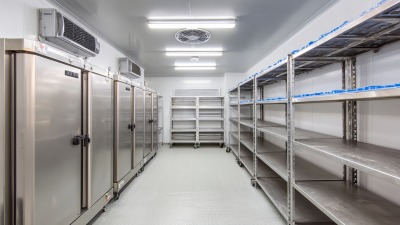
Walk-in refrigerators are a must-have for businesses that rely on steady, reliable cooling. Keeping these systems well-maintained is key to making sure they work efficiently and last a long time. Since temperatures can fluctuate, it's really important to know how to keep them running at their best.

Something as simple as regularly checking the seals and gaskets can do wonders—loose seals can cause air leaks, and even tiny ones can waste a lot of energy. Don’t forget, giving the unit a good clean can really help improve airflow, but honestly, it’s often overlooked. Another common mistake is overstuffing the fridge; it might seem like a smart move, but it actually makes cooling less effective.

Getting your staff trained properly is also a smart idea. They should know how to operate the system correctly—yet, surprisingly, lots of places skip this step. Also, doing a quick performance check each month can help catch potential issues before they turn into big problems. It’s all about staying ahead of the game instead of waiting for things to break down. These simple tips might seem small, but they can really improve how well your walk-in fridge works and help keep your products cool and fresh every day.

Essential Walk In Refrigeration Tips for Efficient Cooling?

Understanding Walk-In Refrigeration Systems and Their Components

Walk-in refrigeration systems are crucial for many businesses, especially in the food industry. They typically consist of several key components: the compressor, evaporator, condenser, and insulated enclosure. The compressor is essential. It circulates refrigerant, helping to maintain low temperatures. Reports suggest that nearly 50% of energy costs for refrigeration come from these compressors. It's vital to ensure they operate efficiently.

The evaporator removes heat from the interior. Proper airflow is critical here. If the airflow is blocked, cooling inefficiency could occur. For example, dirty coils can lead to a 30% reduction in efficiency, increasing operating costs. Inspecting coils should be routine, yet many overlook this step.

Insulation is another critical factor. High-quality insulation reduces heat gain and helps maintain temperature stability. Poor insulation can lead to condensation issues. This not only wastes energy but can also harm stored products. Regular checks on insulation integrity are often neglected but are essential for efficient operation. Monitoring these components ensures optimal performance and minimizes unnecessary expenses.

Essential Walk In Refrigeration Tips for Efficient Cooling

Component Function Maintenance Tips Efficiency Impact
Compressor Circulates refrigerant and cools the system Regularly check for leaks and clean coils High efficiency when well-maintained
Evaporator Fan Moves cool air through the walk-in Keep fan blades clean and check motor function Essential for maintaining uniform temperature
Thermostat Monitors and regulates the temperature Calibrate regularly for accurate readings Crucial for energy savings and optimal cooling
Insulation Reduces thermal exchange with outside Inspect for wear and damage periodically Directly influences cooling efficiency
Drain Line Removes condensation to prevent water buildup Clean to prevent blockages and ensure proper flow Prevents premature wear and system failure

Importance of Proper Walk-In Refrigerator Size for Efficiency

Choosing the right size for a walk-in refrigerator is crucial for optimal efficiency. A unit that is too large can lead to wasted energy. Studies show that undersized units can struggle to maintain temperature. According to the U.S. Department of Energy, a walk-in cooler operating inefficiently can lead to energy costs that are 50% higher than they should be.

Proper sizing ensures consistent temperatures throughout the space. When the airflow is disrupted due to excess space, it can result in hot spots. Hot spots compromise food safety. On the other hand, too small a unit can cause frequent cycling. This increases wear on the compressor, leading to expensive repairs. Many businesses underestimate the power of proper sizing.

Routine checks on refrigerator usage and temperature can reveal inefficiencies. Monitoring energy consumption is essential. A well-sized walk-in refrigerator can improve energy efficiency by up to 30%. Companies often overlook these details, leading to higher costs in the long run. An investment in the right size today can yield significant savings.

Key Temperature Settings for Optimal Cooling Performance

Essential Walk In Refrigeration Tips for Efficient Cooling?

To ensure optimal cooling performance in walk-in refrigeration, precise temperature settings are crucial. Keeping the temperature between 34°F and 38°F is generally ideal for perishable products. This range prevents spoilage while maintaining freshness. Monitoring this range regularly can help avoid temperature fluctuations that affect food quality.

Tip: Regularly calibrate your thermostat. Calibration checks can reveal minor deviations that may lead to significant issues. Even a degree higher than recommended can impact how long your goods stay fresh. It’s a task that often gets overlooked.

Another important aspect is airflow. Ensure that air vents are not blocked. Proper airflow aids in maintaining consistent temperatures. If the airflow is obstructed, certain areas may warm up quickly, leading to spoilage.

Tip: Regular cleaning of coils is essential. Dust and debris can hinder performance. Cleaning these areas not only boosts efficiency but also extends the unit's lifespan. Over time, dirt can accumulate, creating a need for repairs that could have been avoided.

Regular Maintenance Practices for Walk-In Refrigeration Units

Regular maintenance of walk-in refrigeration units is crucial for efficiency. Keeping the condenser coils clean enhances cooling performance. Dust and grime can accumulate. This reduces airflow and strains the compressor. Regular cleaning with a gentle brush can prevent these issues. Many overlook this simple task.

Checking the door seals is equally important. Worn or damaged seals lead to cold air escaping. This raises energy costs and affects internal temperatures. A quick inspection can reveal leaks. If seals need replacing, it can be done easily. Ignoring them can result in larger problems.

Temperature monitoring is essential for proper operation. Regularly check internal thermometers for accuracy. Fluctuations might indicate issues. It’s vital to address these signs early. Poor temperature management can spoil stored goods. Small adjustments can make a big difference. Stay vigilant to keep your unit running smoothly.

Essential Walk In Refrigeration Tips for Efficient Cooling

This bar chart illustrates the importance levels of various maintenance practices for walk-in refrigeration units. Proper attention to temperature monitoring, seal integrity, regular cleaning, door insulation, and ventilation can significantly enhance the efficiency of cooling systems.

Common Issues and Troubleshooting Tips for Walk-In Refrigerators

Walk-in refrigerators are crucial for many businesses. However, they often face common issues that can reduce efficiency. A study by the U.S. Department of Energy found that improper maintenance can decrease cooling efficiency by up to 30%. One common problem is door seals. If they are damaged, cool air leaks out. This forces the system to work harder, increasing energy costs. Regularly check seals and replace them if worn.

Condensation buildup is another frequent issue. It often occurs when the humidity levels are too high. A report from the International Institute of Refrigeration highlights that high humidity can decrease efficiency by 10 to 15 percent. Regularly monitor humidity levels and ensure proper ventilation. It's also essential to clean evaporator coils. Dirty coils can impede airflow and lead to poor cooling performance.

Lastly, unusual noises from the unit can indicate internal problems. Strange sounds may be a sign of failing components. Many businesses overlook this issue, allowing minor problems to escalate. Paying attention to these sounds can save money in repairs. Regular inspections and maintenance are key. Simplifying processes can improve overall performance.

Energy Efficiency Tips to Reduce Cooling Costs

When it comes to walk-in refrigeration, energy efficiency is crucial. According to the U.S. Department of Energy, refrigeration can consume up to 50% of a facility's energy. Simple adjustments can make a substantial difference. For instance, proper insulation can help maintain internal temperatures, reducing workload on the compressor. Maintaining door seals is another critical factor. A faulty seal can let cold air escape, leading to energy waste.

Regular maintenance is essential for efficient cooling. Cleaning condenser coils at least twice a year can improve performance by 20%, according to industry reports. Monitoring temperature settings can also yield savings. Setting your thermostat to the optimal level, around 35°F for walk-ins, can reduce energy costs without compromising food safety.

Consider the placement of your refrigeration unit as well. If it’s near heat sources, it will work harder. This not only increases energy consumption but also decreases the lifespan of your unit. Reflecting on these areas can reveal where improvements are needed. Simple changes can lead to noticeable savings and improve operational efficiency in the long run.

Best Practices for Organizing Walk-In Refrigeration Space

Organizing a walk-in refrigeration space is crucial for efficiency. Start by decluttering the area. Remove any unnecessary items. Focus on what you really need in the space. It’s easy to lose track of items over time. This not only wastes space but also makes it harder to find essential products.

Labeling is a simple yet effective way to maintain organization. Use clear, visible labels for shelves and bins. This way, anyone can quickly locate items. It might seem tedious, but it greatly reduces time spent searching. Consider creating zones based on items' temperature requirements. Keep dairy in one area and meats in another. Simple distinctions can prevent cross-contamination.

Regular audits of your inventory can be revealing. Check for expired items and remove them promptly. This step often highlights over-purchasing habits. Reflect on how often you truly need certain products. Adjust orders based on actual usage. A mindful approach can optimize your refrigeration space and improve efficiency in the long run.

Innovative Solutions in Refrigeration: The Role of China Manufacture Evaporative Condensers and Condensing Units

In today's industrial refrigeration landscape, innovative solutions are essential for enhancing efficiency and sustainability. Evaporative condensers play a crucial role in this domain, providing reliable performance while minimizing energy consumption. These systems utilize the principle of phase change to effectively manage heat transfer, allowing for superior cooling capabilities compared to traditional cooling towers. With options for both countercurrent flow and mixed flow configurations, evaporative condensers are designed to meet the diverse needs of various applications.

The design of these condensers takes into account the unique challenges of industrial refrigeration, making them vital for sectors that require robust and efficient cooling solutions. By leveraging advanced engineering techniques, manufacturers can optimize water and air flow to ensure maximum efficiency during operation. This not only increases the overall performance of refrigeration systems but also contributes to lower operational costs and reduced environmental impact, aligning with the global push for more sustainable industrial practices. As the demand for efficient cooling solutions grows, the role of innovative evaporative condensers becomes increasingly significant in shaping the future of refrigeration technology.

FAQS

: What is the main purpose of the product?

: The product aims to improve daily efficiency. It helps users achieve their tasks quickly.

Can beginners use this product?

Yes, beginners can use it. However, some features may require practice to master.

How can I ensure I use it effectively?

Follow the provided guidelines. Practicing regularly can enhance your skills significantly.

Are there any common mistakes to avoid?

Many users skip the setup process. This can reduce functionality and overall experience.

Is feedback important for usage?

Absolutely. Listening to user feedback helps improve overall performance and user satisfaction.

Will I find everything I need in the manual?

The manual is detailed. However, some tips may be missing, inviting further exploration.

What are some potential challenges?

Users may experience a learning curve. It's crucial to be patient and persistent.

How should I handle errors?

Take time to troubleshoot. A calm approach often leads to quicker resolutions.

Is there a community for support?

Yes, there’s a user community. Engaging can provide insights and solutions from others.

Can I give feedback directly?

Yes, users can share feedback through designated channels. Constructive criticism is always welcome.

Conclusion

Walk In Refrigeration systems are vital for maintaining optimal temperatures in commercial kitchens and food storage facilities. Understanding the components of these systems, including their proper sizing, is crucial for achieving efficient cooling performance. Key temperature settings must be adhered to for optimal results, while regular maintenance practices can prolong the life of the unit and ensure it operates effectively.

Addressing common issues and knowing troubleshooting tips can prevent significant downtime. Additionally, implementing energy efficiency strategies not only reduces cooling costs but also contributes to sustainability efforts. Proper organization within the walk-in refrigeration space can further enhance operational efficiency, ensuring that food remains fresh and accessible. By following these essential tips, businesses can maximize the benefits of their walk-in refrigeration systems.

Ethan

Ethan

Ethan is a dedicated marketing professional with a deep expertise in cold storage solutions. He plays a pivotal role in showcasing the company's core offerings, which include comprehensive cold storage planning, design, and equipment provision. His commitment to delivering one-to-one services......
Previous Mastering the Setup: A Comprehensive Guide to Installing Condensing Unit Cold Rooms