Welcome to our websites!
0%

A freezer room might not be the flashiest part of a business, but it's absolutely essential for many industries. Think about it—it's basically a controlled space to keep your perishables fresh and safe. Whether you're in food production, pharmaceuticals, or other sectors, having a reliable freezer room is a game-changer. Companies like Cool Storage Solutions really know their stuff when it comes to designing these spaces.

Inside the freezer room, it gets pretty cold – we're talking serious temperatures. The key is making sure the layout is both efficient and easy to access, so stuff doesn't get lost in the shuffle. Honestly, it's pretty easy for inventory to become a mess if you're not careful. That's why regular checks are a must; staying organized keeps everything running smoothly. Even with top-notch systems, things can get chaotic without proper management.

And let's not forget about energy costs. Running a freezer room isn’t cheap—it eats up a lot of power. So, companies have to find that sweet spot between keeping things cold and not breaking the bank. Reflecting on your operational practices and embracing new tech can really help boost efficiency down the line. A little innovation can go a long way in making everything run smoother—and maybe even save some money in the process.

What is a Freezer Room and How Does it Work?

What is a Freezer Room?

A freezer room is a specialized space designed to maintain very low temperatures. These rooms are essential in various industries, including food storage and pharmaceuticals. They allow for the preservation of perishable items and sensitive materials. Studies suggest that proper temperature control can reduce spoilage by up to 30%.

Typically, a freezer room operates at temperatures between -10°F (-23°C) and -40°F (-40°C). The design includes insulated walls and advanced refrigeration systems. These features ensure consistent temperatures. However, issues can arise. For example, inadequate sealing can lead to ice buildup. This can compromise efficiency.

Reports indicate that about 25% of energy consumed in commercial refrigeration is wasted. This raises concerns about sustainability and costs. Maintaining a freezer room requires regular monitoring. Technology is crucial, yet not infallible. Even minor malfunctions can lead to significant losses. The unpredictable nature of equipment failures means constant vigilance is necessary.

Key Components of a Freezer Room

What is a Freezer Room and How Does it Work?

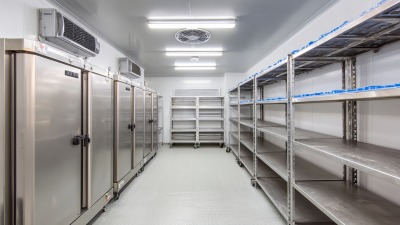
A freezer room is a controlled environment used to store products at low temperatures. Its primary function is to preserve food items and other perishables. The efficiency of a freezer room depends on several key components.

Insulation is crucial. It minimizes heat transfer, maintaining a stable internal temperature. High-quality materials can reduce energy costs, but poorly insulated rooms lead to significant energy waste. A report from the International Institute of Refrigeration noted that about 50% of operational costs occur due to inadequate insulation in refrigeration systems.

Another vital component is the refrigeration unit. This system circulates refrigerant to absorb heat from the interior. Many modern units use advanced technology for efficiency. However, if not properly maintained, these systems can fail, causing significant losses. Additionally, a proper airflow design is essential. It ensures uniform temperature distribution. Blocked vents or poor layouts can create cold and warm spots, affecting product quality. Regular maintenance and checks are often neglected, leaving room for errors.

Monitoring systems also play an essential role. They track temperatures and alert users of variations. This technology may seem advanced, yet many facilities overlook its importance. A study revealed that nearly 30% of temperature excursions go undetected. This can lead to costly waste and spoilage in the long run. Investing in reliable components and maintenance is crucial for optimal performance.

How Freezer Rooms Maintain Low Temperatures

Freezer rooms are essential for preserving perishable goods. They maintain low temperatures through advanced cooling systems. These systems use refrigeration to remove heat from the air inside. This process turns it into cold air, keeping the room consistently chilly.

To effectively manage these temperatures, insulating materials are crucial. Insulation reduces heat exchange with the outside environment. Without proper insulation, the cooling system works harder and consumes more energy. This can lead to higher operational costs.

When maintaining a freezer room, regular checks are important. Inspect seals on doors to prevent cold air from escaping. Consider adding alarms for temperature fluctuations. These steps ensure food safety and prevent spoilage.

Tip: Keep the room organized. A cluttered space can hinder air circulation.

Remember, the efficiency of a freezer room depends on its maintenance. Regularly clean the coils and check the refrigeration system. Small actions can lead to significant energy savings.

Common Uses of Freezer Rooms in Various Industries

Freezer rooms are essential in many industries. They provide a controlled environment for storing perishable goods. These spaces are crucial for food processing, pharmaceuticals, and agricultural sectors. In food service, they help maintain freshness. Restaurants and warehouses heavily rely on them.

Pharmaceuticals also utilize freezer rooms. Vaccines and medicine need specific temperatures. A slight variation can compromise quality. Storing these products in freezer rooms ensures safety and efficacy. It’s vital to monitor temperatures regularly.

Tips: Regular maintenance of freezer rooms is crucial. Check for ice buildup. It can hinder efficiency. Always clean the room and check seals. Proper airflow is key for optimal function.

Agriculture benefits too. Storing seeds or fruits in a freezer room prolongs shelf life. However, not all items should be frozen. Some may get damaged. Understanding what to store is essential for maximizing space.

What is a Freezer Room and How Does it Work? - Common Uses of Freezer Rooms in Various Industries

Industry Common Uses Temperature Range (°C) Capacity (Cubic Meters)
Food and Beverage Storing perishable foods, ice cream -18 to -25 10 - 50
Pharmaceutical Storing vaccines, insulin -20 to -30 5 - 20
Floral Preserving flowers and plants 1 to -5 3 - 15
Manufacturing Storing raw materials -10 to -20 20 - 100
Research Laboratories Storing biological specimens -80 to -150 1 - 10

The Installation Process of a Freezer Room

The installation process of a freezer room is crucial yet often overlooked. Properly installing a freezer room can ensure optimal temperature control and energy efficiency. Based on industry reports, nearly 30% of energy costs in refrigerated spaces arise from poor installation practices.

The first step is assessing the space where the freezer room will be installed. Factors like the room's layout and available utilities play a significant role. It’s vital to measure dimensions accurately. Any error here could lead to wasted space or inefficiencies. The next phase involves selecting appropriate insulation materials. High-quality insulation is not just a recommendation; it directly impacts the room's temperature stability.

Tips: Always conduct an energy audit before starting. This helps understand how much energy could be saved through better insulation choices.
Once the physical structure is defined, focus shifts to installing the refrigeration units. This stage requires precise expertise. Incorrectly positioned units can lead to uneven temperatures. A report suggested that 20% of freezer malfunctions stem from improper unit placement.

Tips: Invite a specialist to review the installation plan. Their insights may highlight areas needing improvement.
Regular checks post-installation are essential. They help identify if the room maintains its intended temperature. This is where most installations fall short and could need revisiting.

Maintenance Tips for Prolonging Freezer Room Lifespan

Maintaining a freezer room is essential for its longevity. Regular checks on temperature settings can prevent malfunction. Ideally, keep the temperature below -18°C. A consistent temperature ensures food freshness and energy efficiency.

Cleaning is another critical aspect. Dust and debris can accumulate on the condenser coils. This can hinder cooling efficiency. It’s advisable to clean these coils every few months. Use a soft brush or a vacuum to remove dirt carefully. Ignoring this can lead to increased energy costs.

Lastly, monitor humidity levels. Excess moisture can cause ice buildup. This not only affects the unit's efficiency but can also damage food stores. Consider using a hygrometer to maintain optimal humidity. Regular maintenance can prolong the lifespan of your freezer room, but it requires consistent effort. Neglecting these details can lead to costly repairs.

Energy Efficiency Considerations for Freezer Rooms

Freezer rooms are essential in various industries. They help maintain optimal temperatures for perishable goods. Energy efficiency plays a significant role in their operation. According to the U.S. Department of Energy, commercial refrigeration can consume up to 15% of a business's energy costs. This fact highlights the need for companies to evaluate their freezer room designs.

Key energy efficiency considerations include insulation, temperature control, and equipment choices. High-performance insulation can significantly reduce energy loss. A report from the Refrigeration Research Center indicates that proper insulation can save up to 30% on energy costs. Inefficient systems can create unnecessary expenses. Energy-efficient compressors and fans can also minimize electricity consumption.

However, many facilities still struggle to implement these practices. Budget constraints often hinder investment in modern technology. Some managers may not fully understand energy-saving techniques. This gap can lead to increased operational costs and waste. It's imperative for businesses to reflect on their energy usage and explore better practices for freezer room efficiency.

Optimizing Cold Storage: Insights from the Latest Refrigeration Industry Reports on Freezer Units and Monoblock Condensing Systems

In the modern refrigeration industry, optimizing cold storage solutions is crucial for maintaining the quality of perishable goods. Recent insights highlight the effectiveness of monoblock condensing systems, particularly for small cold storage facilities such as those storing vegetables, fruits, meat, and seafood. These units are designed for power ranges of 1 to 10 horsepower, offering flexibility for various storage needs. The cooling capacity is tailored based on the specific power, ensuring that efficiency is prioritized while meeting the demands of different applications.

One of the standout features of monoblock condensing chillers is their compact design, which allows for easy installation even in spaces with limited room. Their user-friendly nature means that operators can quickly set them up, minimizing downtime during critical operations. Moreover, these systems are engineered to deliver high cooling capacity with short operating times, translating to energy savings. The low noise operation ensures a comfortable environment, making them ideal for a range of settings. Coupled with exceptional after-sales service, investing in monoblock condensing chillers is a wise choice for those looking to enhance their cold storage capabilities efficiently.

FAQS

: What is the main purpose of the product?

: It aims to improve daily convenience. Many find it easy to use and effective.

Who can benefit from this product?

It is suitable for various users. Anyone looking to enhance their routine may find it helpful.

Are there any specific usage instructions?

Detailed instructions are included. Following them ensures optimal results and safety.

Can the product be used daily?

Yes, daily use is common. However, some users report fatigue if overused.

What should I do if I experience a problem?

Contact customer support for help. They can provide necessary troubleshooting steps.

Is the product safe for all ages?

It is generally safe but consult a professional for younger users. Some may have unique concerns.

Are there any known side effects?

Some users report mild discomfort. It's important to monitor your body's response.

What happens if I forget to use it for a day?

Missing a day is common. Most users can resume without any issues.

How long will it take to see results?

Results vary by individual. Patience is key; some may notice changes sooner than others.

Can I combine this product with others?

Combining with other products is possible. Check compatibility to avoid adverse effects.

Conclusion

A Freezer Room is a specialized cold storage facility designed to maintain low temperatures for preserving perishable goods. Essential components of a Freezer Room include insulation panels, refrigeration units, and temperature monitoring systems. These rooms effectively sustain low temperatures through advanced cooling technologies that can rapidly lower and maintain the desired environment.

Commonly utilized in various industries such as food processing, pharmaceuticals, and logistics, Freezer Rooms play a critical role in extending the shelf life and safety of products. The installation process involves careful planning and customized design to meet specific needs, while regular maintenance is key to prolonging the lifespan and efficiency of the Freezer Room. Additionally, energy efficiency is a significant consideration for operators looking to manage costs while maintaining optimal performance.

Ethan

Ethan

Ethan is a dedicated marketing professional with a deep expertise in cold storage solutions. He plays a pivotal role in showcasing the company's core offerings, which include comprehensive cold storage planning, design, and equipment provision. His commitment to delivering one-to-one services......
Previous Mastering the Setup: A Comprehensive Guide to Installing Condensing Unit Cold Rooms