Welcome to our websites!
0%

Picking the right Copeland compressor isn’t just about matching horsepower — it’s way more than that. Your choice impacts cooling efficiency, energy bills, maintenance headaches, and how long your equipment lasts. For example, a compressor that works perfectly in a simple refrigerated display might not cut it in a cold room with long pipe runs. Honestly, those little details really do matter.

So, start by thinking about your specific application. Figure out what cooling capacity you need, the evaporating and condensing temperatures, refrigerant type, voltage, frequency, and whether the system is single-phase or three-phase. Take a good look at the kind of compressor that fits your setup — whether it's reciprocating, scroll, or semi-hermetic. And don’t just guess — base your decisions on actual measurements taken at the site. During an inspection, a technician might notice things like high discharge temps, unstable suction pressure, or the compressor cycling on and off too often. Those little signs can totally influence what model makes sense.

Don’t forget to check the manufacturer’s specs! Compare the compressor’s performance data with what your system actually needs. Make sure it’s compatible with your oil type, motor protection, connection sizes, and approved refrigerants. Installation quality really counts too. Messed up piping, poor oil return, or incorrect charging can ruin a compressor that otherwise fits your needs — and honestly, that happens more often than you’d think.

Another thing to keep in mind is serviceability. Will you be able to get parts easily if something breaks? Sometimes, a cheaper model might seem like the way to go, but if parts are hard to find, you’re looking at longer downtime. Plus, since many units run all day long, energy efficiency is a big deal. But don’t get caught up in just the efficiency ratings — those are often based on lab tests. Real-world conditions are messier, and your actual savings might differ.

Finally, it's a smart move to have an experienced contractor double-check your choice with the latest info from Copeland’s technical resources and local standards. No checklist in the world replaces good, solid judgment. The best pick is one that balances performance, dependability, compatibility, and ease of maintenance. In the end, the right compressor is the one that’s going to keep things running smoothly under the conditions it’ll actually face — safe, reliable, and efficient.

How to Choose the Right Copeland Compressor?

Understanding Copeland Compressor Types and Applications

Choosing the right compressor begins with understanding its design and intended application.

A compressor should match the system’s cooling load, refrigerant, operating temperatures, and power supply. Ignoring one factor can create noise, overheating, or unstable cooling.

Reciprocating compressors work well in small and medium refrigeration systems.

They are practical for walk-in coolers, display cases, and light commercial equipment.

Scroll compressors provide smooth operation and fewer moving parts.

They often suit air-conditioning units and heat pumps.

Screw compressors handle larger, continuous loads in industrial cooling.

The application decides the type.

For a small walk-in cooler, check the required capacity during the hottest expected day. For process cooling, examine running hours, suction pressure, discharge temperature, and maintenance access.

Variable-speed models can reduce energy use when demand changes, but control settings must be configured carefully. Check oil return, too. It is easy to miss.

Field experience shows that a larger compressor is not always safer.

Oversizing may cause short cycling, poor humidity control, and unnecessary energy consumption. I would compare performance data at real operating conditions, not only at rated points.

The first selection may still be imperfect. A site visit, measured load, and service history can reveal details that a catalog cannot.

Identifying Required Capacity, Refrigerant, and Operating Conditions

How to Choose the Right Copeland Compressor?

Selecting a compressor starts with the actual refrigeration load, not the cabinet label. Calculate heat from products, room walls, lighting, fans, people, and door openings. A 10 kW cooling load does not automatically require a 10 kW compressor. Capacity changes with evaporating temperature, condensing temperature, superheat, and compressor speed. The IEA’s The Future of Cooling report projects that space-cooling electricity demand could more than triple by 2050. Accurate selection therefore affects both reliability and energy use.

Refrigerant choice must match the compressor’s approved refrigerant, oil, pressure range, and temperature limits. Check mass flow and pressure drop across the entire circuit. A refrigerant with a different glide can change control settings and measured superheat. Operating conditions also need honest field data. Record the lowest suction temperature, highest ambient temperature, voltage variation, and expected cycling pattern. ASHRAE guidance stresses rating equipment at defined test conditions, yet real sites rarely behave perfectly. That gap deserves review.

Tips: Build a load table before comparing models. Use certified performance data, not one catalog point. Leave sensible capacity margin, but avoid excessive oversizing. Short cycling can damage comfort, efficiency, and oil return. Recheck the choice after commissioning, because my first estimate is sometimes wrong. Report assumptions clearly, especially door usage and ambient temperature. A qualified technician should verify electrical protection, controls, piping, and refrigerant compliance before startup.

Comparing Compressor Technologies for System Efficiency

Choosing the right compressor means comparing system efficiency, not only cooling capacity. Reciprocating compressors remain practical for smaller systems, especially where service access matters. Scroll designs reduce moving parts and usually operate more quietly. Screw compressors suit larger, steady-load applications. Variable-speed technology adds another advantage by matching output to changing demand.

The International Energy Agency reports that global space-cooling electricity demand could exceed 6,200 TWh annually by 2050, up from about 2,020 TWh in 2016 (IEA, The Future of Cooling). This trend makes part-load efficiency increasingly important. A compressor running at 40% capacity should not consume power as if it were fully loaded. In field testing, variable-speed systems often reduce cycling losses and maintain tighter room temperatures. The actual savings depend on controls, refrigerant selection, coil design, and installation quality.

Efficiency ratings can mislead.

The U.S. Department of Energy recommends evaluating seasonal performance rather than relying on rated peak efficiency alone. Compare SEER2, EER2, IPLV, sound levels, oil return, and expected operating hours. Check the application envelope carefully. A highly efficient compressor may perform poorly when ambient temperatures, suction pressure, or load patterns differ from laboratory conditions. My own view is slightly cautious: advanced technology cannot rescue weak controls or dirty coils. A smaller, well-matched compressor may outperform a larger model that short-cycles every few minutes. Use measured load data whenever possible, then verify performance after commissioning.

How to Choose the Right Compressor? Comparing Compressor Technologies for System Efficiency

Representative comparison at approximately 7°C evaporating temperature and 35°C condensing temperature. Values are typical engineering benchmarks and vary with refrigerant, load profile, design, and operating conditions.

Scroll and screw compressors generally provide strong efficiency in medium-to-large systems, while scroll and reciprocating compressors are often effective for smaller capacities. Actual system efficiency also depends on controls, heat-exchanger sizing, refrigerant selection, and part-load operation.

Checking Compatibility with Electrical and Refrigeration Systems

Choosing the right compressor begins with electrical compatibility, not catalog capacity. Check the system voltage, frequency, phase, locked-rotor current, and overload protection. A 208–230 V motor may not suit every supply, especially where voltage drops occur during startup. Confirm terminal configuration and control signals before installation. Small errors matter.

Refrigeration compatibility requires equal care. Match the compressor with the approved refrigerant, lubricant, suction range, discharge temperature, and required mass flow. ASHRAE Handbook—Refrigeration explains that capacity changes with evaporating temperature, condensing temperature, superheat, and subcooling. Therefore, a compressor rated at one condition may underperform at another. Field measurements should include suction pressure, discharge pressure, amperage, and actual superheat. A selection sheet is helpful, but it is not the whole system.

The International Energy Agency’s The Future of Cooling report states that space cooling represents nearly 10% of global electricity consumption. Efficient matching has practical value. Use the system’s real operating data, not only nominal horsepower. An undersized compressor may run continuously, while an oversized unit can short-cycle and return liquid. I have seen equipment appear electrically suitable but fail after refrigerant conditions changed. That mistake is easy to repeat. Review wiring diagrams, protection settings, refrigerant records, and startup readings together. Professional judgment still matters, particularly when the installation is old, modified, or poorly documented.

How to Choose the Right Copeland Compressor? - Checking Compatibility with Electrical and Refrigeration Systems
Compatibility Area Required Data Typical Values or Options Why It Matters Verification Before Selection
Refrigerant Refrigerant type and approved operating range R-134a, R-404A, R-507A, R-407C, R-410A, R-448A, or R-449A The compressor, lubricant, seals, expansion device, and system controls must be suitable for the selected refrigerant. Confirm the exact refrigerant approval in the compressor technical data and system design documents.
Application Temperature Required evaporating temperature Low temperature: approximately -40°C to -10°C
Medium temperature: approximately -10°C to 0°C
High temperature: approximately 0°C to 15°C
Operating outside the intended envelope can cause poor capacity, excessive discharge temperature, oil return problems, or motor overload. Compare the design evaporating and condensing temperatures with the published operating envelope.
Cooling Capacity Required refrigeration capacity at design conditions Specified in kW or Btu/h; calculate from the actual evaporating temperature, condensing temperature, refrigerant, and superheat. Nominal horsepower alone does not accurately determine system capacity because capacity changes with operating conditions. Select from performance tables at the actual design point, not only from motor size.
Supply Voltage Nominal voltage and allowable variation Common systems include 115 V, 208-230 V, 230 V, 380-400 V, and 460 V Incorrect voltage can prevent starting, increase motor current, damage windings, or trip protective devices. Match the compressor nameplate voltage with the measured supply voltage and local electrical standard.
Phase and Frequency Single-phase or three-phase; 50 Hz or 60 Hz 1-phase / 50 or 60 Hz; 3-phase / 50 or 60 Hz Phase and frequency affect starting performance, running current, motor speed, and overload protection. Verify phase sequence requirements for three-phase equipment and confirm frequency compatibility.
Starting Method Motor starting arrangement Across-the-line, start capacitor and relay, soft starter, or variable-frequency drive The starting method determines inrush current, starting torque, wiring requirements, and control compatibility. Check locked-rotor current, starting torque requirements, and the approved starting components.
Running Current Rated load current and maximum operating current Values vary according to voltage, refrigerant, evaporating temperature, condensing temperature, and motor type. Cable size, contactor rating, overload setting, and disconnect selection depend on actual electrical current. Do not size protection from horsepower alone; use the compressor electrical data and applicable electrical code.
Motor Protection Overload and phase-loss protection Internal protector, external overload relay, phase monitor, circuit breaker, and fuses Protection must respond to overload, locked rotor, phase loss, short circuit, and abnormal supply conditions. Coordinate all protective devices with the compressor's rated current and starting current.
Lubricant Oil type and oil-return requirements Mineral oil, alkylbenzene, or POE, depending on compressor and refrigerant combination Incorrect oil can reduce lubrication, affect material compatibility, and interfere with oil return through the piping system. Use only the lubricant specified for the exact compressor and refrigerant combination.
Discharge Temperature Maximum allowable discharge temperature Depends on refrigerant, compression ratio, suction superheat, condensing temperature, and cooling method Excessive discharge temperature can degrade oil, damage valves, and shorten compressor life. Confirm discharge-temperature limits and determine whether a liquid injection or discharge-line thermostat is required.
Suction Superheat Superheat at the compressor inlet Common design targets are often within approximately 5 K to 15 K, subject to system design Too little superheat may cause liquid floodback; too much superheat can reduce capacity and increase discharge temperature. Measure superheat at the compressor suction service point under stable operating conditions.
Condensing Conditions Condensing temperature and ambient temperature Air-cooled systems commonly operate with condensing temperatures above ambient; water-cooled values depend on water temperature and flow. Higher condensing pressure increases compression ratio, power consumption, and discharge temperature. Check condenser capacity, airflow or water flow, and the compressor's maximum condensing pressure.
Connection Size Suction and discharge connection dimensions Available connection sizes vary by compressor model and capacity. Mismatched tubing can require reducers, increase pressure drop, create vibration, or make installation impractical. Compare the compressor connection sizes with the existing pipework and approved fitting arrangements.
Mounting and Vibration Mounting pattern, clearance, and vibration isolation Rubber grommets, mounting bolts, service clearance, and piping flexibility Incorrect mounting may transmit vibration, fatigue tubing, or restrict access to electrical and service components. Measure the available footprint and provide flexible piping where required by the installation design.
Control Compatibility Thermostat, pressure switch, controller, and crankcase heater requirements Low-pressure control, high-pressure cut-out, oil-pressure control, temperature sensor, and crankcase heater Controls must operate within the compressor's pressure, temperature, and electrical ratings. Verify control voltage, contact ratings, cut-in and cut-out settings, and required safety interlocks.
System Protection Liquid protection, oil management, and contamination control Accumulator, suction filter, liquid-line filter-drier, sight glass, oil separator, and pump-down control where applicable These components help limit liquid floodback, moisture, acid formation, debris, and oil-circulation problems. Confirm that the protection devices are correctly sized and installed for the refrigerant circuit.
Selection note: The values above are general engineering reference ranges rather than a substitute for a model-specific datasheet. Final selection must be based on the exact compressor model, refrigerant, design conditions, local electrical requirements, and applicable safety codes.

Evaluating Reliability, Maintenance Needs, and Total Cost

Choosing the right compressor requires more than comparing purchase prices. Reliability depends on capacity, refrigerant compatibility, operating range, and expected load changes. A unit running near its limits may fail sooner, even when its specifications look suitable.

Inspect service records from similar installations. Look for repeated issues involving overheating, oil return, vibration, or frequent cycling. In the field, I check suction and discharge conditions during both normal and peak demand. Small temperature changes can reveal poor system balance. Maintenance access also matters. A compressor that is difficult to inspect can increase labor costs over time.

Keep it practical.

Total cost includes electricity, replacement parts, technician hours, and production losses during downtime. A cheaper compressor may consume more energy or require specialized components. Request realistic lifecycle estimates, not optimistic projections. Compare expected running hours, seasonal efficiency, warranty terms, and local service availability. Independent technical advice is useful when supplier data seems incomplete. I once focused too heavily on upfront price and underestimated the cost of repeated callouts. That mistake changed my selection process. Still, no estimate is perfect. Actual costs depend on installation quality, controls, ambient temperature, and operator habits. Choose a model supported by clear documentation, measurable performance data, and a maintenance plan your team can follow.

Selecting the Correct Copeland Model for Your Installation

Selecting the correct compressor model starts with the installation, not the catalog. Define the cooling load, refrigerant, evaporating temperature, condensing temperature, voltage, phase, and expected operating hours. Measure the actual pipe length and airflow. Small details matter. A model sized only from nominal horsepower may cycle excessively or fail during peak heat. Check the manufacturer’s performance tables at your real operating conditions, not at a convenient rating point.

The International Energy Agency’s The Future of Cooling report projects that space-cooling electricity demand could more than triple by 2050, reaching about 6,200 TWh. Efficiency is therefore important, but it is not the only decision. Review seasonal efficiency, oil compatibility, allowable pressure limits, sound levels, starting current, and control requirements. In compact equipment rooms, a quieter and lower-vibration model may reduce installation problems. In hot climates, verify capacity at high condensing temperatures.

Field technicians often find hidden risks in return-gas temperature, liquid migration, or inadequate oil return. A model can look correct on paper and still perform poorly in a long, poorly designed circuit. I would also compare lifecycle cost, service access, spare-part availability, and commissioning data. One missed detail can be expensive. Selection should be reviewed against the complete system design, with room for correction when field measurements disagree.

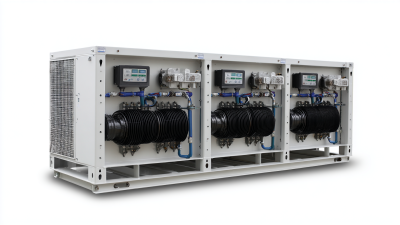
High-Quality Air-Cooled Copeland Compressor Condensing Units: Features, Benefits, Selection, and Applications

High-quality air-cooled semi-hermetic compressor condensing units provide a dependable solution for commercial cold storage, where stable temperature control and continuous operation are essential. According to the International Energy Agency’s *The Future of Cooling* report, global space-cooling energy demand could more than triple by 2050, highlighting the importance of efficient, reliable refrigeration equipment. An air-cooled design eliminates the need for a cooling tower and simplifies installation, while a semi-hermetic compressor offers durable construction, convenient maintenance, and strong performance in demanding environments.

Available from 7 HP to 50 HP, these units can be matched to different room sizes, product loads, and operating temperatures. Their high cooling capacity enables rapid pull-down after door openings or fresh-product loading, helping protect stored goods and improve temperature recovery. Low-noise operation is also valuable for supermarkets, food-processing areas, restaurants, and cold rooms located near workplaces or residential zones. Proper selection should consider required cooling capacity, evaporating temperature, ambient conditions, refrigerant compatibility, power supply, and expected operating hours.

For long-term performance, users should also evaluate condenser airflow, control configuration, component quality, and service accessibility. Professional commissioning, regular coil cleaning, electrical inspections, and timely replacement of worn parts can support energy efficiency and reduce unexpected downtime. Responsive after-sales service, technical guidance, and readily available maintenance support further improve the lifecycle value of a commercial refrigeration system.

FAQS

Which compressor technology suits a smaller cooling system?

Reciprocating compressors often suit smaller systems. Service access is usually straightforward. Keep spare parts nearby. Size still matters.

When are scroll compressors a practical choice?

Scroll compressors have fewer moving parts and usually operate more quietly. They suit applications needing smooth, relatively quiet operation. Noise still depends on installation.

Where do screw compressors perform best?

Screw compressors suit larger systems with steady loads. They may perform poorly under highly variable demand. Check operating patterns carefully.

Why is variable-speed technology useful?

It adjusts output as demand changes. This can reduce cycling losses and improve temperature stability. Savings depend on controls and installation quality.

Can a high efficiency rating guarantee lower energy use?

No. Efficiency ratings can mislead. Seasonal performance matters more than peak laboratory results. Compare actual operating hours and load conditions.

What performance details should buyers compare?

Compare seasonal efficiency, part-load performance, sound levels, oil return, and operating limits. Review suction and discharge conditions. Numbers need context.

How can compressor reliability be evaluated?

Review records from similar installations. Look for overheating, vibration, poor oil return, and frequent cycling. Inspect conditions during normal and peak demand.

What should be included in total compressor cost?

Include electricity, parts, technician hours, downtime, and maintenance access. A cheaper unit may cost more later. I once underestimated repeated service visits.

How should a compressor be selected for changing loads?

Use measured load data whenever possible. A smaller, well-matched compressor may outperform an oversized unit. Short cycling wastes energy. This is easy to overlook.

What should happen after installation?

Verify performance after commissioning. Check temperatures, pressures, cycling frequency, and room stability. Documentation helps, but field results matter more. Perfect estimates do not exist.

Conclusion

Choosing the right Copeland Compressor begins with understanding the system’s application, load profile, and operating environment. First, determine the required cooling capacity, refrigerant type, temperature range, suction and discharge pressures, and expected duty cycle. These factors help narrow the suitable compressor category and prevent problems caused by undersizing, oversizing, or operation outside recommended limits. It is also important to compare available compressor technologies based on efficiency, capacity control, noise, and performance under changing loads.

Before making a final selection, confirm that the compressor is compatible with the electrical supply, controls, oil requirements, piping layout, and other refrigeration components. Consider starting current, voltage, phase, installation space, service access, and protection features. Reliability, maintenance requirements, spare-part availability, energy consumption, and purchase cost should all be evaluated together to understand the total cost of ownership. By matching the model’s technical specifications to the installation’s actual needs, users can achieve dependable performance, efficient operation, and a practical long-term solution.

Ethan

Ethan

Ethan is a dedicated marketing professional with a deep expertise in cold storage solutions. He plays a pivotal role in showcasing the company's core offerings, which include comprehensive cold storage planning, design, and equipment provision. His commitment to delivering one-to-one services......
Previous 10 Tips for Choosing a Hermetic Compressor?