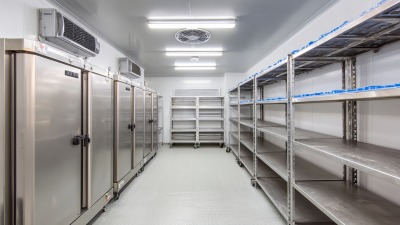
Investing in a cold room can really make a difference for your business. I mean, as John Anderson from CoolTech Inc. puts it, “A well-designed Cold Room is a total game changer for so many companies.” His words highlight just how important having a proper temperature-controlled space has become these days.
Cold rooms are pretty much essential when it comes to keeping perishables fresh and extending how long products stay good. They help protect your inventory and cut down on waste—something that’s super important if you’re in the food, pharma, or biotech world. That said, surprisingly, a lot of businesses overlook how crucial it is to invest in proper cold storage. Sometimes they see it as just an extra expense rather than what it really is—an smart investment.
Picking the right Cold Room isn’t something you want to rush into. You’ve got to think about things like size, the temperature range you need, and how much energy it will use. Honestly, it can get a bit overwhelming trying to figure out what’s best. The key is to carefully assess what your specific needs are before making a decision. When you choose the right Cold Room, it can really improve your product quality and, in turn, make your customers happier.
Investing in a cold room for perishable goods storage is crucial for many businesses. These specialized environments allow for optimal temperature control. This ensures that food items remain fresh and safe to consume. A cold room can significantly extend the shelf life of products, reducing waste and maximizing profits.
Temperature fluctuations can spoil food quickly. A cold room mitigates this risk, maintaining consistent conditions. Whether you're storing meats, dairy, or produce, a cold room can keep them in prime condition. The energy-efficient design of modern cold rooms also saves on costs over time. It is vital to monitor temperatures regularly to prevent any potential issues.
Setting up a cold room requires careful planning. Assessing the space and understanding your specific needs is important. Installation can be complex, and maintenance should not be overlooked. Ensuring reliable equipment is key to preventing temperature failures. Regular checks and updates can help avoid costly mistakes later on.
Investing in a cold room can transform operations for various industries. The food and beverage sector stands to gain significantly. Efficient storage keeps perishables fresh longer. This reduces waste and ensures quality. Restaurants and grocery stores particularly benefit from consistent temperatures. They can maintain stock and offer fresh produce daily.
Pharmaceutical companies also require precise temperature control. Medications and vaccines need stable environments for potency. Cold rooms become essential in storage and distribution. They help comply with strict regulations. Furthermore, healthcare facilities rely on cold storage to protect sensitive equipment and supplies.
Logistics firms are another key player. Cold chain management is critical for transporting temperature-sensitive goods. This includes food, medicine, and chemicals. Investing in cold storage improves efficiency and reliability. Not all businesses may recognize this necessity. Evaluating operational needs can uncover potential drawbacks of neglecting cold storage.
Investing in a cold room facility can significantly enhance your business operations. However, the costs involved require careful consideration. Initial setup expenses often include insulation, refrigeration equipment, and energy supply. According to the International Institute of Refrigeration, proper insulation can reduce energy consumption by up to 30%. Additionally, regular maintenance costs should not be overlooked. These can accumulate over time, impacting overall profitability.
Understanding these expenses helps in making an informed decision. Analyze the return on investment (ROI) thoroughly. A well-implemented cold room can minimize spoilage and extend product shelf-life, making it a crucial asset for many industries. A report from the Food and Agriculture Organization indicates that around 1.3 billion tons of food waste occurs annually due to inadequate storage conditions. Thus, investing in a cold room can directly correlate with decreased waste and improved sustainability.
Tip: Start with a basic cold room model. Evaluate its performance and gather data on energy costs. This will help refine future investments. Also, consider the location of your cold room. High traffic areas may increase operational efficiency but can also raise initial costs. Weigh these aspects carefully to ensure your investment is fruitful.
When designing an efficient cold room, key features must be prioritized. The layout plays a crucial role. Space should be optimized for easy movement of goods. Adequate shelving enhances storage efficiency. Proper insulation is vital for temperature maintenance. High-quality insulation materials minimize energy costs and maximize performance.
Temperature control is another essential element. Reliable refrigeration systems are non-negotiable. They should maintain steady temperatures. Advanced monitoring technology can alert managers to temperature fluctuations. This feature prevents spoilage and ensures product integrity.
Additionally, consider the airflow design. Proper airflow reduces hotspots and ensures uniform cooling. A well-placed airflow system can enhance the efficiency of the cold room. Regular maintenance also matters. Neglected systems can lead to breakdowns and unplanned expenses. Investing in detailed planning can save costs in the long run.
Maintaining a cold room is crucial for any business that relies on temperature-sensitive products. Regular maintenance practices ensure optimal performance and safety. Check the door seals often. Damaged seals can let warm air in, which compromises product integrity. Inspecting the insulation helps to maintain steady temperatures. Any small gaps can lead to significant losses.
Here are some maintenance tips:
Safety practices are equally vital. Ensure that staff know how to handle materials correctly. Refrigeration systems require specific knowledge for safe operation. An accident can lead to serious consequences. Emergency protocols must be clearly outlined.
Investing in proper signage is also essential. Clear directions help guide personnel during emergencies. Equipment failure can result from neglect. Implement a system to track temperature fluctuations. This allows early intervention when problems arise.
Cold rooms provide distinct advantages over traditional refrigeration solutions. They offer a controlled environment, maintaining specific temperatures for various products. A study by the National Institute of Standards and Technology found that cold rooms can be up to 30% more energy-efficient than standard freezer units. This can lead to substantial cost savings, especially for businesses that rely heavily on refrigeration.
Moreover, cold rooms provide better space utilization. Instead of stacking units, a cold room allows for storing large quantities of goods in a more organized fashion. According to the Refrigeration Research Council, businesses can optimize their storage capacity by 50% with a well-designed cold room. This not only improves accessibility but also reduces the risk of product damage.
However, installing a cold room requires careful planning and investment. Poor insulation or improper installation could lead to higher energy consumption. Additionally, businesses may face initial costs that can be concerning. It's essential to weigh these factors against the long-term benefits for a sustainable solution tailored to specific needs.
Regulatory standards for cold rooms are critical for businesses across various sectors. These facilities must adhere to strict guidelines to ensure safety and quality. Industries such as food service, pharmaceuticals, and healthcare have specific requirements. For instance, temperature controls must be consistently monitored. Any deviation risks product integrity and may lead to costly recalls.
Compliance involves regular inspections and documentation. These practices guarantee that cold rooms maintain appropriate temperatures. Businesses must invest in reliable monitoring systems. Accurate records not only support regulatory compliance but also build trust with customers. Failure to meet standards can result in fines or even shutdowns. Companies should implement regular training for staff on these regulations.
Understanding the nuances of these requirements is essential. It’s easy to overlook updates in policies or technologies. Businesses should strive to stay informed. Regular reviews of storage practices can expose gaps in compliance. This reflection is crucial for maintaining excellence in service and safety.
: Key industries include food and beverage, pharmaceuticals, and logistics. Each relies on temperature control for quality and safety.
Cold rooms keep perishables fresh longer, reducing waste and ensuring daily stock of quality produce.
They provide stable environments required for medications and vaccines, ensuring potency and compliance with regulations.
Cold chain management is crucial for transporting temperature-sensitive goods like food and medicine efficiently.
Cold rooms can be 30% more energy-efficient and optimize storage capacity significantly compared to standard freezers.
They improve space utilization, organization, and accessibility while reducing risks of product damage.
They need careful planning to avoid poor insulation and high energy consumption. Initial costs can be concerning.
Not all do. Evaluating operational needs may reveal drawbacks in neglecting cold storage investments.
Higher initial costs and potential for improper installation leading to inefficiency should be considered.
Yes, poor planning could lead to higher energy costs and operational challenges that might impact sustainability.
A Cold Room is an essential asset for businesses dealing with perishable goods, offering numerous benefits such as enhanced storage capabilities and extended shelf life for products. Key industries, including food services and pharmaceuticals, can significantly benefit from investing in cold room facilities, as they ensure compliance with regulatory standards while maintaining product integrity.
When considering the implementation of a cold room, it's important to evaluate cost factors and essential features for efficient design, such as temperature control and insulation. Regular maintenance and adherence to safety practices are crucial for optimal operation. Furthermore, comparing cold rooms to other refrigeration solutions can provide insight into the most suitable options for specific business needs, reinforcing their value in managing perishable inventories effectively.