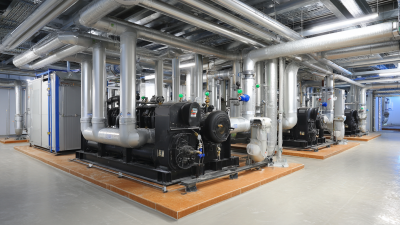
The refrigeration compressor is pretty much the heart of most cooling systems, and keeping it in good shape is super important. If you wanna get the best performance out of it, regular maintenance is key. Companies like CoolTech Innovations always stress how checking on things now and then can save you a lot of headaches later. Honestly, even tiny issues can turn into bigger problems if you ignore them over time.
If you take the time to keep your compressor running smoothly, you'll not only save energy but also cut down on those pesky operating costs. But here’s the thing—many folks tend to overlook the basics. They might forget to clean the coils once in a while or neglect to check if the refrigerant levels are okay. And trust me, doing these simple things can make a huge difference in how well everything works.
Getting to know the ins and outs of refrigeration compressors can really help you steer clear of costly repairs down the line. Paying attention to the little details, like keeping things clean and well-maintained, can make your compressor last longer and run more efficiently. It’s easy to slack off sometimes, but skipping maintenance can lead to it working less effectively. So, regular check-ups and giving your compressor some TLC are pretty much non-negotiable if you want everything to run smoothly and reliably.
Refrigeration compressors play a crucial role in cooling systems. They compress refrigerant gas, raising its pressure and temperature. This process enables the transfer of heat from inside the refrigerator to the outside environment. Understanding how compressors function is essential for maintaining their efficiency.
Many users overlook maintenance. Regular checks can significantly improve performance. Dust buildup can cause overheating and reduce efficiency. However, cleaning the coils is often ignored. A simple cleaning can prevent major breakdowns. Additionally, ensuring proper airflow around the compressor is vital. Without it, the system struggles to operate effectively.
Another common mistake is neglecting the refrigerant levels. Low refrigerant can hinder cooling performance. Yet, checking levels is frequently postponed. Users might think it’s a minor issue, but it can lead to larger problems. Staying vigilant with these small details fosters a more efficient system.
Refrigeration compressors play a crucial role in cooling systems. Recognizing common signs of compressor issues can prevent costly repairs. One major indicator is unusual noise. If the compressor starts making clanking, grinding, or hissing sounds, it signals potential mechanical failure. According to industry data, approximately 30% of compressor failures stem from mechanical issues.
Another sign to watch for is inconsistent temperature control. If the equipment isn't maintaining the set temperature, the compressor may struggle. A report from the Refrigeration Research Institute revealed that over 40% of refrigeration inefficiencies are linked to compressor problems.
Additionally, check for overheating. When compressors run excessively hot, it can lead to premature failure. Monitoring the compressor's temperature can help you catch this early. Equipment not cycling properly is also a red flag. A faulty compressor might not turn on or off as needed, causing higher energy bills. Being proactive in recognizing these signs can enhance performance and extend the lifespan of refrigeration systems.
Regular maintenance is crucial for refrigeration compressors. A 2021 industry report showed that poorly maintained compressors can lose up to 25% of their efficiency. Many facilities overlook simple tasks, leading to higher energy costs. Cleaning condenser coils can improve airflow, which enhances overall system performance.
Checking refrigerant levels regularly is essential. Insufficient refrigerant not only strains the compressor but also affects cooling capacity. A drop in efficiency can result in increased operating costs. Moreover, ignoring leaks can damage the entire system, leading to expensive repairs. It’s vital to use proper tools for these tasks, as cheap alternatives can often lead to inaccurate readings.
Vibration analysis is another key maintenance practice. Studies suggest that monitoring compressor vibrations can predict failures up to 70% of the time. Neglecting this practice can mean risking unexpected breakdowns. Many technicians find it challenging to commit time for such analysis, which can lead to recurring issues. Small adjustments in routine maintenance can yield significant improvements and prolong the lifespan of compressors.
Choosing the right refrigeration compressor for your system is crucial for effective cooling. Consider the specific needs of your application. Each system has different requirements based on size, load, and operating conditions. Matching these factors to the compressor capacity can improve efficiency.
It’s common to overlook the importance of the compressor type. Some systems benefit from reciprocating compressors, while others may work better with scroll models. Evaluating energy efficiency ratings is also important. A less efficient model can increase operating costs over time.
Installation plays a significant role too. A poorly installed compressor can lead to inefficiencies and even damage. Noise levels should not be ignored either; a noisy unit can disrupt a workspace. Regular maintenance can help identify issues early. However, not everyone commits to this. Many wait until problems escalate, which complicates repairs.
It’s essential to invest time in proper selection and maintenance practices.
Ambient temperature plays a crucial role in the efficiency of refrigeration compressors. Hotter environments can lead to a decrease in performance. When temperatures rise, the compressor works harder. Higher ambient heat forces the unit to consume more energy, which can amplify operational costs.
Imagine a compressor running in a bakery on a summer day. If the outside temperature hits 90°F, the compressor struggles to maintain the necessary cooling. The increased load makes it less efficient. It may even shorten the lifespan of the unit. Not all settings recognize the impact of such conditions. Some compressors may need regular maintenance overlooked in cooler months.
Additionally, many overlook insulation. Insufficient insulation can exacerbate the effects of high temperatures. The heat infiltrates the system, increasing the workload. It’s essential to assess insulation quality. Evaluating airflow around the compressor can also bring noticeable improvements. Small changes can yield significant efficiency gains, yet often, these aspects are ignored. Consider a review of your compressor setup in varying temperatures.
Refrigeration compressors can face a range of issues that impact their efficiency. One common problem is overheating. This often occurs due to inadequate airflow. Ensure that the condenser coils are clean and free of dust. Regularly check for obstructions around the unit. A simple cleaning can significantly improve performance.
Another frequent issue is unusual noise. If a compressor is rattling or clanking, it might indicate loose parts. Inspect the unit’s components carefully. A secure fit is vital for smooth operation. If noise persists, it may signal deeper mechanical problems that require professional attention. Also, keep an eye on refrigerant levels. Low levels can lead to compressor burnout, which is often irreversible.
Lastly, leaks should not be ignored. Detecting a refrigerant leak early can save time and costs. Use soapy water to check connections for bubbles. Address leaks immediately to prevent further complications. Ignoring these details can lead to larger, more costly issues down the line. Regular maintenance and vigilance are key to extending the life of your compressor.
| Tip Number | Tip | Description | Common Issues Addressed |
|---|---|---|---|
| 1 | Regular Maintenance | Conduct periodic checks and maintenance to ensure optimal operation. | Overheating, inefficiency |
| 2 | Check Refrigerant Levels | Ensure refrigerant is at the correct level to maintain cooling efficiency. | Low cooling, compressor failure |
| 3 | Inspect Electrical Connections | Check all electrical connections for signs of wear or corrosion. | Electrical failure, short circuits |
| 4 | Clean Condenser Coils | Keep coils clean to enhance heat exchange efficiency. | Poor cooling, increased energy costs |
| 5 | Monitor System Pressure | Regularly check system pressure for optimal performance. | Compressing issues, inefficiency |
| 6 | Avoid Overloading | Ensure the system is not overloaded beyond its capacity. | Compressor strain, breakdown |
| 7 | Install a Suction Line Filter | Use filters to protect the compressor from contaminants. | Blockages, reduced efficiency |
| 8 | Check for Vibration | Monitor for excessive vibration which can damage components. | Worn-out parts, noise issues |
| 9 | Check Oil Levels | Ensure proper oil levels for lubrication and cooling. | Overheating, component damage |
| 10 | Use Proper Insulation | Ensure that the refrigeration piping is properly insulated. | Heat gain, efficiency loss |
Energy efficiency is crucial for refrigeration compressors. According to the U.S. Department of Energy, inefficient compressors can consume up to 30% more energy than necessary. Regular maintenance can significantly enhance efficiency. Check for refrigerant leaks, which can lead to high energy usage. A small leak can waste thousands of dollars annually.
Proper insulation is key. Well-insulated systems can maintain optimal temperatures with lower energy consumption. The choice of refrigerant impacts performance. Using eco-friendly refrigerants can improve energy savings while adhering to environmental regulations. Additionally, monitoring ambient temperatures helps in adjusting operations for maximum efficiency.
Often, operators overlook proper airflow. Blocked vents and coils can reduce compressor performance. Ensuring clean and unobstructed pathways for air can enhance cooling. Investing time in preventative measures is essential. Regularly inspect and clean filters to prevent airflow issues. While it takes effort, the rewards are significant. Improved performance frequently leads to cost savings and longer equipment lifespan.
: The product is designed to enhance everyday tasks. It aims to improve efficiency and ease of use.
A wide range of users can benefit, including students, professionals, and homemakers. Each user can find value in it.
It utilizes simple mechanisms to perform tasks. Users can follow easy instructions to achieve desired results.
Safety is a priority. Users should follow guidelines to avoid misuse. Reflect on personal habits for best results.
The product includes multiple features, like adjustable settings and user-friendly interfaces. This allows customization for each user.
Yes, it can be used outdoors. However, weather conditions may affect performance. Think about your environment before use.
Longevity varies by usage and care. Regular maintenance can enhance its lifespan. Pay attention to regular checks.
A limited warranty may be available. Check the terms for details. Reflect on your needs regarding warranties before purchasing.
Users should refer to the troubleshooting section. If issues persist, contacting support is recommended for further guidance.
Yes, understanding the manual helps. Practice regularly to improve skills. Remember, everyone learns at their own pace.
The article "Top 10 Refrigeration Compressor Tips for Better Performance" provides essential insights into the functionality and maintenance of refrigeration compressors. It begins with a comprehensive overview of how these compressors operate and highlights common signs that may indicate potential issues, allowing users to act promptly. Regular maintenance practices, such as cleaning and inspecting components, play a crucial role in ensuring optimal performance and longevity of the refrigeration compressor.
Additionally, the article emphasizes the importance of selecting the right compressor for specific systems, taking into account factors like ambient temperature, which significantly impacts efficiency. Troubleshooting tips for common problems are discussed, alongside energy-saving techniques that can enhance overall compressor performance. By following these guidelines, users can improve the reliability and efficiency of their refrigeration systems, ultimately leading to better energy management and reduced operational costs.