




Both PIR panels and cold storage panels refer to high-performance insulation materials. The main difference lies in the material and performance emphasis: PIR panels (polyisocyanurate panels) are a more advanced upgrade of polyurethane (PUR), possessing excellent flame retardancy, high temperature resistance (up to 200℃ and above), and low moisture absorption (much lower than PUR). They are the first choice for constructing high-requirement cold storage facilities, food processing plants, and other buildings. “Cold storage panels” generally refer to insulation materials used in cold storage, which can be PIR, PUR, XPS, etc. Due to its comprehensive performance, PIR has become the mainstream of modern high-end cold storage panels.
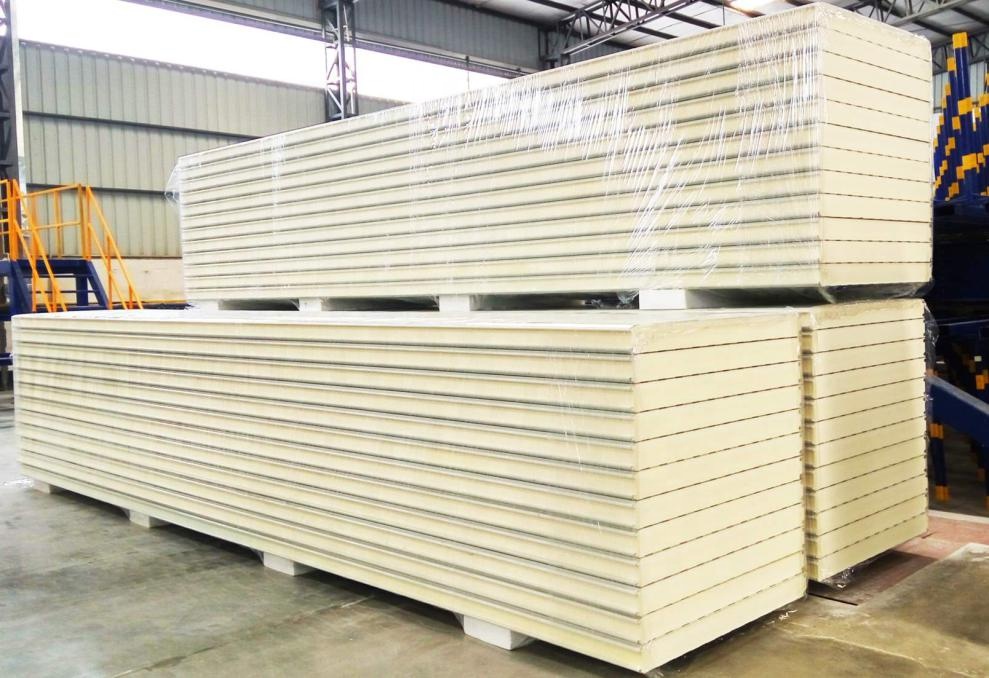
PIR (Polyisocyanurate) Board Core Characteristics:
Superior Fire Resistance: By increasing the isocyanate ring concentration, its fire resistance far surpasses that of ordinary PUR panel , achieving a B1 fire rating.
Superior Thermal Insulation: Extremely low thermal conductivity (≤0.023 W/mK), resulting in high insulation efficiency.
High Temperature Resistance: Long-term use can withstand temperatures above 150℃, even up to 205℃, suitable for high-temperature environments.
Low Water Absorption: Extremely low water absorption rate, effectively preventing moisture intrusion and maintaining insulation performance.
High Strength: High density, stable structure, enhancing building strength.
Environmentally Friendly: CFC-free.
Cold Storage Panels:
Broad Concept: Refers to all sandwich panels used in the construction of cold storage facilities; the core function is insulation and sealing.
Diverse Materials: In addition to the mainstream PIR board, it also includes PUR (polyurethane), XPS (extruded polystyrene), etc.
Performance Focus: Different core materials are selected according to the temperature requirements of the cold storage.
PIR Panels vs. Regular PUR Cold Storage Panels
Fire Resistance: PIR > PUR
Temperature Resistance: PIR (-196℃ + 205℃) > PUR (-185℃ + 110℃)
Water Absorption: PIR (<1%) < PUR (2.5%~3%)
Density: PIR (40-45 kg/m³) > PUR (38-40 kg/m³)
Cost: PIR is generally higher than PUR.
Summary
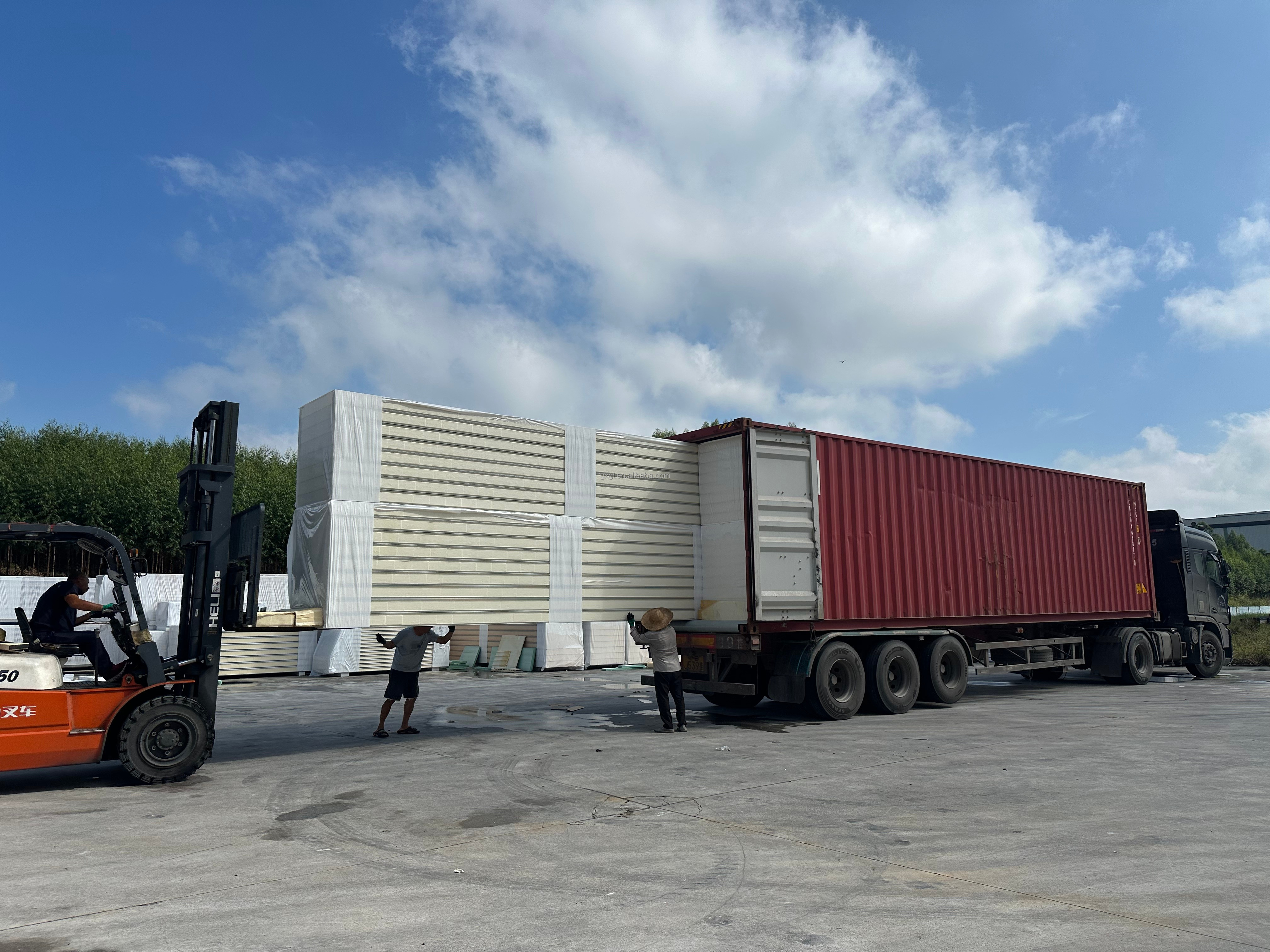
PIR panels are representative of high-performance cold storage panels, especially suitable for modern cold chain logistics and food processing industries with stringent requirements for fire resistance, high temperature resistance, and low moisture absorption. They provide a safer and more reliable insulation solution than traditional PU cold room panels.
Gaungxi Cooler Refrigeration Equipment Co.,Ltd.
Email:karen@coolerfreezerunit.com
Tel/WkatsApp:008613367611012
Post time: Jan-16-2026