



Energy saving in cold storage units mainly relies on optimizing equipment selection (such as variable frequency compressors and high-efficiency heat exchangers), improving system design (such as using economizers and optimizing piping), strengthening daily management (such as proper placement of goods, sealing of storage doors, LED lighting, and regular maintenance), and intelligent control. Overall energy saving is achieved by reducing cold loss, improving the energy efficiency ratio (EER/COP), and adjusting the load as needed.
I. Equipment and System Optimization (Technical Aspect)
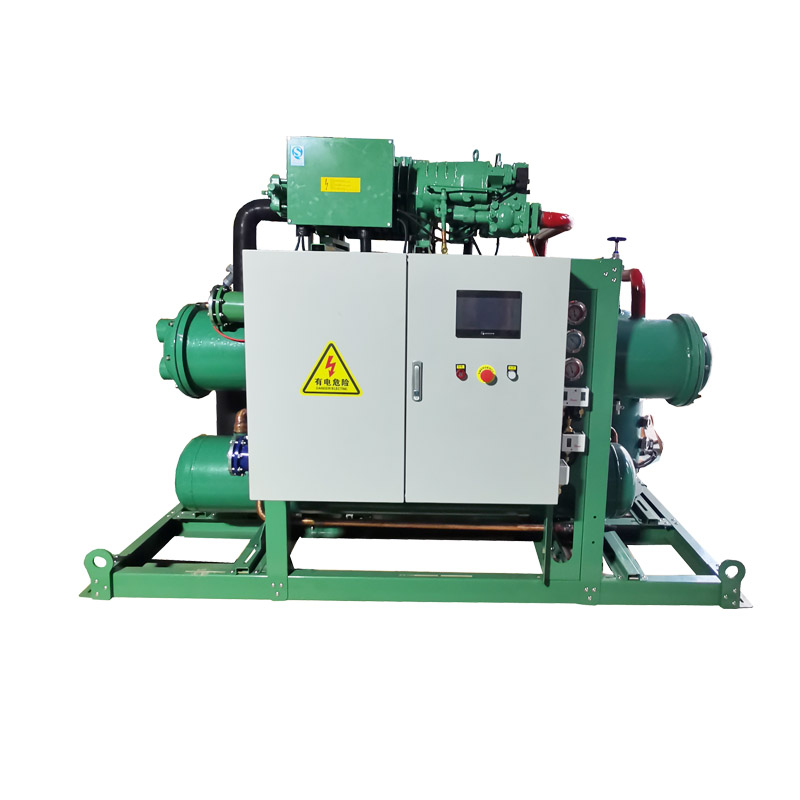
**Selection of Variable Frequency Compressors:** Utilizing variable frequency screw compressors with an economizer allows for stepless capacity adjustment based on load changes, achieving efficient operation within a 20%-100% range and significantly saving energy.
**High-Efficiency Heat Exchange Equipment:** Employing high-efficiency evaporators and condensers, such as hydrophilic aluminum foil and internally threaded tubes, improves heat exchange efficiency and reduces compressor workload.
**Optimized Refrigerant System:** Using advanced throttling devices (such as electronic expansion valves) to precisely control refrigerant flow and improve system evaporation efficiency.
**Integrated Variable Frequency Fans:** Evaporator and condenser fans are controlled by variable frequency, delivering air on demand and reducing fan energy consumption.
**Energy-Saving Cold Storage Doors:** Using electrically operated sliding doors and high-speed rolling doors with good insulation performance, combined with air curtains, reduces cold air loss.
**Waste Heat Recovery:** Utilizing the heat generated by the condenser for domestic hot water, defrosting the storage area, or pre-cooling the warehouse, achieving multiple benefits.
II. Intelligent Control and Operation (Management Level)
Intelligent Control System: Incorporating technologies such as variable frequency speed control and fuzzy control to achieve intelligent linkage and precise control of the refrigeration system, fans, and lighting.
Temperature and Load Matching: Preventing overcooling by setting the storage temperature according to actual needs and adjusting it in real time based on changes in goods; lights are turned off when leaving to avoid unnecessary heat generation from lighting.
Goods Management: Adopting First-In-First-Out (FIFO) principle, with reasonable stacking and sufficient air duct space to ensure uniform cold air circulation and reduce heat accumulation.
Energy-Saving Platforms/Buffer Zones: Low-temperature storage is designed with low-temperature platforms or buffer zones to reduce contact between goods and warm outside air during loading and unloading.
III. Daily Maintenance and Care (Ensuring Safety)
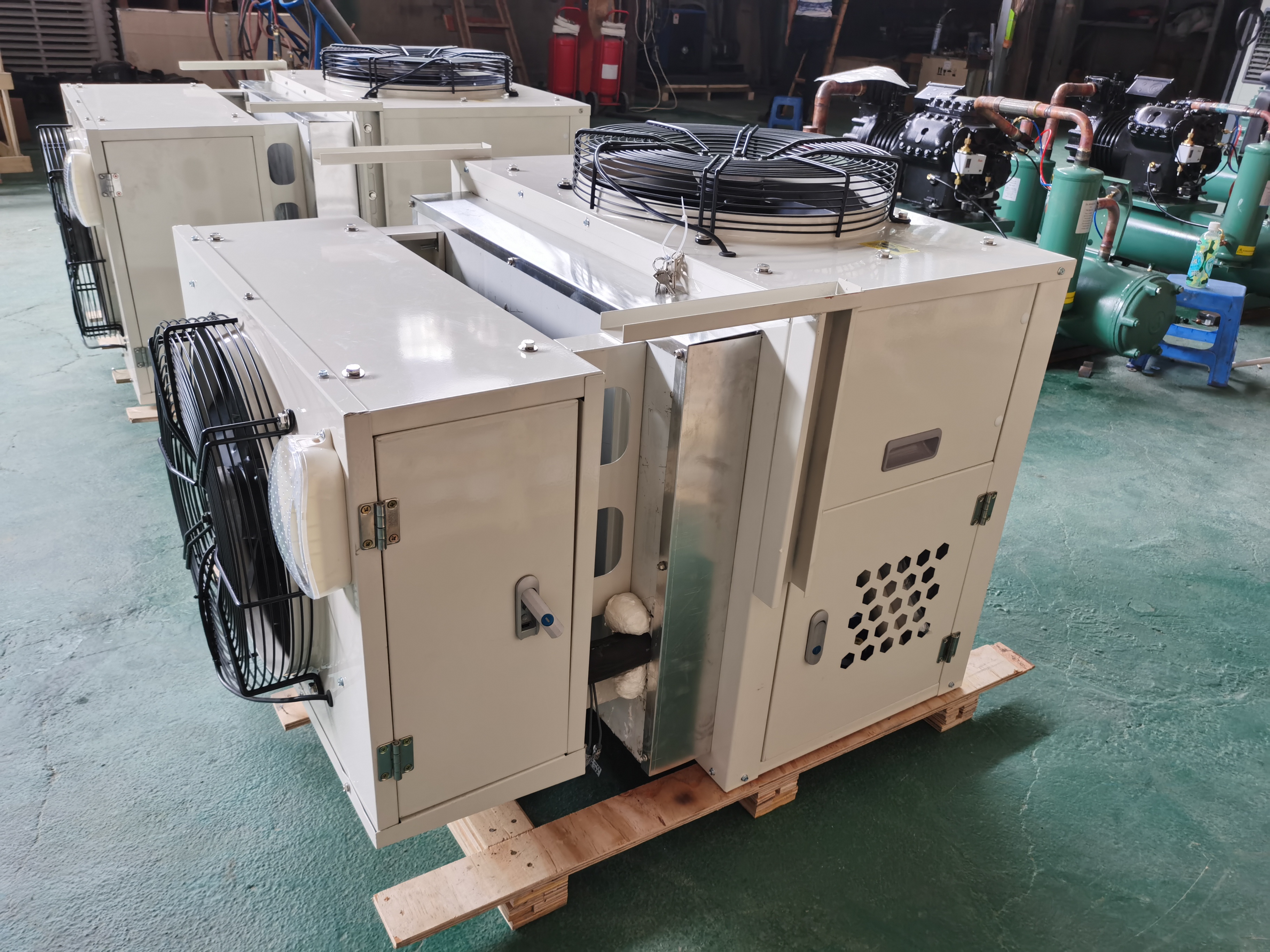
Regular Inspection and Cleaning: Keep the condenser surface clean and dust-free to improve heat dissipation efficiency; check the evaporator frost thickness and defrost promptly.
Sealing Inspection: Inspect the door seals, door curtains, etc., and replace worn parts promptly to prevent cold air leakage.
Refrigerant Inspection: Regularly check the refrigerant pressure and charge level to ensure the system is in optimal operating condition.
Insulation Material Maintenance: Inspect the insulation layer of the cold storage unit for damage and repair it promptly to prevent heat transfer.
IV. System Energy Efficiency Assessment
Improve Energy Efficiency Ratio (EER/COP): Improve the refrigeration system’s energy efficiency ratio through the above measures, maximizing the cooling capacity produced per kilowatt-hour of electricity consumed.
Pay attention to start-up and shutdown energy consumption: Frequent switching of the compressor is very energy-intensive and can easily damage the equipment. It should be kept running as much as possible, with load adjustment via frequency converters.
Guangxi Cooler Refrigeration Euipment Co.,Ltd.
Email:info01@coolerfreezerunit.com
Tel/WhatsApp:+8613367611012
Post time: Dec-23-2025