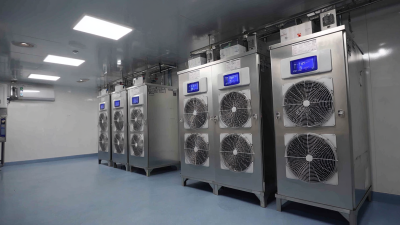
Picking the right cold storage facility isn’t something to take lightly, especially if you're in the food or pharma biz. I mean, Steve Johnson, who’s pretty much an expert on cold chain logistics, once said, “The integrity of your product really depends on the quality of your cold storage.” That’s pretty much a fancy way of saying, you gotta choose a place that ticks all the right boxes.
When you’re looking into options, start by zooming in on a couple of key things—like how well they control the temperature and how easy it is to access your stuff. It’s also worth checking if they’ve got some slick monitoring systems in place. And don’t forget, they need to stick to industry standards—otherwise, your product could be at risk. A good facility should also be flexible—meaning they can handle your changing needs as your business grows. Because let’s be honest, things rarely stay the same.
That said, not all cold storage spots are created equal. Some might cut corners just to save a buck, which is a total red flag. Do a little digging—read reviews, ask around—to get a sense of their reputation. In the end, the best choice is one that balances quality with good service, and most importantly, fits your specific goals. After all, your products deserve the best, right?
Understanding your cold storage needs involves careful consideration of various factors. One of the most crucial aspects is the size of the facility. Evaluate the volume of products you need to store. A facility that is too small can compromise the integrity of your items. On the other hand, overly large spaces may lead to unnecessary costs.
Temperature requirements is another key element. Different products call for specific temperature ranges. For instance, fruits and vegetables may require different conditions than pharmaceuticals. Knowing the precise temperature settings ensures that your stored items remain in optimal condition. Moreover, consider the layout of the facility. Accessibility and organization can greatly impact efficiency. Can you easily retrieve items when needed? If not, it might be time to reconsider.
Additionally, think about the duration of storage. Will you store items for a short time or long-term? Short-term storage may not necessitate high-tech solutions. For long-term storage, however, investing in more advanced technology could be prudent. Reflect on these aspects to make a more informed decision. Balancing needs against budget is key. It’s okay to revisit your choices periodically to ensure they still align with your evolving requirements.
Choosing the right cold storage facility is crucial for your business. There are several types of cold storage options available, each tailored to specific needs. The primary categories include refrigerated warehouses, walk-in coolers, and temperature-controlled containers. Each type serves unique storage requirements.
Refrigerated warehouses offer large-scale storage for perishable goods. They maintain temperatures between 32°F and 55°F, ideal for fresh produce and dairy products. According to a report by Mordor Intelligence, the global cold storage market is expected to reach $200 billion by 2025. This growth reflects the increasing demand for temperature-sensitive products.
Walk-in coolers are popular for small businesses and restaurants. They provide easy access to stored items, such as fresh meat and vegetables. Temperature-controlled containers cater to transportation needs. They ensure products remain secure during transit. However, each facility type presents challenges. Maintaining consistent temperatures can be difficult. A study by the World Health Organization indicated that improper handling can lead to foodborne illnesses. Businesses must stay vigilant about these risks when selecting a cold storage facility.
Choosing the right cold storage facility requires careful consideration. Key factors include temperature control, facility location, and monitoring systems. Proper temperature management is critical to preserving goods. Ensure the facility can maintain the necessary temperatures consistently.
Consider the location as it affects transportation efficiency. Proximity to suppliers and consumers can reduce costs and improve service. Look for facilities near major transportation hubs. This can lead to quicker deliveries.
**Tips:** Inspect the facility's equipment regularly. Ensure they have reliable temperature monitoring systems in place. Ask about their protocols for handling emergencies. Cold storage is not just about space; it's about safeguarding your products. If you notice issues, address them immediately. A good facility should be open to feedback and continuous improvement.
When evaluating the location of cold storage facilities, proximity is key.
A study by the Global Cold Chain Alliance shows that transportation costs can account for up to
30% of the overall logistics expenses. Choosing a facility near your suppliers or customers can significantly reduce these costs.
This makes a direct impact on your bottom line.
Accessibility is just as vital. Cold storage facilities should be close to major transportation hubs.
According to the Council of Supply Chain Management Professionals, over
70% of logistics costs stem from transportation inefficiencies. If the facility is hard to reach, delays can occur.
This can lead to quality loss, especially for perishable goods.
Don't forget about local regulations and climate. Understanding state and local regulations can prevent costly compliance issues.
Additionally, climate can affect energy consumption and the reliability of refrigeration systems.
A facility in a region with extreme temperatures might require more robust energy solutions, increasing overhead costs.
Keeping these factors in mind can ensure a smarter, more efficient choice.
When choosing a cold storage facility, assessing the security features is crucial. Security ensures that your products stay safe from theft and damage. Look for facilities that offer 24/7 surveillance. Cameras should cover all areas, especially entry and exit points. This reduces risks and gives you peace of mind.
A strong access control system is essential. Facilities should have restricted entry to authorized personnel only. Key cards or biometric access are modern solutions. These methods enhance security but can sometimes lead to delays in accessing your goods. Reflect on how this impacts your operations.
Additionally, check for alarm systems and environmental controls. Alarms prevent unauthorized access and can alert you to any breaches. Environmental controls maintain the temperature and humidity necessary for your products. Proper maintenance of these controls indicates a facility's reliability.
Tip: Always ask facility managers about past security incidents. Their responses can reveal how they handle threats. This knowledge may influence your decision significantly.
When analyzing costs and budget for cold storage solutions, understanding your specific needs is crucial. The global cold storage market was valued at over $200 billion in 2022 and is expected to grow substantially. Companies need to assess both the upfront costs and ongoing operating expenses. This includes energy consumption, maintenance, and lease rates.
A recent industry report highlights that energy costs can account for up to 30% of cold storage expenses. This drives the need for facilities with energy-efficient technologies. Access to renewable energy sources can lower long-term expenses. Additionally, evaluating the location of the facility matters. Proximity to distribution channels can reduce transportation costs, which are significant in the supply chain.
Investing in more advanced facilities may appear costly initially. However, they often provide greater long-term savings through operational efficiencies. Businesses should also factor in potential changes in demand. A flexible approach to the cold storage budget can accommodate growth or seasonal fluctuations. Ultimately, taking the time to analyze these financial aspects will help in selecting the best cold storage facility.
When selecting a cold storage facility, compliance with safety standards is crucial. Many industries, including food and pharmaceuticals, require strict adherence to guidelines set by organizations like the FDA and CDC. According to a 2021 industry report, nearly 20% of businesses faced compliance issues that resulted in product recalls. Regular audits and certifications can help mitigate these risks.
Temperature control is a key component of safety. Studies reveal that a 1°C rise in temperature can compromise the integrity of sensitive products. Facilities must employ advanced monitoring systems to ensure temperatures remain within acceptable ranges. Over 30% of cold storage facilities fail to report temperature fluctuations promptly, leading to potential losses.
Choosing a facility with experienced staff is vital for maintaining compliance. Trained personnel can identify and rectify issues before they escalate. Continuous education in regulations and safety practices is essential. Regular inspections can expose areas needing improvement, such as outdated equipment or insufficient training. Many facilities find these vulnerabilities only after incidents.
This chart illustrates the percentage of cold storage facilities that comply with different safety standards, highlighting the importance of compliance in selecting a facility.
: Assess the volume of products to store. A small facility can compromise item integrity. A large space may incur extra costs.
Temperature requirements are crucial. Products like fruits and pharmaceuticals need specific temperature settings for optimal storage.
Accessibility and organization matter. Ensure items can be easily retrieved. Difficulties in access may signal a need for reevaluation.
Short-term storage may need fewer tech solutions. Long-term storage often benefits from advanced, efficient technology.
Costs include upfront and ongoing expenses. Energy, maintenance, and lease rates matter, so periodic review is essential.
Yes, energy can account for 30% of expenses. Choosing energy-efficient technologies can reduce costs in the long run.
Proximity to distribution channels can lower transportation costs. This is a significant factor in the supply chain budget.
Yes, businesses must be flexible. Adjusting the budget allows for growth or seasonal fluctuations, ensuring adaptability.
When selecting a Cold Storage Facility, it’s essential to first understand your specific storage needs, as different items may require varying temperature settings and storage conditions. There are various types of cold storage facilities available, including refrigerated warehouses and temperature-controlled containers, each designed for specific purposes.
Key factors to consider include the facility's location, as proximity to distribution points can impact shipping efficiency, and the security features in place to protect your goods. Additionally, analyzing the costs associated with different facilities and ensuring they comply with safety standards are crucial to making an informed decision. By carefully evaluating these criteria, you can choose the best Cold Storage Facility that meets your requirements and budget, ensuring the safety and quality of your stored items.