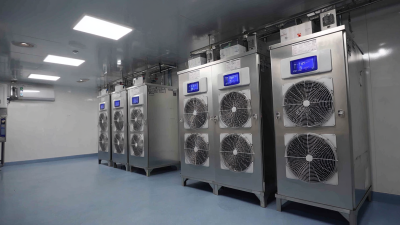
Condenser refrigeration is a pretty essential part of cooling systems—think of it as the process that gets rid of heat from refrigerants so they can keep working smoothly. You'll see this technology everywhere, from keeping your food fresh in storage to cooling down your house with air conditioning. Honestly, understanding how condenser refrigeration works isn’t just for the pros; it’s useful for homeowners, too.
Basically, what happens is that the system moves heat from one place to another. The condenser steps in after the refrigerant has soaked up heat from its surroundings—it cools it down so it can keep doing its job. Big names like Carrier and Trane use this tech in their systems, making sure everything runs efficiently thermally. But here’s the thing—if you want these systems to stay in tip-top shape, regular maintenance really counts. Skipping checkups can lead to issues down the line.
We often forget how important it is to keep an eye on those coils and airflow. Stuff like dirt buildup or blocked vents doesn’t just look dirty; it actually messes with the system’s efficiency and wastes energy. Many folks don’t realize just how much neglect in these areas can drive up energy bills or cause breakdowns. Paying attention to proper upkeep isn’t just about saving money; it’s also about making your system more sustainable. Getting these little details right can really make a difference—whether you’re managing a business or just cooling your home."
Condenser refrigeration is a crucial technology in many cooling systems. At its core, it involves transferring heat from a refrigerant to the environment, allowing for the cooling of air or another substance. This process begins in the evaporator, where the refrigerant absorbs heat and evaporates. The gas then travels to the condenser, where it loses heat and turns back into a liquid. This cycle repeats to maintain cold temperatures in refrigerators and air conditioners.
Understanding the functioning of condenser refrigeration can enhance efficiency. Regular maintenance is vital. Ensure that the condenser coils are clean to promote effective heat exchange. Dust buildup can hinder the system’s performance. Check for any signs of leaks. Small leaks may go unnoticed but can significantly impact efficiency over time.
Tip: Keep an eye on the ambient temperature around your condenser. Excessive heat can lead to overheating and system failures. Adjust the surrounding area to provide better airflow. Simple landscaping or shading adjustments can make a difference, improving the unit's longevity.
In essence, while condenser refrigeration is effective, it requires attention. A proactive approach to maintenance allows systems to run efficiently. Regular checks and simple improvements can lead to a more reliable cooling experience.
Refrigeration systems are vital in many industries. Understanding their basic principles can shed light on their functionality. At the core, refrigeration relies on the principles of thermodynamics. It moves heat from cooler areas to warmer regions, using a refrigeration cycle. This cycle involves four key processes: compression, condensation, expansion, and evaporation.
In a typical refrigeration system, a refrigerant absorbs heat during evaporation. This process converts the refrigerant from a liquid to a gas. The gas is then compressed, raising its temperature and pressure. It moves to the condenser, where it releases heat to the surroundings. A recent report from the International Institute of Refrigeration states that efficient systems can reduce energy consumption by up to 30%.
However, many systems face inefficiencies. Issues such as refrigerant leaks or poor insulation can drastically reduce performance. Not all systems are optimized for energy use. A survey by Energy Star indicated that 30% of commercial refrigeration systems performed below expected levels. Addressing these inefficiencies is crucial for sustainability and cost-effectiveness. This highlights the need for ongoing advancements in refrigeration technology.
| Component | Function | Key Features | Common Applications |
|---|---|---|---|
| Condenser | Transfers heat from refrigerant to the surroundings | Air-cooled or water-cooled, efficiency varies by design | Refrigerators, air conditioning systems |
| Evaporator | Absorbs heat from the environment, cooling the air | Direct expansion or flood type | Walk-in freezers, HVAC systems |
| Compressor | Circulates refrigerant through the system | Reciprocating, scroll, or rotary type | Commercial refrigeration systems |
| Expansion Valve | Regulates refrigerant flow into the evaporator | Thermal or electronic control mechanisms | Refrigeration equipment, chillers |
The condenser plays a crucial role in refrigeration systems. It is responsible for transferring heat from the refrigerant to the environment, allowing the refrigerant to cool and condense. According to the U.S. Department of Energy, approximately 30% of energy consumption in commercial buildings is attributed to refrigeration. Efficient condenser operation can significantly reduce energy costs.
When the refrigerant exits the compressor, it is in a gaseous state at high pressure and temperature. The condenser cools this gas and converts it into a liquid. This process is essential for maintaining the refrigeration cycle. Studies reveal that even minor inefficiencies in condenser performance can lead to substantial energy waste. For instance, a study by the American Society of Heating, Refrigerating and Air-Conditioning Engineers indicates that optimizing condenser design can improve efficiency by up to 15%.
Environmental factors, such as ambient temperature, also affect condenser efficiency. In warmer climates, condensers may struggle to dissipate heat, impacting overall system performance. Regular maintenance is vital, yet often overlooked. Dirt and debris can accumulate, hampering heat exchange. These factors highlight the need for ongoing evaluation and improvement in condenser technology. Balancing efficiency and environmental conditions is a continuous challenge for engineers in the refrigeration industry.
In condenser refrigeration, heat exchange is a critical process. When a refrigerant moves through the system, it absorbs heat from the environment. This heat absorption occurs in the evaporator, where the refrigerant turns from liquid to gas. The gas then travels to the condenser. It is here that heat exchange plays a pivotal role.
Inside the condenser, the gaseous refrigerant releases heat to the surrounding air or water. This action cools the refrigerant, causing it to condense back into a liquid. According to the American Society of Heating, Refrigerating and Air-Conditioning Engineers (ASHRAE), the efficiency of this heat exchange can significantly impact energy consumption. A report noted that optimizing the condenser can improve system efficiency by up to 30%.
However, not all systems operate perfectly. Issues like fouling and corrosion can hinder effective heat exchange. A study by the U.S. Department of Energy emphasizes that regular maintenance is essential. Without it, the performance can degrade, leading to higher energy costs. Understanding these factors can help better manage refrigeration systems.
When examining refrigerating systems, condensers play a vital role. They are responsible for dissipating heat collected from the refrigerant. Various types of condensers are used in these systems. The most common include air-cooled, water-cooled, and evaporative condensers. Each type has distinct advantages and limitations.
Air-cooled condensers utilize ambient air for cooling. They are efficient, especially in dry and low-humidity environments. However, they may struggle in extremely hot conditions. Water-cooled condensers exchange heat with water, which can increase efficiency but requires an adequate water supply. A downside is their vulnerability to corrosion over time. Evaporative condensers blend both methods, improving efficiency but needing regular maintenance.
Tip: Regular maintenance is crucial for optimal condenser performance. Keep condensers clean and check for any leaks.
Choosing the right type of condenser depends on specific applications and environmental conditions. Each system has unique requirements. It's essential to assess these factors carefully. Consider energy costs and geographical location when selecting a condenser type.
Tip: Monitor the system regularly; small issues can escalate if left unchecked.
Condenser refrigeration plays a vital role in everyday cooling systems. Common applications can be found in supermarkets, where large amounts of food must be kept fresh. The systems work by removing heat from the refrigerant, allowing it to absorb more heat later in the cycle. Supermarkets depend on these systems for efficient temperature control.
Another common application is in commercial kitchens. Chefs require a consistent temperature to preserve ingredients. Condenser refrigeration is crucial for walk-in coolers and freezers. These units provide the necessary environment for storing perishable goods. Without them, food safety risks increase significantly.
Moreover, industrial facilities often use condenser refrigeration in larger systems. These systems drive processes like chemical production and material preservation. However, improper maintenance can lead to inefficiencies. Regular checks are essential to ensure optimal performance. With the right practices, these refrigerants can operate more effectively, though many facilities may overlook these details.
Condenser refrigeration systems play a crucial role in modern cooling applications. Their primary benefit is energy efficiency. According to a report by the U.S. Department of Energy, systems that utilize advanced condenser technologies can reduce energy consumption by up to 30%. This efficiency is vital, especially considering that refrigeration accounts for a significant portion of energy use in commercial buildings.
However, there are limitations to condenser refrigeration. Maintenance can be a challenge. Regular cleaning and servicing are critical to ensure optimal performance. Neglecting these duties can lead to decreased efficiency and higher energy bills. Moreover, condenser systems can be sensitive to environmental conditions. High ambient temperatures may reduce cooling effectiveness. Such issues highlight the importance of proper installation and placement in varied climates.
Beyond efficiency, condenser refrigeration can impact installation costs. Initial expenses may be higher than traditional systems due to advanced design features. It's essential for business owners to weigh these factors carefully. Balancing upfront investment with potential long-term savings often requires detailed analysis. Each application is unique, and a one-size-fits-all approach may not yield the best results.
In 2023, China's refrigeration equipment industry continues to evolve, driven by innovations that enhance performance and efficiency amidst growing market demands. A key area of focus is the development of advanced evaporative condensers, which play an essential role in industrial refrigeration applications. Unlike traditional cooling towers, evaporative condensers utilize the phase change of the working medium, offering two different flow configurations: countercurrent flow and mixed flow. This flexibility allows for optimized cooling efficiency and better temperature control, making these systems increasingly favorable for various industrial processes.
As companies in the refrigeration sector strive to improve their operational efficiency, the adoption of evaporative condensers is gaining traction. Their ability to effectively manage heat exchange while minimizing water usage aligns with the industry's push towards sustainable practices. These systems not only enhance cooling performance but also reduce energy consumption, addressing the rising costs of operation in an increasingly competitive market. Consequently, businesses are investing in these innovative solutions to boost their productivity and lower their environmental impact, ensuring they stay ahead in the rapidly evolving landscape of China's refrigeration equipment industry.
: Condenser refrigeration transfers heat from a refrigerant to the environment, cooling air or substances.
It turns gaseous refrigerant into liquid by releasing heat to the air or water around it.
Maintenance, like cleaning condenser coils, improves heat exchange and efficiency, preventing energy waste.
Ambient temperature and debris accumulation can hinder performance and lead to increased energy use.
Enhance airflow around the condenser through landscaping or shading for better cooling efficiency.
Small leaks may go unnoticed but can greatly impact efficiency and lead to higher energy costs over time.
Yes, optimizing condenser design can improve efficiency by up to 15%, reducing energy consumption significantly.
Yes, balancing efficiency with environmental conditions remains a continuous challenge for refrigeration engineers.
Fouling and corrosion can severely hinder heat exchange, leading to less efficient operation and increased costs.
Look for dirt buildup, leaks, and monitor ambient temperatures to maintain optimal performance.
Condenser refrigeration is a vital process in various refrigeration systems, playing a crucial role in effectively removing heat from a designated area. It operates on basic refrigeration principles, where a refrigerant absorbs heat within the evaporator, and then the condenser facilitates the release of that heat into the environment as the refrigerant transforms from a gas to a liquid. The efficiency of this heat exchange process is fundamental to the overall performance of refrigeration systems.
Different types of condensers, including air-cooled, water-cooled, and evaporative condensers, are utilized in various applications, ranging from household refrigerators to large-scale industrial chillers. While condenser refrigeration offers numerous benefits, such as energy efficiency and effectiveness in maintaining temperature, it also has limitations, like the potential need for regular maintenance and the impact of environmental conditions on performance. Understanding the principles and applications of condenser refrigeration is essential for optimizing its application across diverse settings.