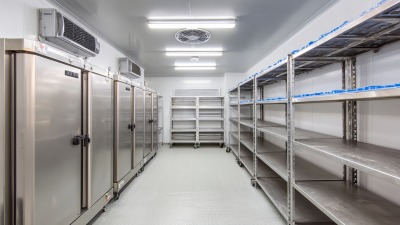
In the ever-changing world of cold storage, options like “Freezer Rooms” are more important than ever for companies around the globe. There's a real push for more efficient and dependable storage solutions these days. Companies like ColdTech and FreezePro are really stepping up to meet that demand, using advanced tech to keep temperatures just right—crucial for keeping perishable stuff fresh.
That said, not all “Freezer Room” providers are on the same level. Some might talk a big game with fancy features but don’t always deliver when things get tough. So, it’s smart to dig a little—check out customer reviews, compare specs, see what past clients have to say. That can give you a clearer picture of what you’re really getting.
Looking ahead to the top freezer room options for 2026? Keep in mind things like energy use, whether the system can grow with your needs, and what it costs to keep up and running. Picking the right one can seriously boost your operations. But don’t forget, it’s worth thinking about the whole lifespan of these systems—spending a bit more now on quality could save you a lot down the line. Bottom line? Every decision today shapes what the cold storage scene will look like tomorrow. So, choose wisely!

Overview of Freezer Room Technologies for 2026
In 2026, freezer room technology is set to evolve significantly, catering to global demands.
Advanced insulation materials
are becoming more commonplace. These materials enhance energy efficiency and maintain low temperatures.
Optimized designs can reduce footprint while maximizing storage capacity. This shift helps businesses minimize costs
and energy consumption.
Moreover, automation is transforming freezer room operations. Smart sensors can monitor temperature and humidity precisely.
They send alerts for any deviations, ensuring product safety. This real-time data empowers users to adjust settings instantly,
fostering reliability. However, the integration of these technologies can pose a challenge.
Training staff to adapt to new systems is essential yet time-consuming.
Sustainability trends are also influencing freezer room solutions. Eco-friendly refrigerants
are gaining traction, as regulations tighten. Many industries seek alternatives to traditional gases.
The transition can be difficult and requires careful planning. Overall, the landscape for freezer rooms in 2026
will demand innovation and
resilience from global buyers.
Key Features to Look for in Freezer Room Solutions
When considering freezer room solutions, key features significantly impact efficiency and reliability.
Insulation quality is crucial. Thicker insulation reduces energy consumption and stabilizes internal temperatures.
A well-insulated freezer room can mean savings over time. Additionally, the door design should allow for ease of access while maintaining a tight seal to avoid temperature fluctuations.
Another important aspect is the refrigeration system. Look for systems that use eco-friendly refrigerants. These systems often run more efficiently, reducing both costs and environmental impact.
Temperature monitoring tools are also vital. They ensure consistent conditions and alert users to any fluctuations.
Real-time data access helps in maintaining optimal storage conditions.
Moreover, consider the ease of installation and maintenance. A more complicated setup often leads to increased downtime. User-friendly maintenance procedures are essential for long-term operational efficiency.
Identifying systems that provide adequate support and documentation can ease this process. These elements create a reliable environment for sensitive products,
but the user must remain vigilant. Regular assessments and checks are needed to ensure continued compliance with necessary standards.
Top 10 Freezer Room Manufacturers in the Global Market
In the dynamic landscape of cold storage, the demand for efficient freezer room solutions is surging. According to a recent market analysis, the global cold storage market is projected to exceed $150 billion by 2026, with a significant focus on freezer room innovations. This growth is driven by the food industry, pharmaceuticals, and e-commerce sectors, which require robust cold chain logistics.
Identifying the top manufacturers is crucial for buyers. These companies excel in offering advanced freezer room technologies and are recognized for their commitment to quality and energy efficiency. Many of them integrate IoT solutions, ensuring temperature control and monitoring for optimal performance. Industry reports indicate that energy-efficient design can reduce operational costs by as much as 30%.
Moreover, the competitive landscape reveals room for improvement. Some manufacturers struggle with maintaining consistent supply chains or adapting to changing regulatory standards. Experts suggest ongoing evaluation of supplier practices to ensure reliability. Assessing the capacity for adaptation and innovation among these companies can lead to better purchasing decisions.
Sustainability Trends in Freezer Room Design
As sustainability takes center stage in freezer room design, innovations focus on energy efficiency and eco-friendly materials. In 2026, global buyers will prioritize solutions that reduce environmental impact. A sustainable freezer room uses less energy, thereby lowering operational costs. The layout should allow for optimal airflow, reducing energy consumption.
Tips for sustainable design include selecting insulation materials with high thermal resistance. Consider incorporating renewable energy sources, like solar panels. This approach not only minimizes reliance on traditional power grids but also promotes self-sufficiency.
It’s crucial to assess how equipment choices affect long-term sustainability. Some technologies may offer initial savings but become inefficient over time. A comprehensive lifecycle analysis will help identify the best long-term investment. Reflect on how your decisions influence both costs and the environment.
Innovative Insulation Techniques for Efficient Freezer Rooms
As the demand for efficient freezer rooms grows, innovative insulation techniques are critical. By 2026, the global temperature-controlled storage market is projected to reach $212 billion. Effective insulation can significantly reduce energy consumption. For example, polyurethane foam can provide higher R-values than traditional insulation. This improves energy efficiency and reduces operational costs.
Improving insulation is not just about materials. It also involves smart design techniques. Systems that offer vertical insulation can save space and improve thermal performance. In addition, reflective insulation can keep heat at bay, which is essential for maintaining optimal temperatures. Implementing these techniques can yield a potential energy saving of up to 30%. However, challenges still exist with moisture accumulation and insulation wear over time.
In practice, many facilities struggle with insulation integrity. This can lead to energy loss and increased costs. Maintenance protocols need to be refined to address these issues. Regular inspections and updates to insulation systems are necessary to ensure longevity and efficiency. These steps can create a more sustainable and cost-effective freezer room solution for businesses worldwide.
Cost Analysis of Freezer Room Solutions for Buyers
The demand for freezer room solutions is projected to grow significantly by 2026. Buyers face various costs that depend on multiple factors, including capacity, technology, and location. According to a recent industry report, the average cost of installing a commercial freezer room ranges from $50 to $100 per square foot. For larger facilities, the costs may drop slightly due to economies of scale. Proper planning is essential in determining the right size and type.
Energy efficiency is a critical component of cost analysis. A well-insulated freezer can reduce energy costs by up to 30%. Many experts recommend investing in energy-efficient refrigeration systems. However, these systems may have higher upfront costs. In that case, businesses might hesitate, weighing short-term expenses against long-term savings.
Maintenance costs should also be considered. Regular upkeep can prevent costly breakdowns, but the expenses can accumulate. It’s not uncommon for companies to overlook these ongoing costs during the initial budgeting phase. Buyers must evaluate all aspects, including installation, energy, and maintenance, to achieve a realistic understanding of the total cost. Making informed decisions requires thorough research and consideration of various options in the market.
Future Market Trends and Predictions for Freezer Rooms
The market for freezer rooms is evolving rapidly, reflecting changing consumer demands and technological advancements. According to a recent report by Research and Markets, the global freezer room market is projected to grow by 7.8% annually through 2026. This growth underscores the increasing need for efficient cold storage solutions across various sectors, including food service, pharmaceuticals, and logistics.
Future trends indicate a shift towards energy-efficient designs. Manufacturers are developing innovative insulation materials to minimize energy loss. Additionally, the integration of IoT technology allows for real-time monitoring of temperature and humidity levels. These advancements not only enhance operational efficiency but also reduce costs in the long run.
**Tip:** When considering freezer room solutions, evaluate insulation types. High-quality insulation can significantly lower energy bills.
Another noteworthy trend is the increase in demand for customizable freezer solutions. Businesses are seeking tailored options that fit their specific storage needs. Reports show that companies offering modular designs are gaining traction. Flexibility in size and configuration helps companies adapt as their operations grow.
**Tip:** Choose a supplier that offers customization. This ensures your freezer room will meet current and future needs effectively.
While the future looks promising, it's essential to remain vigilant. Not all market trends are beneficial. Over-reliance on technology might lead to vulnerabilities, such as system failures. Balancing innovation with traditional practices can provide a more stable foundation.
Top 10 Freezer Room Solutions for Global Buyers in 2026
| Solution |
Capacity (cubic meters) |
Temperature Range (°C) |
Energy Efficiency Rating |
Estimated Cost (USD) |
| Solution A |
20 |
-20 to -18 |
A+ |
5000 |
| Solution B |
30 |
-18 to -15 |
A |
7000 |
| Solution C |
25 |
-22 to -18 |
A++ |
6500 |
| Solution D |
15 |
-25 to -20 |
B |
4000 |
| Solution E |
40 |
-15 to -10 |
A+ |
8000 |
| Solution F |
35 |
-20 to -18 |
A++ |
7500 |
| Solution G |
50 |
-18 to -15 |
A |
9000 |
| Solution H |
10 |
-25 to -20 |
B |
3500 |
| Solution I |
20 |
-22 to -18 |
A+ |
5000 |
| Solution J |
30 |
-18 to -15 |
A |
7000 |
FAQS
: By 2026, advanced insulation materials will enhance energy efficiency and maintain low temperatures effectively.
Automation introduces smart sensors that monitor temperature and humidity, ensuring product safety and reliability.
Staff training on new systems is essential but can be time-consuming and challenging to implement.
Sustainability trends focus on energy efficiency and eco-friendly materials, lowering operational costs and environmental impact.
Use insulation materials with high thermal resistance and consider renewable energy sources, like solar panels.
Some technologies may provide initial savings but could become inefficient over time, necessitating careful choice.
The layout and airflow are crucial for minimizing energy consumption and maximizing efficiency.
A comprehensive lifecycle analysis helps in choosing the best long-term investments for sustainability.
Transitioning can be difficult, requiring careful planning to align with new regulations.
Reflecting on choices can influence both operational costs and environmental footprints significantly.
Conclusion
The article titled "Top 10 Freezer Room Solutions for Global Buyers in 2026" provides a comprehensive overview of the advancements and considerations in freezer room technologies expected during that year. It highlights key features that potential buyers should focus on, such as energy efficiency, space optimization, and advanced monitoring systems. Additionally, the piece discusses the top manufacturers shaping the global freezer room market, emphasizing sustainability trends that are influencing design and operational practices in the industry.
Moreover, the article delves into innovative insulation techniques aimed at enhancing efficiency, as well as a cost analysis to guide buyers in making informed decisions. Finally, it offers predictions on future market trends, making it a valuable resource for anyone looking to invest in freezer room solutions in the coming years. Through this exploration, readers gain insights into the evolving landscape of freezer room technology and its implications for global commerce.